Nintendo Switch 2: Rumors, Specs & What It Means for Retro Collectors
Published on 27 January 2026
The Nintendo Switch 2: What the Rumored Successor Means for Retro Gamers and Collectors
If there is one thing that unites the gaming community, from the pixel-purist collectors to the modern graphics enthusiasts, it is the anticipation of a new Nintendo console. For years now, the internet has been buzzing with whispers, leaks, and rampant speculation about the "Nintendo Switch 2."
As retro gaming enthusiasts here at RetroBroker, we usually have our eyes fixed firmly on the past—hunting for pristine SNES cartridges or restoring Game Boy Colors. However, Nintendo is unique in the industry. They are a company that constantly bridges the gap between gaming history and future innovation. The release of a new Nintendo system isn’t just about the new games; it is about how the company treats its legendary legacy.
So, what do the rumors surrounding the Nintendo Switch 2 mean for the retro community? Will it be a sanctuary for our physical collections, or a push toward an all-digital future? Let’s dive into what we know, what we hope for, and why the next generation of Nintendo hardware matters to retro collectors.
The Buzz: What We Think We Know
While Nintendo has remained characteristically secretive, the industry supply chain and credible leaks have painted a picture of what to expect. The consensus is that the successor will not be a radical reinvention of the wheel, but rather an evolution of the hybrid concept that changed gaming forever.
Most reports suggest a more powerful system capable of 4K output when docked, likely utilizing NVIDIA’s DLSS technology to upscale images without draining the battery. We are also expecting a larger 8-inch screen, potentially an LCD at launch to keep costs down, with OLED models following later.
But for us at RetroBroker, raw specs like teraflops and ray tracing are secondary. We care about the ecosystem. We care about preservation. And most importantly, we care about the library.
The Holy Grail: Backward Compatibility
The single biggest question on every collector’s mind is backward compatibility.
In the past, Nintendo has arguably been the best in the business at this. The Game Boy Advance played Game Boy games; the DS played GBA games; the Wii played GameCube discs; the Wii U played Wii discs. However, the Switch broke this chain, largely because it moved from discs (Wii U) back to cartridges.
With the Switch 2, the rumor mill strongly suggests that backward compatibility is a priority. Nintendo executives have hinted at a desire to make a smooth transition for the massive install base of over 140 million current Switch owners.
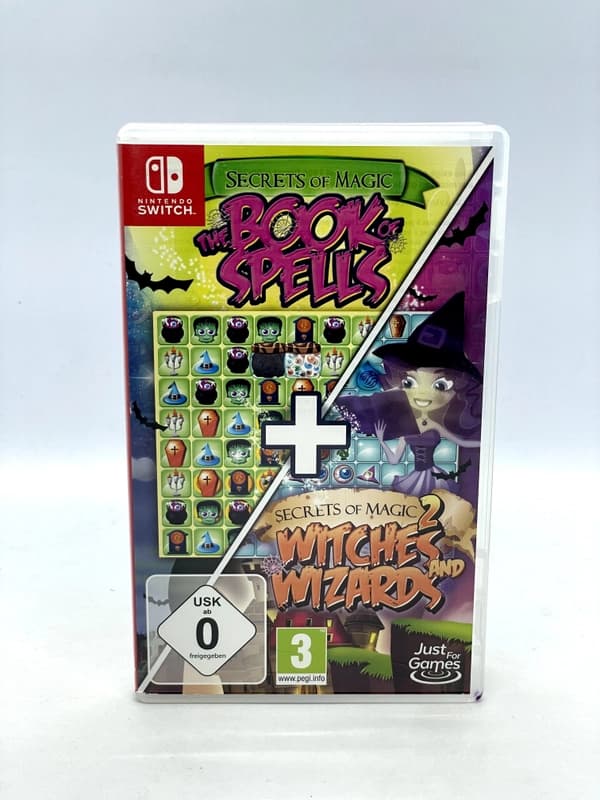
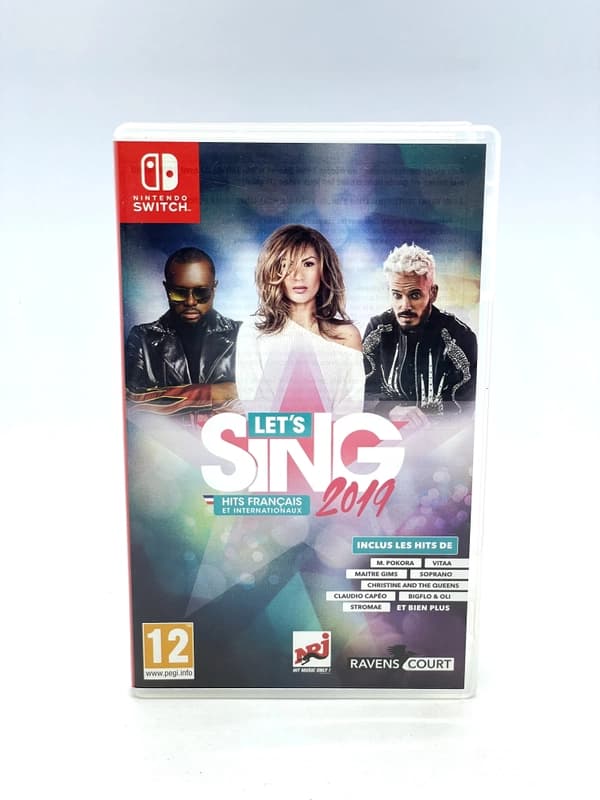
For retro gamers and physical media collectors, full backward compatibility is non-negotiable. It means that the library you have curated over the last seven years—including those limited run physical prints of indie retro throwbacks and compilation packs—will travel with you. It transforms the Switch 2 from a brand-new start into an ultimate Nintendo library machine.
Physical Media: The Cartridge Lives On
In an era where Xbox and PlayStation are pushing hard toward a digital-only future, Nintendo remains the last bastion of mainstream physical media. There is something tactile and satisfying about owning a game—putting a cartridge into a slot, looking at the box art, and knowing that you own the software, not just a license to it.
The expectation is that the Switch 2 will continue to use game cards. Some rumors suggest a new card format with higher capacity for modern 4K textures, but with a slot design that can still accept original Switch cartridges.
If Nintendo commits to physical media for another generation, it ensures that the "retro" market of the future remains healthy. Physical games can be traded, sold, collected, and preserved. A digital-only future is a nightmare for preservationists, as delisted games disappear into the void. A Switch 2 with a cartridge slot is a win for the culture of collecting.
Explore products
Explore more products from our catalogue.
The "Nintendo Switch Online" Expansion: A New Home for GameCube?
One of the main ways modern gamers experience retro titles is through the Nintendo Switch Online (NSO) service. Currently, subscribers have access to NES, SNES, N64, Sega Genesis, and Game Boy libraries. It is a fantastic, albeit rental-based, way to experience history.
With the increased power of the Switch 2, the door swings wide open for more demanding emulation. The most requested addition? The Nintendo GameCube.
The GameCube is currently having a massive resurgence in the retro collecting market. Prices for titles like Super Smash Bros. Melee, Metroid Prime, and Fire Emblem: Path of Radiance have skyrocketed. A Switch 2 capable of perfectly emulating the GameCube (and perhaps the Wii) would bring these masterpieces to a new audience.
While we always prefer playing on original hardware here at RetroBroker, having accessible, legal ways to play these games on modern portable screens helps keep the franchises alive and creates new generations of retro fans.
Why the Original Switch (and Older Hardware) Will Not Die
When the Switch 2 launches, does the original Switch immediately become "retro"? In a way, yes. And that is a good thing.
Historically, when a new console generation launches, the prices of the previous generation's hardware and software soften temporarily before climbing back up as nostalgia sets in ten years later. This transition period is often the "golden hour" for collectors.
Furthermore, the existence of a Switch 2 doesn't negate the magic of true retro hardware. Playing Super Mario World on a Switch OLED is beautiful, but it doesn't replicate the feeling of holding a grey SNES controller, hearing the "clunk" of the power switch, and seeing the scanlines on a CRT TV.
Authenticity is the currency of the retro world. No matter how powerful the Switch 2 is, it will never replace the Game Boy DMG in your pocket or the N64 hooked up to the TV in the spare room. New hardware offers convenience, but old hardware offers an experience.
The Upscaling of Retro-Inspired Indies
We cannot talk about the Switch without mentioning its status as the premier home for indie games. The last decade has seen a boom in "modern retro" games—titles like Shovel Knight, Sea of Stars, The Messenger, and Stardew Valley that utilize pixel art and old-school mechanics.
A Switch 2 with a better screen and more ergonomic controllers will likely become the best place to play these titles. The "retro" genre is no longer just about old games; it is a thriving aesthetic style that continues to grow. The Switch successor will undoubtedly continue to be the engine that drives this neo-retro renaissance.