PS3 Emulation vs. Real Hardware: Why Original PlayStation 3 Wins
Published on 6 February 2025
Title: Rose-Tinted ROMs? Why Emulation Can't Beat the Real PS3 Experience
Introduction:
The PlayStation 3. A console that brought us stunning HD graphics, groundbreaking online play with the PlayStation Network, and a library of unforgettable titles like The Last of Us, Uncharted 2, and Metal Gear Solid 4. While the allure of revisiting these classics through emulation on a PC or other device might seem tempting, the truth is, the experience often falls far short of playing on original hardware. At RetroBroker.com, we're passionate about preserving the authentic joy of retro gaming, and we believe the PS3 is best enjoyed the way it was intended. Let's dive into why.
1. The Unseen Enemy: Input Lag
One of the biggest, and often most frustrating, differences between emulation and the real PS3 is input lag. This is the delay between when you press a button on your controller and when the action happens on screen. While modern PCs are powerful, the complex process of emulating a console like the PS3 adds inherent latency.
-
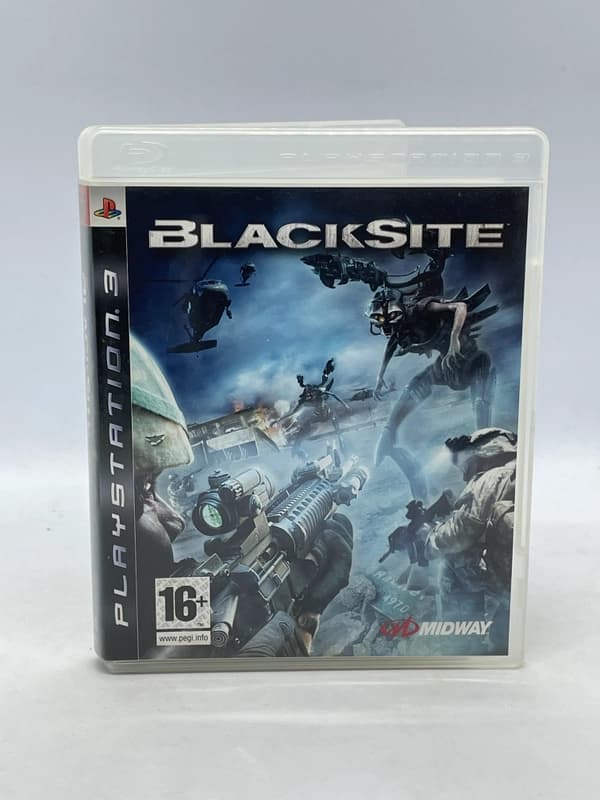
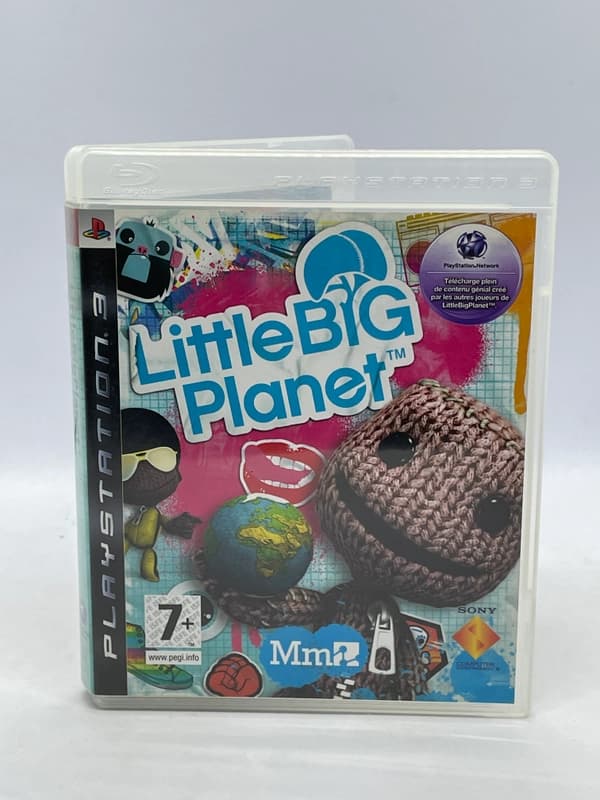
Why it Matters: For many PS3 games, precise timing is crucial. Think about the quick-time events in God of War III, the tight platforming in LittleBigPlanet, or the split-second reactions needed in fighting games like Street Fighter IV. Even a small amount of input lag can make these games feel unresponsive, frustrating, and significantly less enjoyable.
-
The PS3 Advantage: The PS3 was designed from the ground up to minimize input lag. The hardware and software were perfectly synchronized to provide a near-instantaneous response to your button presses.
2. A Feast for the Senses (Lost in Translation)
The PS3 was a visual powerhouse for its time, and many games still hold up remarkably well today. Emulators, however, can struggle to accurately reproduce the console's unique graphical capabilities.
-
Graphical Glitches and Inaccuracies: You might encounter texture issues, flickering, incorrect colors, or other visual anomalies when emulating. The PS3's Cell processor was a complex piece of hardware, and perfectly replicating its rendering pipeline is a challenge.
-
Audio Imperfections: The PS3's audio capabilities were also impressive, with support for high-quality surround sound. Emulators can sometimes produce audio that is compressed, distorted, or simply doesn't match the original console's output. This diminishes the immersive soundscapes of games like Journey or the bombastic soundtracks of titles like Resistance: Fall of Man.
Explore products
Explore more products from our catalogue.
3. The Online Ghost Town (and Other Missing Features)
One of the PS3's defining features was the PlayStation Network (PSN). While some online services are still partially functional on original hardware, emulating the PSN experience is often impossible or severely limited.
-
No (Reliable) Online Multiplayer: Playing Call of Duty: Black Ops or Gran Turismo 5 online with friends was a core part of the PS3 experience. Emulators generally can't replicate this, leaving you with a solitary experience.
-
Missing Features: Beyond online play, emulators might lack support for other PS3 features, such as downloadable content (DLC), trophies, and even the ability to properly use the Sixaxis/DualShock 3 controller's motion controls.
4. The Controller Conundrum: Feeling the Difference
Speaking of controllers, the DualShock 3 was a marvel of its time, offering precise analog sticks, responsive buttons, and innovative motion sensing. While you can connect various controllers to a PC for emulation, the experience is rarely the same.
-
The Authentic Feel: The weight, button feel, and overall ergonomics of the DualShock 3 were carefully designed to complement the PS3's games. Using a generic controller can feel clunky and less immersive.
-
Motion Control Woes: Many PS3 games utilized the Sixaxis and DualShock 3's motion control capabilities. Accurately emulating this functionality is difficult, often resulting in awkward or unreliable controls.
5. The Hidden Costs of "Free"
While emulators themselves are often free, the overall cost of a truly comparable emulation experience can be surprisingly high.
- Powerful PC Required: To run PS3 games smoothly at higher resolutions, you'll need a very powerful (and potentially expensive) gaming PC.
- Controller Adapters and Setup: Getting your preferred controller to work correctly with an emulator can require additional hardware and time-consuming configuration.