Switch 2 Backward Compatibility: Will Your Switch 1 Games Work?
Published on 11 August 2025
The Million-Dollar Question: Are Switch 1 Games Compatible on the Switch 2?
The air is thick with anticipation. Whispers in the digital corridors and leaks from shadowy sources all point to one thing: a successor to the monumentally successful Nintendo Switch is on the horizon. While specs, release dates, and launch titles are all topics of fervent debate, one question stands above all others, especially for the millions of us with shelves groaning under the weight of Switch cartridges: Will our beloved Switch games work on the "Switch 2"?
Here at Retro Broker, we live and breathe video game history and preservation. The question of backward compatibility isn't just a technical curiosity; it's a matter of heart, soul, and the value of our collections. So, let's dive deep into the evidence, the history, and the logical conclusions to answer this critical question.
The Short Answer: All Signs Point to Yes
Let's cut right to the chase for those who can't wait: While Nintendo has not yet officially unveiled the console with a spec sheet and a feature list, every credible rumor, industry analyst report, and even Nintendo's own statements strongly suggest that the Switch 2 will be backward compatible with original Switch games.
In a shareholder Q&A, Nintendo's own President, Shuntaro Furukawa, has emphasized the importance of a "smooth transition" for the massive user base of over 140 million Switch owners. He has repeatedly mentioned the importance of the Nintendo Account system as the bridge between hardware generations. This isn't just corporate speak; it's a clear signal that they have no intention of leaving their enormous, dedicated fanbase behind.
Why Backward Compatibility is a No-Brainer for Nintendo
Abandoning a library of over 5,000 games and a user base larger than the population of most countries would be commercial suicide. Here’s why backward compatibility isn't just a feature, but a necessity.
The Massive, Invested User Base
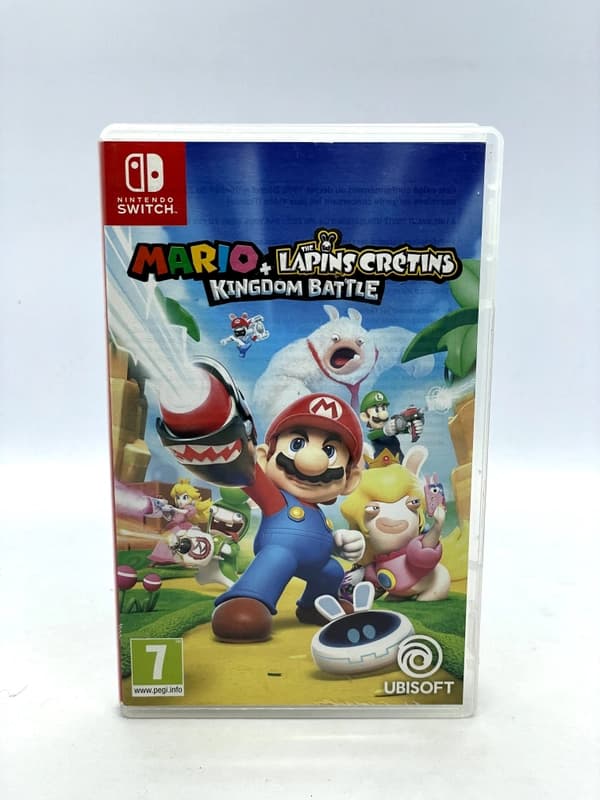
The Nintendo Switch isn't just a console; it's an ecosystem. Players have spent years and hundreds, if not thousands, of dollars building their physical and digital libraries. Imagine the outrage if Nintendo suddenly declared that The Legend of Zelda: Tears of the Kingdom, Super Mario Odyssey, and your entire collection of indie darlings were suddenly stranded on old hardware. A smooth transition ensures that players can upgrade to the new console without feeling like their previous investment has been erased.
The Digital Revolution and the Nintendo Account
Unlike past console generations, the digital storefront is paramount. Your Nintendo Account is the key to your digital purchases. It would be a technical and logistical nightmare, not to mention a PR disaster, to invalidate those purchases. The model used by PlayStation and Xbox is the clear path forward: log in with your account on the new machine, and your library of compatible games is ready to download.
A Seamless Launch
A new console launch is always risky. Having a library of thousands of beloved, proven games available from day one is the ultimate safety net. It means new adopters have an instant collection, bridging the gap between launch titles and the next wave of major releases. It encourages an early upgrade, as players know they won't be sitting with a shiny new box and only two games to play.
Explore products
Explore more products from our catalogue.
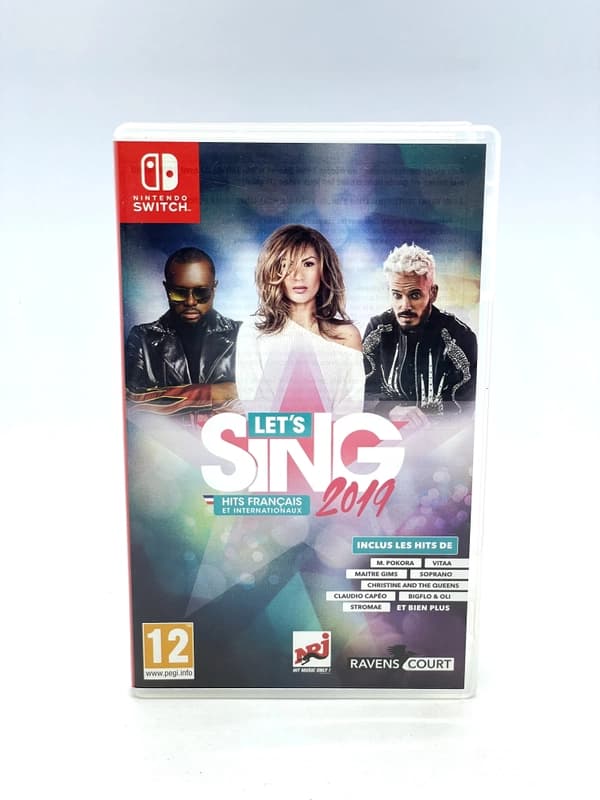
A Quick Look at Nintendo's Compatibility History
To understand the future, we must look to the past. Nintendo has a strong, albeit not perfect, track record with backward compatibility.
- Wii U played Wii games: The Wii U was fully backward compatible with Wii games and even its accessories, like the Wiimote.
- 3DS played DS games: The Nintendo 3DS family could play the vast majority of original Nintendo DS cartridges.
- Game Boy Advance played Game Boy games: The GBA had the hardware built-in to play both original Game Boy and Game Boy Color cartridges.
The major break in this chain was the Switch itself, which couldn't play Wii U or 3DS games. However, there was a clear technical reason: the Switch moved away from the dual-screen setup of its predecessors and abandoned optical disc media. The leap from the Switch to its successor is rumored to be an architectural evolution, not a complete revolution, making compatibility far more feasible.
How Would It Work? Physical vs. Digital
So, how would this actually function? It likely breaks down into two categories.
Physical Game Cartridges
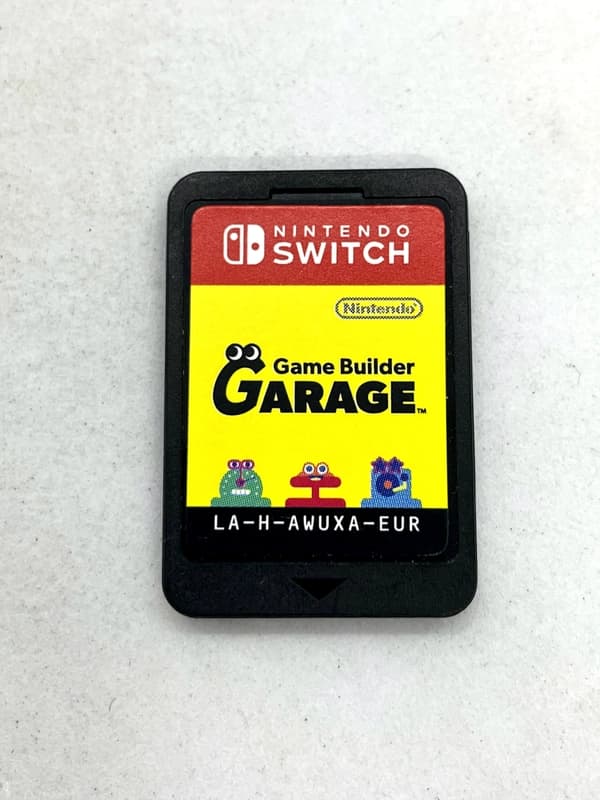
The most straightforward solution, and the one most important to collectors, is a cartridge slot that accepts original Switch game cards. Given that the Switch 2 is widely expected to retain the hybrid, portable nature of the original, keeping the same physical media format makes perfect sense. You would simply pop your Mario Kart 8 Deluxe cartridge into the new console and start playing.
Digital Games and Your eShop Library
This is where your Nintendo Account is king. Upon setting up your new Switch 2, you would sign in with the same Nintendo Account you use on your current Switch. The system would then recognize your previous purchases, allowing you to re-download any digital games you own directly from the eShop onto the new, more powerful hardware.
The Exciting Prospect: Enhanced Performance
Backward compatibility on the Switch 2 might not just mean playing your old games; it could mean playing them better. More powerful hardware could unlock a world of potential improvements for the existing Switch library, such as:
- Imagine games that were locked to 720p or 900p suddenly running at a crisp 1080p or even higher when docked.