CIB vs Loose vs Sealed: Retro Game Condition Terms Explained
Published on 14 October 2026
Scrolling through European online marketplaces for older video games often feels like reading code: listings are packed with acronyms like CIB, CB, Loose, and NIB, often accompanied by wildly different price tags for the exact same title. Understanding the cib meaning games collectors use—and how it contrasts with loose or factory-sealed copies—is the single best way to avoid overpaying or accidentally buying modern reproductions. By the end of this guide, you will know exactly how to decode retro game collecting acronyms, verify matching PAL region codes across boxes and manuals, and spot the telltale signs of fake packaging.
The Core Condition Tiers: Loose, Boxed, CIB, and Sealed
Before spending money on older hardware or software, you need to know what is actually included in the sale. The retro gaming market divides condition and completeness into four primary tiers.
- Loose: This means you are receiving the game cartridge or optical disc by itself, with no original packaging or instruction booklet. For robust plastic cartridges like the Nintendo Entertainment System (NES), Super Nintendo (SNES), or Nintendo 64 (N64), buying loose is a safe, cost-effective way to build a library. However, buying loose optical media—such as PlayStation 1, Sega Saturn, or Dreamcast discs—carries a much higher risk of surface scratches and data rot due to the lack of protective housing.
- Boxed (or CB): Standing for Cartridge/Disc + Box, this tier sits neatly in the middle of the boxed vs cib debate. You get the game and its original retail case or cardboard outer box, plus the internal cartridge tray, but the instruction manual is missing. This is extremely common with PAL Sega Mega Drive and Master System games, where the durable plastic clamshell survived for decades even after the paper manual was lost.
- CIB (Complete in Box): When newcomers ask what does cib mean in gaming, the standard answer is the "big three": the authentic game, the original box, and the original instruction manual. However, experienced collectors divide this further into Standard CIB (game, box, manual, and inner tray) and True CIB (every single piece of paper that left the factory, including warranty cards, publisher catalogues, health warning sheets, and posters).
- Sealed / NIB (New in Box): The game remains in its original factory shrink-wrap or retains its unbroken factory security seal. While "New" implies pristine condition, it is a misleading term for 30-year-old electronics. Inside a factory-sealed SNES or Game Boy box, the internal CR2032 or CR1616 save battery on the cartridge board is likely completely drained, and in worst-case scenarios, may have begun leaking corrosive acid onto the circuit board.
| Acronym | Full Term | Included Components | Typical Target Audience | Risk of Fakes / Scams |
|---|---|---|---|---|
| Loose | Loose Game | Cartridge or optical disc only (sometimes includes a generic dust sleeve). | Players focused purely on gameplay on original hardware; budget buyers. | Low to Moderate (mostly limited to high-value SNES/GBA counterfeit cartridges). |
| CB | Boxed / Cart + Box | Game and original retail box (with inner tray), no manual. | Shelf collectors on a budget; Sega 8-bit and 16-bit enthusiasts. | Moderate (buyers must watch out for reproduction cardboard boxes). |
| CIB | Complete in Box | Game, original retail box, inner tray, and original instruction manual (plus critical maps/inserts for True CIB). | Dedicated collectors who want the full historical artefact and preservation value. | High (fakes include repro boxes, laser-printed manuals, and mismatched regional parts). |
| NIB / Sealed | New in Box / Factory Sealed | Unopened retail box with intact factory cellophane, tear-strip, or security sticker. | High-end display collectors and speculators who do not intend to open or play the game. | Very High (heat-gun reseals and counterfeit tear-strips are common). |
The PAL Factor: Matching Region Codes for True Completeness
If you are looking into the cib meaning games sellers advertise in Europe, you have to contend with a challenge that North American collectors rarely face: regional fragmentation. Because PAL territories encompass dozens of countries and languages, publishers printed localised boxes and manuals for specific sub-regions while often using the same cartridge or disc inside.
This has created a plague of "Frankenstein" CIBs on European marketplaces. A seller might take a cheap German or French cardboard box, pair it with an English-language manual, drop a pan-European cartridge inside, and list the bundle as a complete UK release. To verify a genuine, matching copy, you must inspect the alphanumeric region codes printed across all three components.
Nintendo PAL Region Codes
On NES, SNES, N64, Game Boy, and GameCube releases, Nintendo used a three-letter suffix at the end of the product code (for example, SNSP-006-UKV). You will find this code on the cartridge label, the manual cover, and one of the top or side flaps of the cardboard box. The most common codes include:
- -UKV: United Kingdom (English box and manual).
- -NOE: Nintendo of Europe, specifically targeting Germany (German text on box and manual).
- -FAH: France and Holland (French and Dutch text).
- -FRA: France (French text only).
- -ESP / -ITA: Spain and Italy respectively.
- -EUR / -SCN: Pan-European or Scandinavian releases, which frequently use multi-language packaging.
For a game to be truly CIB—and hold its proper collector value—the suffix on the cartridge, box flap, and manual must match, or follow the exact documented factory combination for that specific release.
Sony PlayStation SLES and SCES Codes
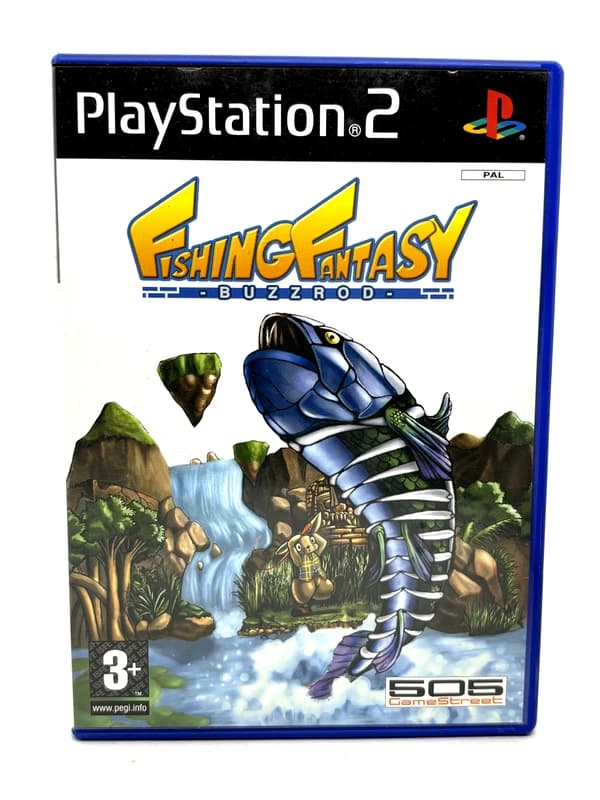
Sony took a similar approach during the PlayStation 1 and PlayStation 2 eras, using SCES (Sony Computer Entertainment Europe, for first-party games) and SLES (for third-party licensed games) followed by a five-digit number.
When inspecting a PAL PS1 or PS2 game, check the five-digit number on the spine of the case, the back cover of the manual, and the outer edge of the disc art. Furthermore, many PAL games used thick, multi-language manuals covering English, French, German, Spanish, and Italian in one heavy booklet. In cardboard-box consoles like the N64 or GBA, the sheer weight of these thick multi-language manuals often caused the thin outer boxes to bulge or warp over time—a quirk that is actually a good indicator of original European stock.
Cardboard vs. Plastic: How Packaging Dictates What to Buy
When weighing up cib vs loose purchases, the physical material used by the console manufacturer dictates both survival rates and modern prices.
Sega understood durability early on. For the Master System and Mega Drive, Sega utilised tough polypropylene clamshell cases with a clear plastic outer sleeve holding the artwork, and internal clips for the manual. Because these cases doubled as permanent storage, children and parents kept them. Today, finding CIB Mega Drive games is relatively easy, and the price premium over a loose cartridge is usually modest.
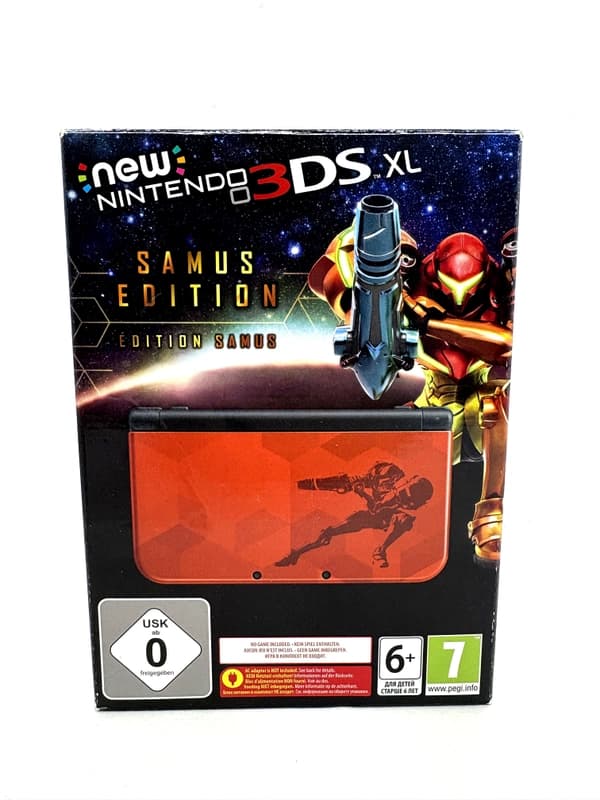
Nintendo took the opposite route throughout the 1980s and 1990s. NES, SNES, N64, and the entire Game Boy line were sold in thin cardboard boxes. Most families treated this cardboard as disposable packaging, throwing the box and manual straight into the bin on Christmas morning and storing the tough plastic cartridges loose in a drawer. Consequently, surviving cardboard is scarce. A CIB SNES or N64 game frequently commands three to five times the price of the loose cartridge, meaning you are often paying more for the folded cardboard than the game itself.
The Fragility of PAL Optical Cases
While optical discs always came in plastic cases, European collectors face unique structural headaches with fifth- and sixth-generation consoles:
- PAL PlayStation 1: Unlike the standard thin CD jewel cases used in North America, PAL PS1 games used bespoke, double-thick plastic cases to accommodate those massive multi-language manuals. The brittle clear plastic cracks easily when dropped, and the internal disc-holding teeth snap off.
- PAL Sega Dreamcast: European Dreamcast games are housed in striking blue cases that are notoriously fragile. The small plastic hinges on the lid snap under minimal pressure.
Because these cases were custom-moulded in the late 1990s, you cannot simply buy brand-new, identical replacements from an office supply store. Cracked cases significantly lower the value of a CIB game, leaving collectors to buy cheap, unwanted football or racing games purely to harvest their unbroken original shells.
Explore products
Explore more products from our catalogue.
Don't Forget the Inner Tray
A cardboard box is not structurally complete without its inner tray. If you buy a CIB SNES or N64 game and it rattles violently when shaken, it is missing the internal cardboard insert that holds the cartridge in place. Similarly, original Game Boy games require either a formed clear plastic tray or a cardboard insert, while PAL NES boxes should include a small rectangle of white styrofoam at the bottom of the box to prop the cartridge up to the correct height, alongside a plastic dust sleeve.
Beyond the Manual: When 'Complete' Requires Extra Hardware or Inserts
Sometimes, having the game, box, and manual still leaves you short of a complete package. Certain genres and special editions shipped with crucial complete in box inserts or hardware accessories that are mandatory either to play the game properly or to satisfy collector standards.
Role-playing games and strategy titles are the primary culprits. A PAL copy of Secret of Mana on the SNES or Chrono Trigger on the Nintendo DS is not considered truly complete by serious collectors without its original fold-out world map/poster. Likewise, early Rockstar Games releases—such as the Grand Theft Auto series on PS1, PS2, and PSP—Always shipped with a fold-out city map that doubled as a poster; without it, navigating the game world is difficult and the package is incomplete.
PAL Big Box Releases and Paper Inserts
Europe received several memorable "Big Box" releases during the 16-bit and 64-bit eras. Titles like Super Metroid, Illusion of Time, and Terranigma were sold in oversized cardboard boxes that contained a full-size, multi-page official players' guide instead of a standard small manual. On the N64, Lylat Wars (Star Fox 64) and Pokémon Stadium came in large outer boxes containing internal cardboard spacers to hold the included Rumble Pak or Transfer Pak accessories.
Finally, if you are hunting for "True CIB" status on European Nintendo systems, look out for these standard pack-in sheets:
- Black Consumer Information and Precautions Booklets: Standard across SNES, N64, and Game Boy.
- Epilepsy Warning Sheets: Multi-language white leaflets added to almost all PAL games from the mid-1990s onward.
- Nintendo VIP 24:7 / Club Nintendo Cards: Famous during the GameCube, GBA, and DS eras, featuring a silver scratch-off panel revealing a pin code.