PAL vs NTSC-U vs NTSC-J: Understanding Video Game Region Codes
Published on 2/24/2024
PAL vs NTSC-U vs NTSC-J: Understanding Video Game Region Codes
Are you an avid gamer who loves to explore titles from around the world? Or perhaps you're a collector looking to expand your library with classics from different regions? Understanding video game region codes is essential for anyone diving into the world of retro gaming. In this guide, we'll unravel the mysteries behind PAL, NTSC-U, and NTSC-J, helping you navigate through the diverse landscape of gaming regions.
What are PAL, NTSC-U, and NTSC-J?
PAL (Phase Alternating Line), NTSC-U (National Television System Committee - United States), and NTSC-J (Japan) are the primary video encoding systems used in different parts of the world. These systems dictate various aspects of video signals, including resolution, frame rate, and color encoding. Each region has its own unique characteristics, which directly impact the compatibility of video games and consoles.
PAL (Phase Alternating Line)
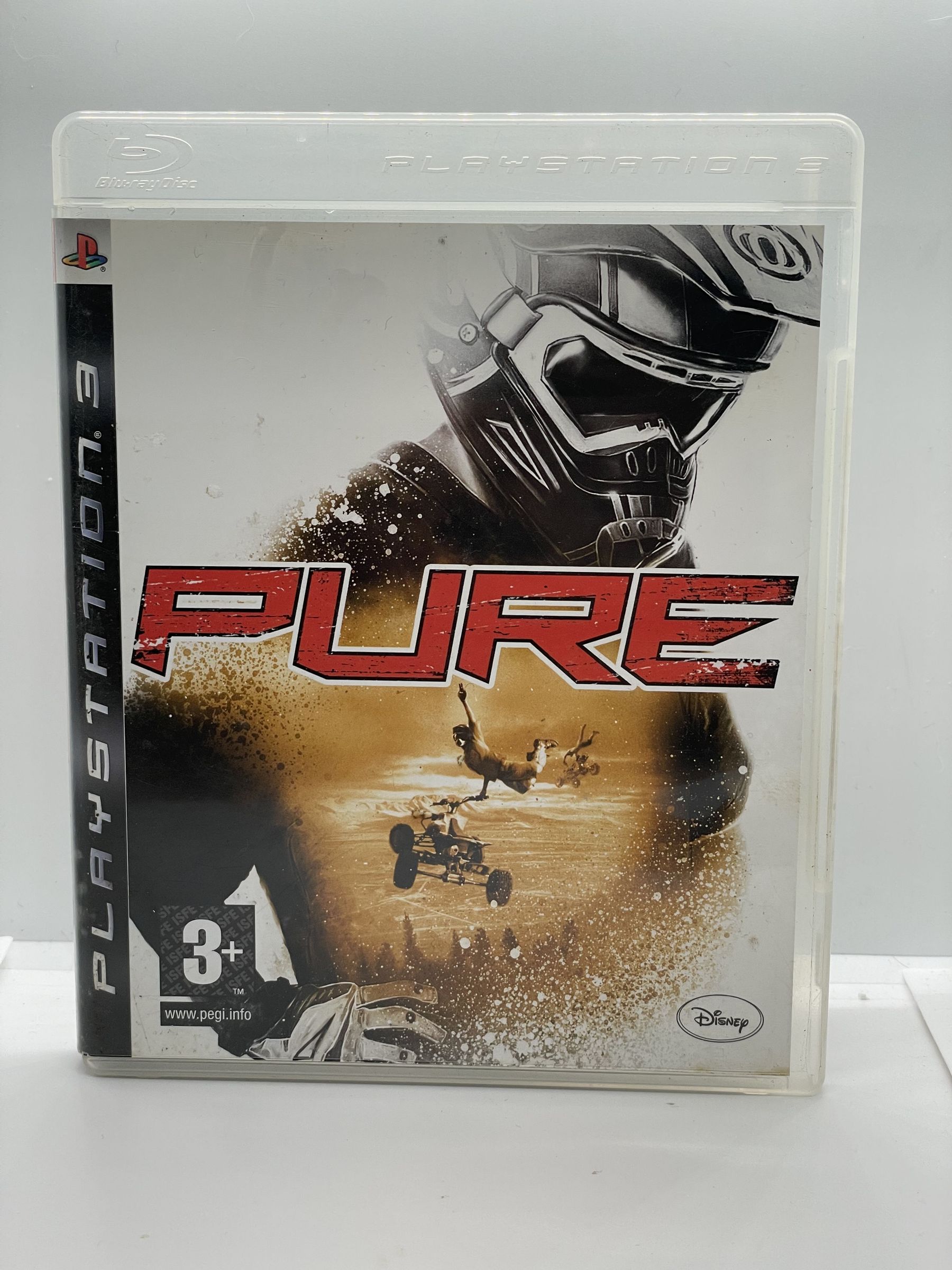
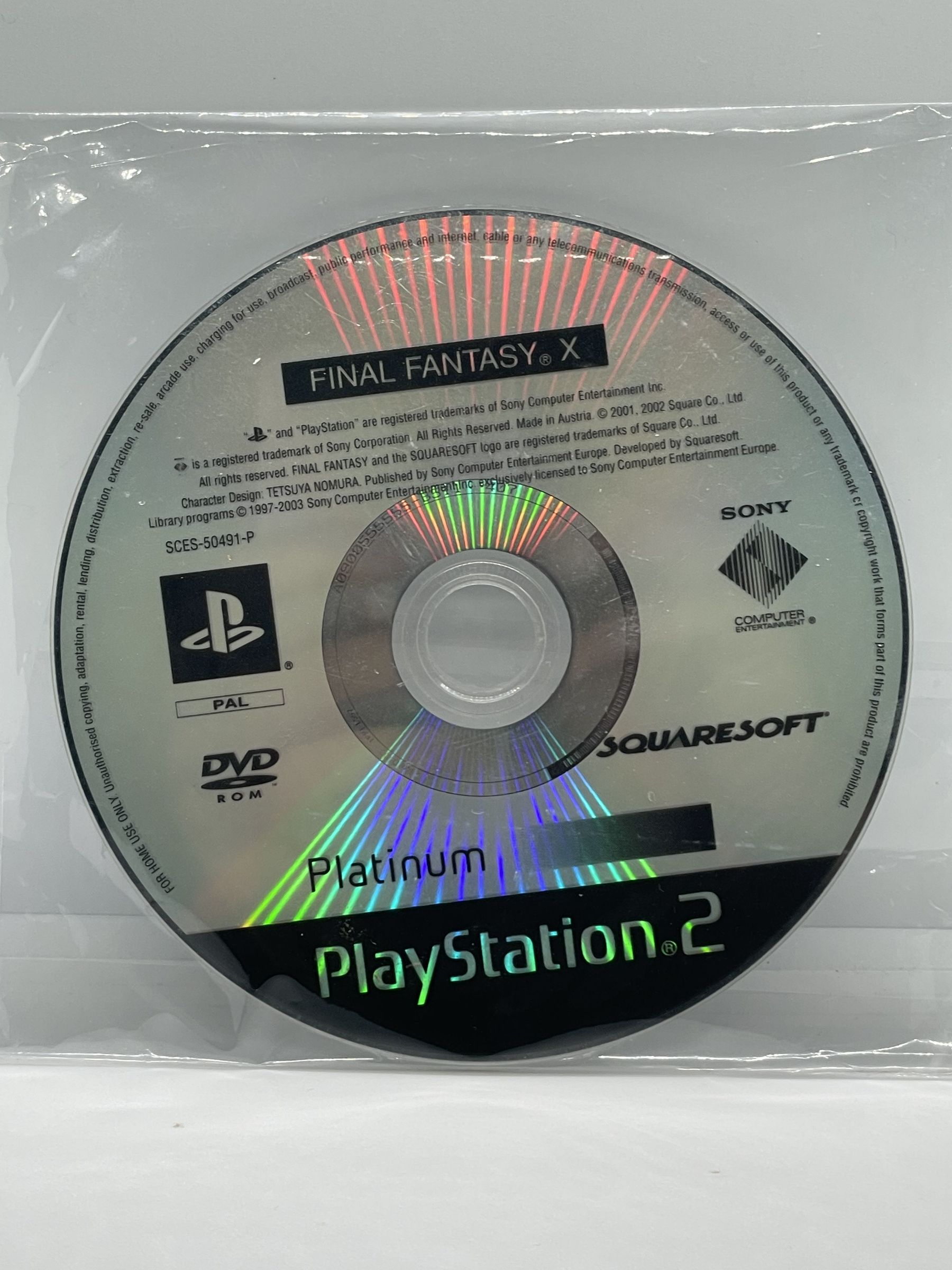
PAL is predominantly used in Europe, Australia, parts of Asia, Africa, and South America. One of the defining features of PAL is its 50 Hz frame rate, resulting in smoother motion compared to NTSC. PAL consoles and games are designed to work within this frame rate standard, which can affect gameplay speed and performance. Additionally, PAL regions often use the PAL-I standard for television broadcasts, which may differ slightly from PAL-B/G used in other regions.
Shop the gear from this story
Hand-matched to what you’re reading — tested, and covered by our warranty.
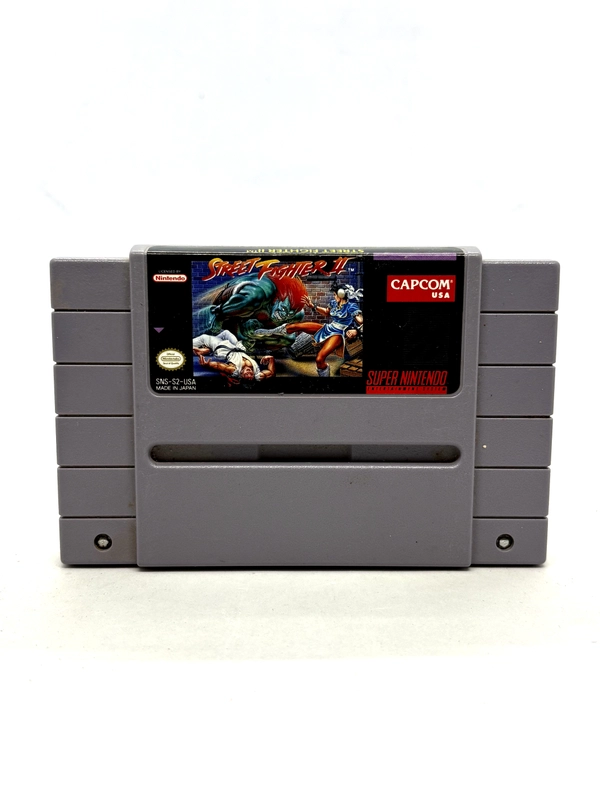
NTSC-U (National Television System Committee - United States)
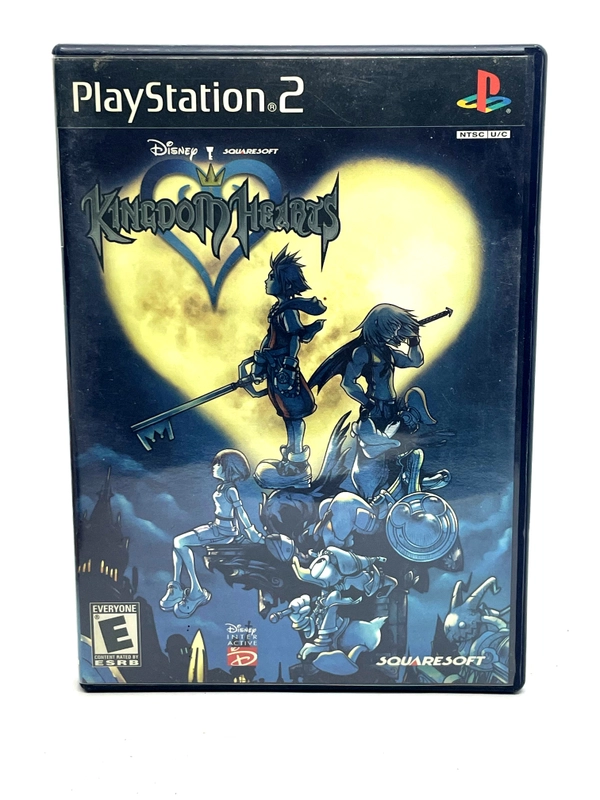
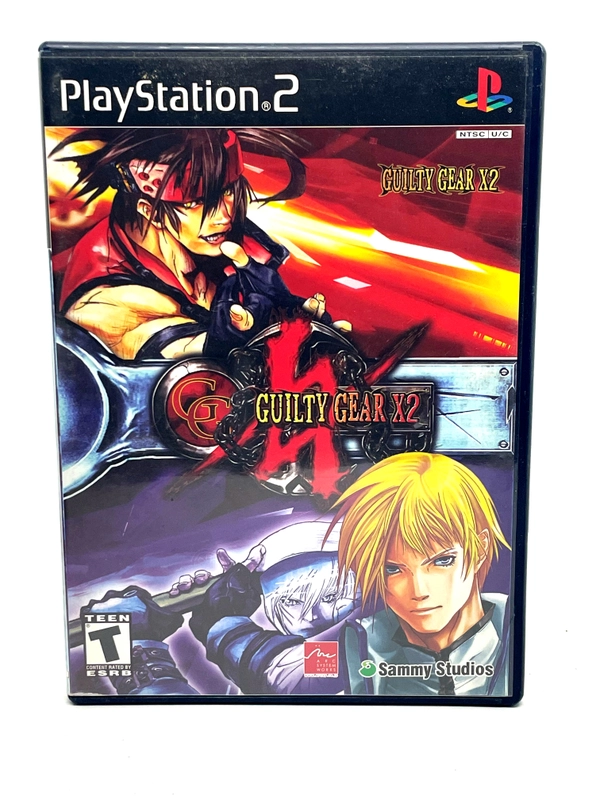
NTSC-U is the video encoding system used in North America and some parts of South America and Asia. Unlike PAL, NTSC operates at a 60 Hz frame rate, which can lead to slightly faster gameplay compared to PAL. NTSC-U consoles and games are optimized for this frame rate, ensuring compatibility and consistent performance across the region. It's important to note that NTSC-U is not exclusive to the United States but encompasses the entire NTSC standard regionally referred to as NTSC-U/C.
NTSC-J (Japan)
NTSC-J is primarily used in Japan, although it is also prevalent in some other Asian countries. Similar to NTSC-U, NTSC-J operates at a 60 Hz frame rate, providing smoother motion and faster gameplay compared to PAL. However, NTSC-J consoles and games may feature region-specific content, language options, or even censorship compared to their NTSC-U counterparts.
Compatibility and Region Locking
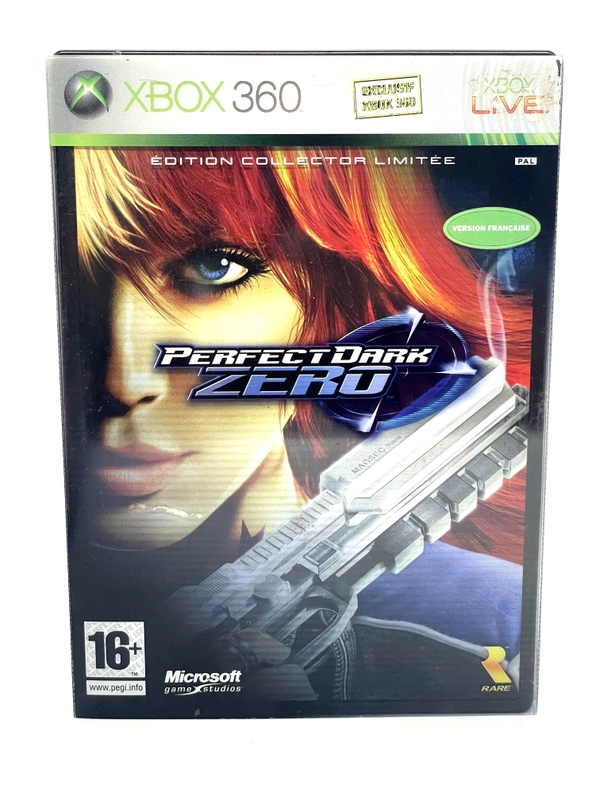
One of the significant considerations when dealing with different video game regions is compatibility and region locking. Consoles are often designed to be region-locked, meaning they can only play games specifically designed for their respective regions. For example, a PAL console may not be able to play NTSC-U or NTSC-J games without modification or additional hardware.
Conclusion
Understanding the differences between PAL, NTSC-U, and NTSC-J is crucial for anyone interested in exploring the diverse world of retro gaming. Whether you're collecting vintage consoles, hunting for rare titles, or simply looking to expand your gaming horizons, knowing the intricacies of video game region codes will help you make informed decisions and avoid compatibility issues.
At RetroBroker, we're passionate about preserving the heritage of gaming and connecting enthusiasts with their favorite classics from around the globe. Whether you're searching for PAL exclusives, NTSC-U gems, or NTSC-J rarities, we've got you covered. Explore our extensive collection today and embark on a nostalgic journey through gaming history!
Keep the collection going
More retro finds picked to match this article.
Keep reading
More stories from the Retrobroker blog.
Unlocking Nostalgia: How to Start Your Own Retro Gaming Collection
Discover the joy of retro gaming collection. Tips for beginners. Nostalgic journey through gaming history. Start your adventure today!
The Top 10 Most Influential PS1 Games of All Time: A Retrospective
Relive gaming's golden age with RetroBroker's blog post: Top 10 Most Influential PS1 Games. From Final Fantasy VII to Crash Bandicoot, nostalgia awaits!
Awaiting New Challengers
Join The Bounty Board
Get exclusive first access to rare restocks, graded drops, and secret discount codes before anyone else.