Which Console Has the Best Retro Library for PAL Collectors?
Published on 8/26/2026
Which Console Has the Best Retro Library for PAL Collectors?
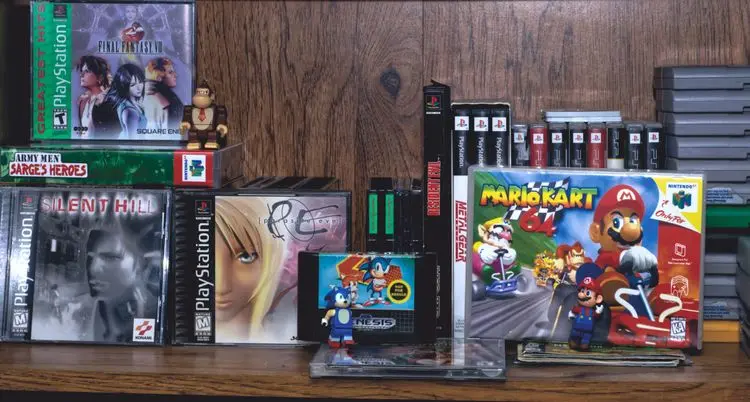
Deciding which system offers the best retro console library often comes down to regional quirks, hardware reliability, and your tolerance for fragile packaging. For European gamers, the reality of 50Hz slowdowns, missing localisations, and varying case durabilities heavily influences which hardware holds up best today. This guide breaks down the major contenders to help you choose the best retro console to collect based on game quality, PAL optimisation, and market accessibility.
The Super Nintendo (SNES): The Heavyweight of 16-Bit RPGs and Platformers
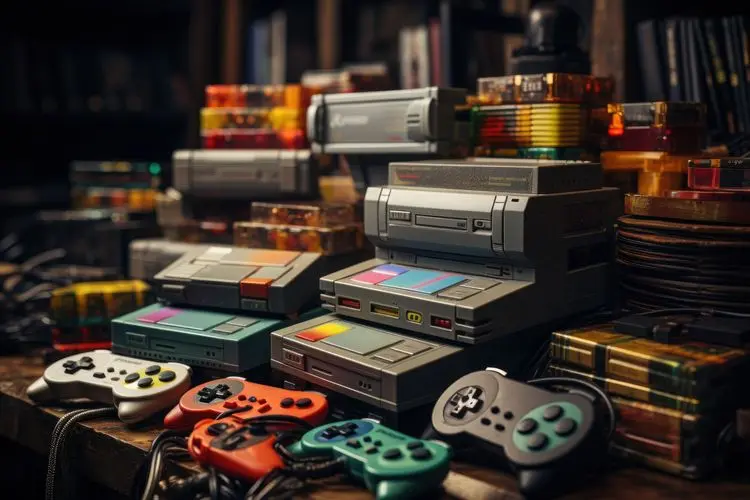
The Super Nintendo Entertainment System (SNES) is widely considered the peak of 2D pixel art, driven by an unstoppable run of first-party Nintendo titles and Squaresoft masterpieces. The system is defined by genre-defining platformers like Super Mario World and Donkey Kong Country, which pushed the hardware to its absolute limits. However, evaluating the SNES library in Europe requires a significant caveat regarding missing genres.
While the console is famous for Super Nintendo RPGs, European players were left in the dark during the 1990s. Heavyweights like Chrono Trigger, EarthBound, and Final Fantasy VI never received an official PAL release. Furthermore, retro game region locking means standard European SNES consoles (model SNSP-001) cannot physically fit or boot NTSC cartridges. To experience these games on original hardware, serious collectors must install a 60Hz switch and a Super CIC chip, or rely on a high-quality passthrough adapter.
Condition is another major hurdle for the SNES library. Nintendo opted for cardboard packaging, making CIB retro games (Complete In Box) incredibly fragile, expensive, and difficult to find in pristine shape. Most collectors opt for loose cartridges, which are far more affordable. When buying loose, you must watch out for severe plastic yellowing—a chemical reaction caused by the bromine flame retardants in the ABS plastic of both the console shells and the game cartridges.
Sega Mega Drive: Arcade Ports, Blast Processing, and Plastic Cases
Sega took a distinctly different approach to packaging and marketing, which makes the Mega Drive a joy to collect for today. Unlike Nintendo’s fragile cardboard boxes, Sega utilised hard plastic clamshell cases for the vast majority of its releases. These cases are highly durable, meaning you can easily build a shelf full of mint-condition CIB retro games without paying the exorbitant premiums associated with 16-bit Nintendo titles.
The system itself houses one of the most aggressive and arcade-focused catalogues in gaming history. The library is packed with fantastic shoot-'em-ups like Thunder Force IV, fast-paced sports titles, and incredible Mega Drive exclusives such as Streets of Rage 2 and Gunstar Heroes. The Motorola 68000 processor allowed for fast, on-screen sprite manipulation, giving birth to Sega's infamous "Blast Processing" marketing campaign and the lightning-fast gameplay of Sonic the Hedgehog.
However, the European Mega Drive experience is heavily marred by poor PAL conversion. Early PAL releases were entirely unoptimised, meaning games coded for 60Hz NTSC televisions were simply slowed down to run on 50Hz European sets. This resulted in games running 17% slower, framed by massive, squashed black borders at the top and bottom of the screen. Installing a 50/60Hz and language toggle switch on an early Model 1 Mega Drive (such as the 1601-05) is practically essential to play this library at its intended speed.
Sony PlayStation (PS1): The Dawn of 3D and Massive JRPG Catalogues
The original PlayStation fundamentally changed the gaming landscape by moving the industry from solid-state cartridges to CD-ROMs. This shift drastically lowered manufacturing costs, resulting in a staggering library of over 3,000 games globally. For sheer volume and variety, the PS1 arguably boasts the best retro console library, housing everything from bizarre experimental titles like LSD: Dream Emulator to massive, multi-disc narrative adventures like Metal Gear Solid and Final Fantasy VII.
When collecting in Europe, buyers inevitably face the debate of PS1 black label vs platinum releases. Black label games represent the original retail print run and command strict collector premiums. Platinum hits, easily identified by their silver borders and non-coloured discs, were budget re-releases. While Platinum games are financially accessible, many collectors dislike how they look on a shelf, creating a distinct value tier within the market.
Physical degradation is a unique challenge for the PS1 library. European PAL releases often utilised custom, thicker jewel cases to house multi-disc games and thick multi-language manuals. These cases are notoriously brittle; broken hinges, cracked front plates, and shattered disc trays are incredibly common. Furthermore, optical media introduces the risk of deep scratches and disc rot—a breakdown of the reflective data layer—meaning buyers must inspect the underside of PS1 discs far more carefully than they would a solid-state ROM cartridge.
Shop the gear from this story
Hand-matched to what you’re reading — tested, and covered by our warranty.
Nintendo 64: Quality Over Quantity in the Early 3D Era
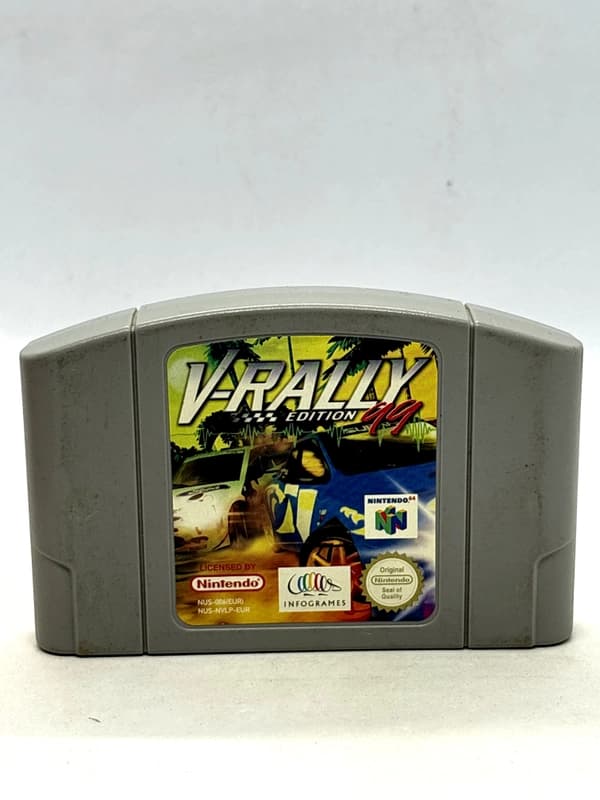
In stark contrast to the PlayStation, the Nintendo 64 library is remarkably small, consisting of just under 400 officially licensed games globally. What it lacks in sheer volume, it makes up for in pioneering game design. The N64 is a masterclass in early 3D environments and four-player couch multiplayer, anchored by legendary titles like Super Mario 64, GoldenEye 007, and The Legend of Zelda: Ocarina of Time.
Collecting PAL retro games for the N64 presents unique technical challenges. The console is heavily region-locked, and unlike the 16-bit era, modding a European N64 (NUS-001) to output a true 60Hz signal is exceptionally difficult due to the custom clock chips used on the motherboard. While some later PAL releases were better optimised for 50Hz, many players simply choose to import a Japanese or American NTSC console to ensure they are playing at the correct speed and fullscreen resolution.
Hardware add-ons are also a crucial factor in the N64 library. The Expansion Pak, which upgraded the system's RAM from 4MB to 8MB, is strictly required to play heavy hitters like Perfect Dark and The Legend of Zelda: Majora's Mask. It is highly advised to track down an official Nintendo-branded Expansion Pak (NUS-007), as third-party alternatives from the era are infamous for overheating and causing random system crashes during long play sessions.
Comparing the Big Four: Cost, Reliability, and PAL Optimisation
To determine which system has the best retro console library for your specific needs, you must weigh the upfront cost of the games against the long-term maintenance of the hardware. Cartridge-based systems are generally more robust, but optical drive consoles offer a much cheaper entry point for acquiring games.
| Console | CIB Affordability | Packaging Durability | Typical Hardware Failure | PAL 50Hz Optimisation |
|---|---|---|---|---|
| SNES | Very High Cost | Low (Cardboard) | Yellowing shell, dirty cartridge pins |
Keep the collection going
More retro finds picked to match this article.
Keep reading
More stories from the Retrobroker blog.
PAL vs NTSC-U vs NTSC-J: Understanding Video Game Region Codes
Unravel the differences between PAL, NTSC-U, and NTSC-J video game regions. Discover how region codes impact gameplay and compatibility. Start your retro gaming journey today!
Unlocking Nostalgia: How to Start Your Own Retro Gaming Collection
Discover the joy of retro gaming collection. Tips for beginners. Nostalgic journey through gaming history. Start your adventure today!
Awaiting New Challengers
Join The Bounty Board
Get exclusive first access to rare restocks, graded drops, and secret discount codes before anyone else.