How to Spot a Fake 3DS Cartridge: Verification Guide
Published on 8/26/2026
How to Spot a Fake 3DS Cartridge: Verification Guide
Many collectors and new players worry they might accidentally purchase a fake 3DS cartridge when building their physical library. Fortunately, separating a counterfeit from an authentic 3DS cartridge is much more straightforward than authenticating games from previous generations. This guide explains exactly what to look for on the cartridge hardware, the outer case, and the factory seal to ensure your collection remains completely genuine.
The Reality of the Fake 3DS Cartridge
Individual mass-produced bootlegs of 3DS games are virtually non-existent on the secondary market. Nintendo implemented advanced hardware encryption and unique ROM certificates for this generation, making it incredibly difficult to clone games on a one-to-one basis. Because of these security measures, counterfeiters find it entirely unprofitable to manufacture and crack individual 3DS titles.
Instead of targeting the 3DS, overseas bootleggers focus almost entirely on standard Nintendo DS cartridges, which lack these modern security certificates. This often leads to confusion among buyers who mix up fake DS vs 3DS games when shopping online. If a game is heavily counterfeited and floods the market at suspiciously low prices—like Pokémon HeartGold or Chrono Trigger—it is a standard DS game, not a 3DS release.
The only playable bootleg 3DS games you will encounter are multi-ROM flashcarts. These devices are designed to hold dozens of downloaded games at once, and they look entirely different from retail releases. If you are holding a standard retail shell with a single game printed on the label, you can be highly confident it is not a working counterfeit.
Physical Traits of a Genuine 3DS Cartridge
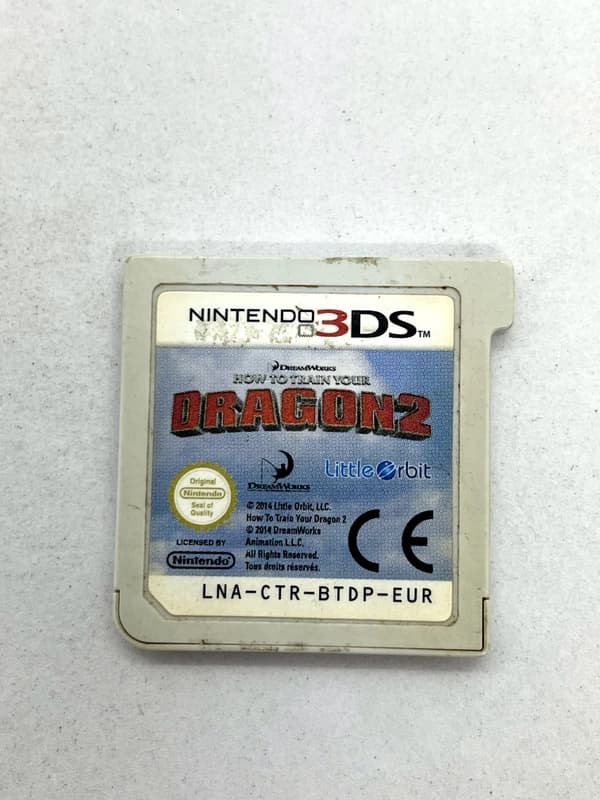
Even though individual fakes are not a major threat, understanding Nintendo 3DS cart differences is essential for spotting tampered or damaged hardware. Every genuine 3DS cartridge features a distinct, asymmetrical plastic notch located on the upper right side of the shell. This physical tab was designed by Nintendo specifically to prevent users from accidentally inserting a 3DS game into an older DS console.
The plastic shell of the cartridge should feel solid, dense, and completely seamless. Authentic cartridges are sonic-welded at the factory, meaning you will never see glue residue, splitting edges, or uneven seams around the borders. If you can pry the two halves of a cartridge apart with your fingernail, the shell has been tampered with or replaced.
To confirm your 3DS cartridge legitimate status, inspect the front sticker label and the contact pins. The label must feature a high-quality glossy finish with perfectly rounded, die-cut corners that fit exactly inside the shell's indentation. The gold contact pins on the back should be perfectly aligned, evenly spaced, and show normal, vertical insertion wear scratches if the game has been played.
Decoding Serial Numbers and Region Codes
Proper 3DS game verification relies heavily on reading the serial codes printed on the front and stamped on the back of the cartridge. The front label features a standard code format at the bottom, typically reading something like LNA-CTR-XXXX-EUR. The "CTR" stands for Citrus, which was the internal development codename for the 3DS, while the four middle letters represent the specific game ID.
Turn the cartridge over, and you will find a series of numbers and letters stamped in black ink directly onto the back of the plastic shell. The first four digits of this stamped black ink must perfectly match the middle four letters of the front serial code. Furthermore, this stamped ink is highly durable and should not easily rub off with light friction from your thumb; if it smears instantly, the shell may have been altered.
For PAL territory collectors, matching the final three letters of the front serial code is crucial for ensuring a fully original, matched set. The table below breaks down the common region codes you will find at the end of the front label serial number.
| Region Code Suffix | Target Market | Region Lock Compatibility |
|---|---|---|
| EUR | Standard Europe (France, Germany, Spain, Italy) | PAL Consoles |
| UKV | United Kingdom | PAL Consoles |
| AUS | Australia and New Zealand | PAL Consoles |
| USA | North America | NTSC-U Consoles |
| JPN | Japan | NTSC-J Consoles |
Identifying Authentic 3DS Cases and Cover Art
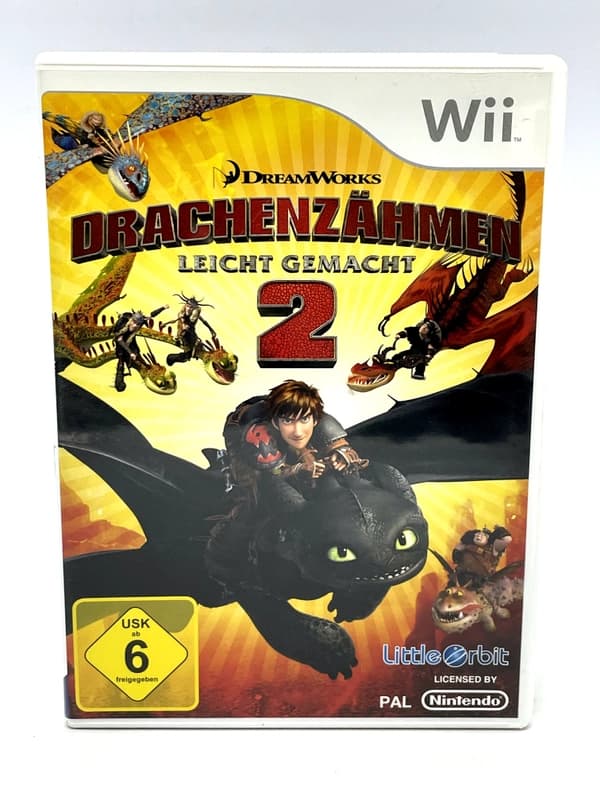
While the cartridges themselves are rarely faked, reproduction 3DS games often feature fake outer cases and counterfeit cover art. Genuine PAL region 3DS cases are slightly thinner than standard DS cases and feature a very specific, grid-like pattern of eco-holes on the inside plastic behind the cover art. These holes were implemented to reduce the amount of plastic used during manufacturing.
Counterfeit replacement cases often feel brittle to the touch and usually lack the embossed Nintendo 3DS logo on the inside spine. To save money on complex plastic molding, many third-party replacement cases use completely solid plastic on the inside, lacking the grid-like eco-holes entirely. If a rare game arrives in a solid, cheap-feeling case, the artwork and manuals inside warrant heavy scrutiny.
Reproduction cover art usually gives itself away by looking like a low-resolution inkjet scan of an original sleeve. Verify the sharpness of the micro-text in the legal copyright information on the back; on an authentic cover, this tiny text will be crisp and perfectly legible under a magnifying glass. Additionally, check the PEGI rating logo on European covers, as authentic prints use exact, standardised colour matching that cheap reproduction printers almost always get wrong, resulting in washed-out greens or overly dark reds.
Shop the gear from this story
Hand-matched to what you’re reading — tested, and covered by our warranty.
Spotting Factory Seals vs. Reseals in PAL Regions
For sealed game collectors, the greatest risk is not a fake 3DS cartridge, but rather a completely legitimate game that has been deceptively resealed. Authentic European factory seals almost always feature a branded Nintendo tear strip running horizontally around the middle or bottom third of the case. This strip is designed to make opening the game easier and features the Nintendo logo printed in a crisp, silver or grey font.
Legitimate Nintendo factory sealing wrap is very thin, perfectly clear, and folded neatly at the top and bottom edges in what is known as a Y-fold. The plastic should feel soft and sit relatively flush against the case without warping the plastic underneath.
If you encounter shrink wrap that feels thick, crinkly, or is melted haphazardly at the seams with a heat gun, you are looking at a resealed copy. A resealed game sold as "brand new" is a massive red flag for collectors. It strongly suggests the internal contents—such as the cartridge, original manuals, or unredeemed Club Nintendo points cards—may be missing, damaged, or swapped out for lesser condition parts.
Identifying the Flashcart Fake 3DS Cartridge
As mentioned earlier, the only way bootleg 3DS ROMs are played natively on unmodded hardware is through specialised flashcarts. Devices like the Sky3DS or the Stargate 3DS were engineered to bypass the console's security checks by tricking the hardware into thinking a genuine cartridge is inserted. While they function, they are visually distinct from any official retail release.
These flashcarts are easily identifiable by the presence of a MicroSD card slot, usually located at the very top edge of the cartridge shell. This slot allows the user to load downloaded game files onto the cart. No official Nintendo 3DS retail game has a MicroSD slot anywhere on its casing.
Furthermore, many of these flashcarts feature physical, clicky buttons built directly into the cartridge shell. These buttons are used to manually cycle forward or backwards through the various ROMs loaded onto the inserted MicroSD card. If you see a cartridge with an SD slot, physical buttons, or a glowing LED indicator light, it is a flashcart rather than a genuine retail game.
FAQ
Are there fake Nintendo 3DS games?
Currently, there are no individual mass-produced fake 3DS cartridges on the market due to the console's advanced hardware encryption and unique ROM certificates. This is a stark contrast to the standard Nintendo DS library, which is heavily bootlegged.
Will a fake DS game work on a 3DS?
Keep the collection going
More retro finds picked to match this article.
Keep reading
More stories from the Retrobroker blog.
PAL vs NTSC-U vs NTSC-J: Understanding Video Game Region Codes
Unravel the differences between PAL, NTSC-U, and NTSC-J video game regions. Discover how region codes impact gameplay and compatibility. Start your retro gaming journey today!
Unlocking Nostalgia: How to Start Your Own Retro Gaming Collection
Discover the joy of retro gaming collection. Tips for beginners. Nostalgic journey through gaming history. Start your adventure today!
Awaiting New Challengers
Join The Bounty Board
Get exclusive first access to rare restocks, graded drops, and secret discount codes before anyone else.