PlayStation 2028: The End of Discs & The Media Preservation Crisis
Published on 7/13/2026
PlayStation 2028: The End of the Disc Drive and the Impending Crisis of Media Preservation
Rumors have been swirling across the gaming industry, and for physical media advocates, the writing is on the wall. Industry analysts and supply chain leaks point to the year 2028 as the launch window for the PlayStation 6—and with it comes a terrifying prospect for collectors: the complete elimination of the physical disc drive.
While the general gaming public might view the transition to an all-digital console ecosystem as a mere convenience, those of us who cherish the history of video games know the truth. Phasing out physical discs by 2028 is not just a frustrating shift in consumer habits; it is a disastrous decision that threatens video game media preservation, consumer rights, and the very concept of game ownership.
Here at RetroBroker.com, we believe that physical media is the lifeblood of video game history. Let’s dive deeply into why Sony’s inevitable push toward a digital-only PlayStation by 2028 is a catastrophic misstep for the industry—and why preserving physical games is more important now than ever before.
The Writing on the Wall: The March Toward 2028
The shift away from physical media hasn't happened overnight. It has been a slow, calculated boil. We saw it when PC gaming transitioned almost entirely to digital storefronts. We saw it with the launch of the digital-only PlayStation 5 and Xbox Series S. We saw it again when Sony introduced the PS5 Slim with a detachable disc drive—an optional add-on that conditioned consumers to treat physical media as an accessory rather than a necessity.
By 2028, when the PlayStation 6 is expected to debut, Sony’s ultimate goal is clear: a closed, digital-only ecosystem. While this maximizes corporate profits by cutting out manufacturing, shipping, and retail costs, the collateral damage is placed squarely on the shoulders of the consumer and video game historians.
The Illusion of Ownership: You Don’t Own Digital Games
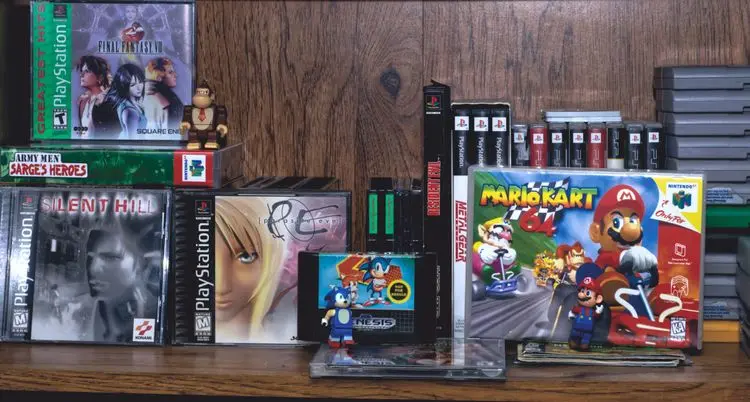
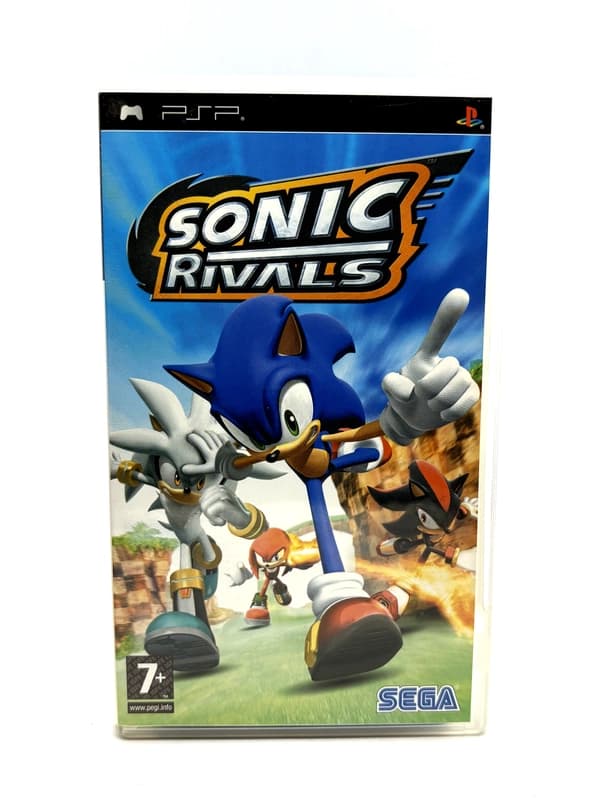
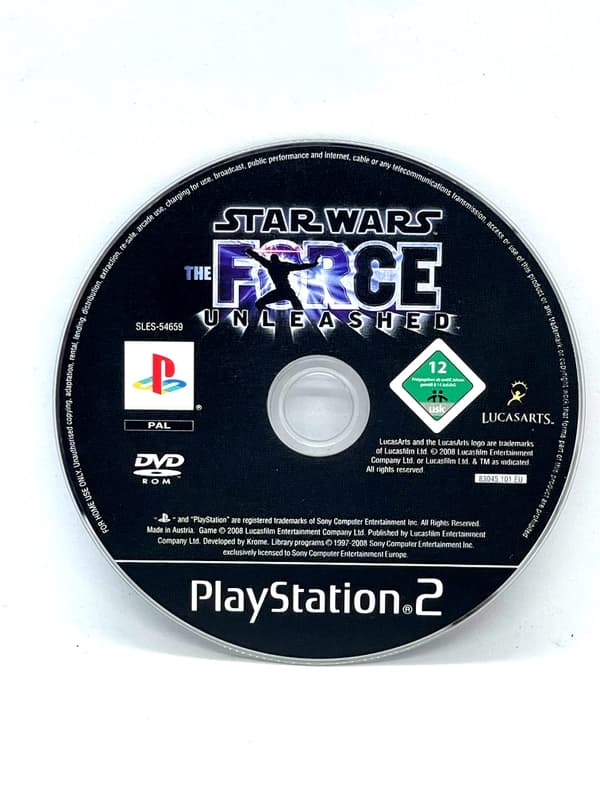
The most immediate danger of a disc-less PlayStation 2028 is the destruction of true ownership. When you purchase a physical retro game—whether it’s a cartridge for the Super Nintendo or a disc for the PlayStation 2—you own that object. You can play it, trade it, lend it to a friend, or sell it. It is your property.
When you purchase a game digitally, you are not buying a game. You are buying a non-transferable, revocable license to access a piece of software.
If Sony's servers go down, if your account gets hacked, or if an automated moderation bot wrongfully bans your profile, your entire digital library can be wiped out in an instant. Years of purchases and thousands of dollars can vanish into thin air, and you have absolutely no legal recourse. The transition to a disc-less future in 2028 means consumers will be forced into this precarious arrangement, entirely at the mercy of a mega-corporation's Terms of Service.
Shop the gear from this story
Hand-matched to what you’re reading — tested, and covered by our warranty.
The Core Issue: A Crisis in Media Preservation
Beyond consumer rights, the most tragic consequence of ending physical PlayStation games is the devastating blow to media preservation.
Video games are art. They are cultural touchstones that deserve to be preserved, studied, and enjoyed by future generations. But digital games are inherently ephemeral. They exist only on servers, and servers do not last forever.
Consider what happens when licensing agreements expire. We have already seen countless digital games completely delisted from digital storefronts because of expired music licenses, automotive licenses, or intellectual property disputes. Once a digital-only game is delisted, it is gone. If you didn't download it beforehand, you can never legally purchase or play it again.
The "Always Online" Danger
Furthermore, a digital-only future normalizes the "always online" requirement. What happens in twenty years when the PlayStation 6 servers are inevitably shut down?
If you take a PlayStation 1 console out of the closet today, plug it into a television, and insert a copy of Castlevania: Symphony of the Night, it works flawlessly. It does not need to connect to a server. It does not need a day-one patch. It simply works, just as it did in 1997.
A digital-only console from 2028 will not offer that same luxury in 2048. When the authentication servers are turned off, unpreserved digital games will become permanently unplayable. Entire libraries of art, hard work, and storytelling will be lost to the digital void. We are facing a future where the 2020s and 2030s could become a "dark age" of gaming history—an era where the games produced simply no longer exist in a playable format.
Physical Media is the Only True Backup
History has shown us that corporations cannot be trusted to preserve their own legacies. It has always fallen to the fans, the collectors, and the historians to save video games from obscurity. Physical media is the failsafe. It is the hard copy that ensures a piece of software survives long after the digital storefronts have closed their virtual doors.
By cutting the disc drive in 2028, Sony is essentially telling gamers that their media is disposable. It is a fundamental disrespect to the medium of video games.
Defending the Tangible: Why Retro Games Matter Now More Than Ever
As the modern gaming industry marches toward an all-digital, subscription-based, server-dependent future, the value and importance of retro gaming continue to skyrocket.
At RetroBroker.com, we see the writing on the wall, and it makes our mission clearer than ever. Retro games are not just vessels of nostalgia; they are monuments to an era when you actually owned the things you bought. When you buy a physical retro game, you are acquiring a piece of history that no corporation can ever patch, alter, or delete from your shelf.
Keep the collection going
More retro finds picked to match this article.

Keep reading
More stories from the Retrobroker blog.
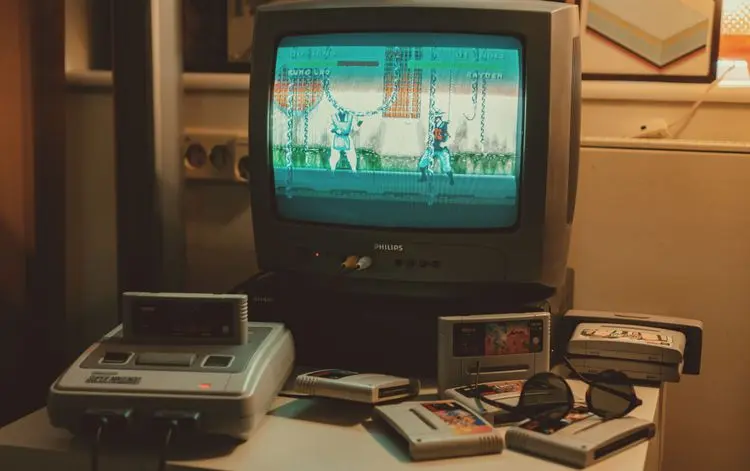
PAL vs NTSC-U vs NTSC-J: Understanding Video Game Region Codes
Unravel the differences between PAL, NTSC-U, and NTSC-J video game regions. Discover how region codes impact gameplay and compatibility. Start your retro gaming journey today!
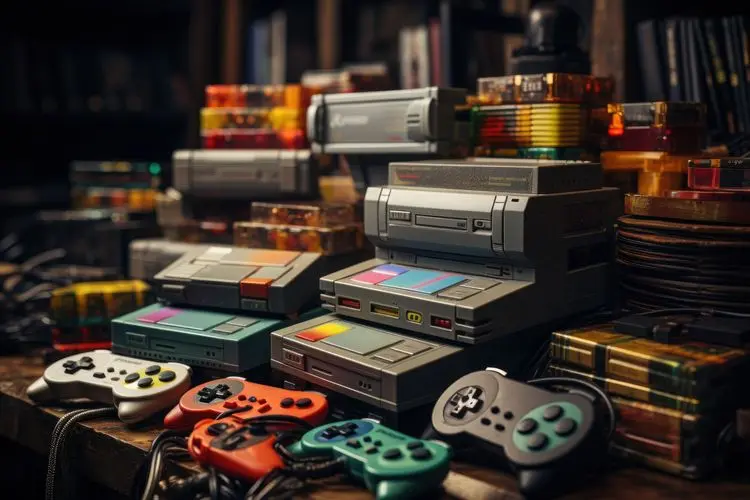
Unlocking Nostalgia: How to Start Your Own Retro Gaming Collection
Discover the joy of retro gaming collection. Tips for beginners. Nostalgic journey through gaming history. Start your adventure today!
Awaiting New Challengers
Join The Bounty Board
Get exclusive first access to rare restocks, graded drops, and secret discount codes before anyone else.