PlayStation End of Disc 2028: Why Physical Game Prices Will Skyrocket
Published on 7/13/2026
PlayStation’s End of Disc by 2028: Why Physical Game Prices Are About to Skyrocket
The video game industry is standing on the edge of a massive, permanent shift. For years, the writing has been on the wall, but recent industry rumors, leaked documents, and market trends have finally put a potential date on the digital takeover. The target year is 2028, and the prediction is a heavy one: the PlayStation end of disc era.
If Sony abandons the physical disc drive for its next-generation console—presumably the PlayStation 6—the gaming landscape will change forever. But for collectors, players, and preservationists, this digital-only future brings a highly predictable side effect. The end of physical media will inevitably and dramatically increase the prices of existing physical games.
Here at Retrobroker.com, we live and breathe physical media. We understand the intrinsic value of holding a game in your hands, popping a disc into a tray, and knowing that you actually own your purchase. In this comprehensive guide, we are diving deep into the rumored 2028 PlayStation disc phase-out, what it means for the future of game ownership, and why you should expect the retro video game market to see unprecedented price surges in the coming years.
The 2028 PlayStation End of Disc Prediction Explained
Where does the year 2028 come from? Industry insiders, leaked corporate documents from recent high-profile court cases, and the standard lifecycle of console generations all point to 2028 as the launch window for the next generation of hardware.
Currently, both Sony and Microsoft offer digital-only versions of their flagship consoles. The sales data heavily favors digital downloads, and brick-and-mortar retailers are already shrinking or completely eliminating their physical video game sections. Major publishers have begun releasing high-profile titles as digital-only exclusives, testing the waters for a disc-free future.
For Sony, dropping the disc drive by 2028 makes perfect financial sense. It lowers manufacturing costs, eliminates the secondary used-game market (meaning 100% of revenue goes directly to digital storefronts), and locks players into the PlayStation Network ecosystem. But what is a corporate victory for Sony is a looming crisis for game preservationists and collectors.
The Illusion of Digital Ownership
To understand why physical game prices will skyrocket, we first have to understand the fundamental flaw of a digital-only gaming world. When you buy a digital game, you are not buying the game itself; you are purchasing a revocable license to play it.
If a publisher loses a licensing agreement for music or characters, that digital game can be delisted and removed from the store forever. If a server is shut down, your ability to redownload your library vanishes. We have already seen this happen with massive digital storefront closures across older console generations.
Shop the gear from this story
Hand-matched to what you’re reading — tested, and covered by our warranty.

2. Panic Buying and FOMO (Fear Of Missing Out)
We saw it during the brief period when Sony threatened to close the PS3 and PS Vita digital stores—gamers rushed to buy physical copies of those games, causing prices to triple overnight. If a blanket announcement is made that physical media is dead, panic buying will ensue across all PlayStation generations. Collectors will scramble to secure the games they always meant to buy, resulting in massive market spikes.
3. The "Last Physical Generation" Premium
If the PlayStation 5 goes down in history as the final Sony console to support physical discs, PS5 physical games will carry a unique historical premium. Limited print runs, collector's editions, and physical exclusives for the PS4 and PS5 will become highly sought-after artifacts of a bygone era.
4. Delisted and Censored Games
In a digital-only future, publishers have the power to alter, patch, or censor games retroactively. We have already seen games receive "updates" that remove original music tracks or alter controversial content. Physical discs preserve the original 1.0 version of the game’s code. Gamers who want to experience media exactly as it was originally created will have no choice but to pay premium prices for physical copies.
The Ripple Effect on the Retro Video Game Market
While the 2028 prediction directly impacts modern gaming, the ripple effect on the retro video game market will be staggering. At Retrobroker.com, we are already seeing the early stages of this trend.
When physical media becomes a "retro" concept in and of itself, the nostalgia factor will multiply.
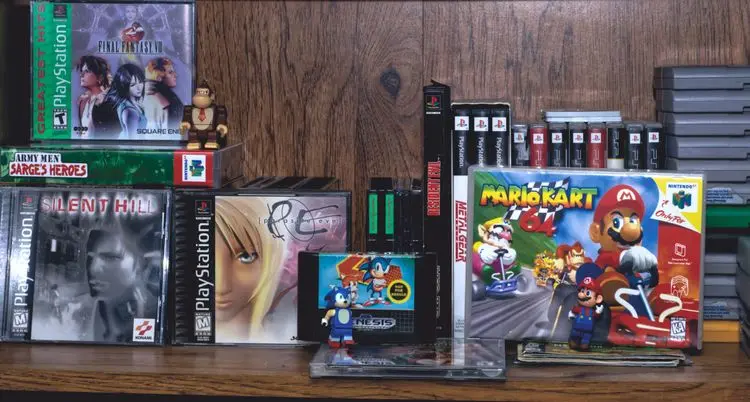
- PlayStation 1, 2, and 3: These consoles are already seeing a massive resurgence. As the digital era takes over, the tactile experience of flipping through a thick PS1 manual or slotting in a PS2 memory card will become a luxury experience. Prices for complete-in-box (CIB) classics from these eras will climb as they transition from "old games" to "antique physical media."
- Nintendo and Sega: The halo effect won't just touch Sony. Retro Nintendo cartridges, Sega Genesis games, and niche systems will see increased valuations. Cartridges are the ultimate form of physical media, known for their durability and plug-and-play nature. As the mainstream industry pushes cloud gaming and digital licenses, retro cartridges will be viewed as premium collector's items.
What Should Collectors and Gamers Do Now?
If you want to protect your gaming library and your wallet, the time to act is right now, well before the 2028 shift. Here are a few strategies to prepare for the end of the disc era:
Keep the collection going
More retro finds picked to match this article.
Keep reading
More stories from the Retrobroker blog.
PAL vs NTSC-U vs NTSC-J: Understanding Video Game Region Codes
Unravel the differences between PAL, NTSC-U, and NTSC-J video game regions. Discover how region codes impact gameplay and compatibility. Start your retro gaming journey today!
Unlocking Nostalgia: How to Start Your Own Retro Gaming Collection
Discover the joy of retro gaming collection. Tips for beginners. Nostalgic journey through gaming history. Start your adventure today!
Awaiting New Challengers
Join The Bounty Board
Get exclusive first access to rare restocks, graded drops, and secret discount codes before anyone else.