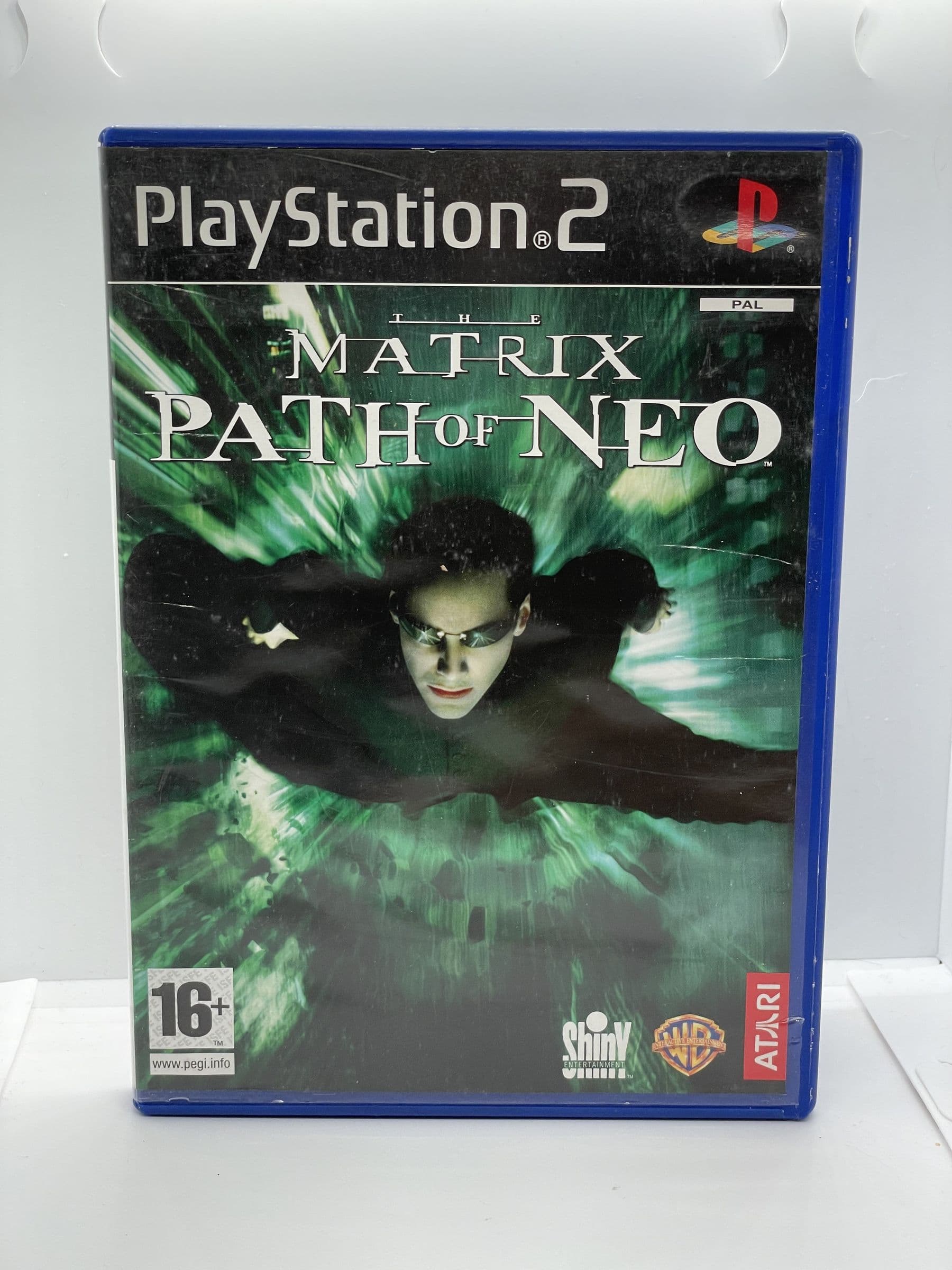
PlayStation Ending Physical Discs in 2028: The Real Risks
Published on 8/8/2026
The Real Impact of PlayStation Ending Physical Discs in 2028
Look closely at the game cases on your shelf and ask yourself: how many of those titles would simply vanish if a server went offline tomorrow? With persistent industry reports pointing toward PlayStation ending physical discs in 2028, the convenience of digital downloading is slowly revealing its hidden cost. For years, the shift away from optical media has been framed purely as progress by console manufacturers. Consoles have grown quieter, optical drive noises have vanished, and switching games no longer requires getting up from the sofa.
Yet, behind this frictionless future lies a profound shift in consumer rights. When you download a game from a modern storefront, you are not buying a product in the traditional sense. You are leasing a temporary digital license that can be modified, censored, or revoked without warning. As we move closer to a potentially discless generation, the physical games we already own are transforming from nostalgic novelties into vital historical archives.
What PlayStation Ending Physical Discs in 2028 Means for Collectors
The rumours surrounding the PlayStation 6 point heavily toward a fully digital ecosystem. Disc drives are already becoming optional, expensive add-ons, as seen with the current PlayStation 5 Slim revisions. If the timeline holds true and we see PlayStation ending physical discs in 2028, the era of true ownership effectively closes. Future generations of players will be entirely at the mercy of digital storefronts and publisher subscription models.
We are already seeing the groundwork being laid for this transition. Digital platforms frequently delist titles when publishing agreements expire, leaving latecomers with no legal way to purchase them. If you hold the physical media, the game remains yours regardless of what happens in the corporate boardroom. A disc requires no server authentication, no subscription fee, and no ongoing permission to function.
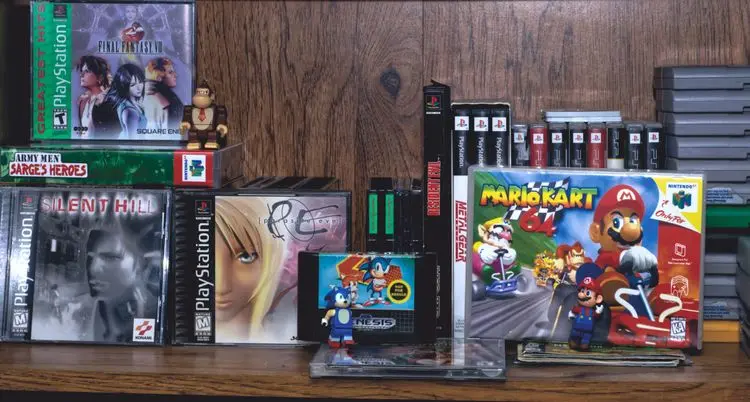
This is why preserving older hardware and games is an active defence against a disposable culture that treats video games as transient content. As European collectors, we know the inherent value of a physical library. It is the primary reason retrobroker.com focuses entirely on getting tested, original hardware into the hands of players who want to maintain their independence from digital storefronts.
The Illusion of Digital Ownership
When you buy a physical PlayStation 2 or PlayStation 3 game, the data is permanently stamped into the polycarbonate layer of the disc. Pop it into a working console, and the game will boot exactly as it did on release day twenty years ago. You do not need a day-one patch, a firmware update, or an always-online connection to access the single-player campaign. The experience is locked in time, safely sitting on your shelf.
Digital libraries operate under a completely different and far more fragile set of rules. Publisher terms of service explicitly state that digital purchases can be removed at their discretion. We have already watched major publishers pull the plug on legacy storefronts, drastically reducing access to thousands of digital-only titles. Once a storefront closes, any games you failed to back up locally are often gone for good.
Even if you manage to keep downloaded titles on a hard drive, hardware failure will eventually turn those digital files into inaccessible data. Physical discs bypass this fragile digital ecosystem entirely. They offer a robust, offline alternative that respects your initial purchase and guarantees your ability to play for decades to come.
Lost to Licensing: When Content is Taken Away
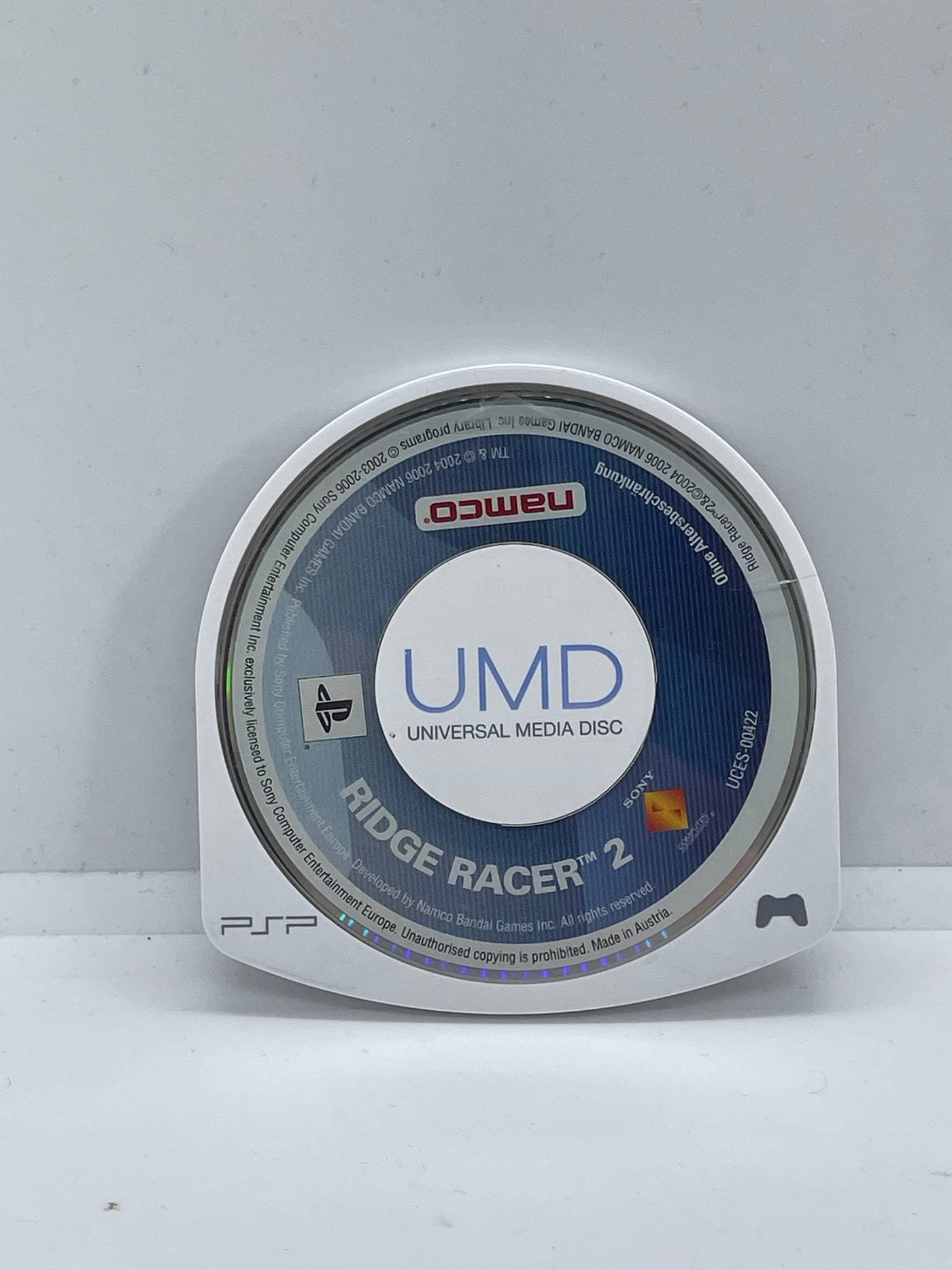
The most common reason games disappear from digital storefronts is expired licensing agreements. Racing titles are particularly vulnerable due to incredibly complex, time-limited contracts involving car manufacturers and music rights. Take OutRun 2006: Coast 2 Coast, an arcade racing masterpiece that was abruptly pulled from all digital stores just a few years after its release. Ferrari licenses expired, and publisher Sega chose not to renew them.
If you want to play OutRun 2006 today, the original PlayStation 2 or PlayStation Portable discs are your only legal avenues. The same grim fate befell Driveclub on the PlayStation 4. Despite being a flagship first-party title heavily promoted by Sony, the game was permanently delisted and its servers shut down in 2020. Every digital trace of the game was wiped from the store, leaving physical copies as the sole surviving method to play it.
Licensed music is another major casualty of the digital era. Original releases of titles like Crazy Taxi and Tony Hawk’s Pro Skater are heavily defined by their energetic, era-specific soundtracks. When these games are repackaged for modern digital platforms, iconic tracks are frequently stripped out and replaced with generic alternatives to avoid paying royalties. Owning the original PAL or NTSC disc guarantees the audio experience remains exactly as the developers intended.
Shop the gear from this story
Hand-matched to what you’re reading — tested, and covered by our warranty.
Censorship and Controversy: Games That Only Exist on Disc
While licensing issues are frustrating, the retroactive alteration of games due to controversy is deeply alarming for media preservationists. There are numerous examples of games that do not exist anymore in their original form, having been patched, censored, or entirely scrubbed from the internet. When a publisher decides a legacy game no longer aligns with modern sensibilities, the digital version is the first to be sanitised or deleted.
Consider the original Grand Theft Auto: San Andreas, released for the PlayStation 2 in 2004. The original physical release contains a massive, culturally defining soundtrack that has been continually gutted in subsequent digital rereleases. More importantly, early disc pressings still contain the dormant code for the controversial 'Hot Coffee' minigame, a piece of gaming history that Rockstar completely eradicated from all later physical and digital versions. The modern digital Definitive Edition lacks the atmosphere, lighting, and audio of that original 2004 disc.
Another stark example is Rule of Rose, a 2006 psychological horror title for the PlayStation 2. Due to a severe moral panic spearheaded by politicians and tabloid newspapers, the game’s release was outright cancelled in several European countries, including the UK. It was deemed too controversial and was never granted a digital release on any platform. Today, the surviving physical discs are the absolute only way to experience this misunderstood narrative.
Similarly, Manhunt 2 faced extreme censorship hurdles upon its release in 2007. The modern digital landscape offers no sanctuary for controversial games of this nature, as platform holders strictly police their current storefronts. If you want to study, archive, or play these deliberately erased titles in their original state, securing a well-preserved physical disc is mandatory.
Region Differences and Seeking Out the Originals
When sourcing these physical lifelines, understanding regional differences across console generations is crucial. Throughout the PlayStation 1 and PlayStation 2 eras, the gaming world was strictly divided into PAL (Europe and Australia) and NTSC (North America and Japan) regions. Physical games were locked to consoles from their respective territories, meaning a European console would simply refuse to boot an American disc.
European PAL games historically ran at 50Hz, meaning they played roughly 17 percent slower than their 60Hz NTSC counterparts. Many fighting games and fast-paced platformers suffered heavy letterboxing and sluggish gameplay in Europe as a result of poor conversions. Today, many dedicated collectors deliberately seek out NTSC-U (North American) or NTSC-J (Japanese) physical discs and matching hardware to experience the games at their intended full speed.
Keep the collection going
More retro finds picked to match this article.
Keep reading
More stories from the Retrobroker blog.
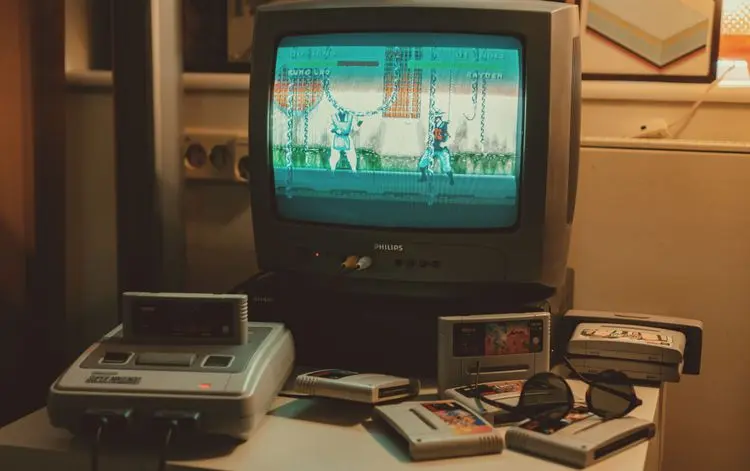
PAL vs NTSC-U vs NTSC-J: Understanding Video Game Region Codes
Unravel the differences between PAL, NTSC-U, and NTSC-J video game regions. Discover how region codes impact gameplay and compatibility. Start your retro gaming journey today!
Unlocking Nostalgia: How to Start Your Own Retro Gaming Collection
Discover the joy of retro gaming collection. Tips for beginners. Nostalgic journey through gaming history. Start your adventure today!
Awaiting New Challengers
Join The Bounty Board
Get exclusive first access to rare restocks, graded drops, and secret discount codes before anyone else.