The Complete PlayStation Generation Timeline: A Collector's Guide
Published on 8/20/2026
The Complete PlayStation Generation Timeline: A Collector's Guide
Navigating the complete PlayStation generation timeline requires more than just memorising release dates and model names. For collectors and players in PAL territories, understanding hardware revisions, regional quirks, and maintenance realities is the difference between a pristine gaming experience and a broken console. This guide breaks down every Sony generation to help you identify the best models, avoid common hardware failures, and build a reliable retro library.
PlayStation 1 (1995 PAL Release): The Audiophile and Modding Era
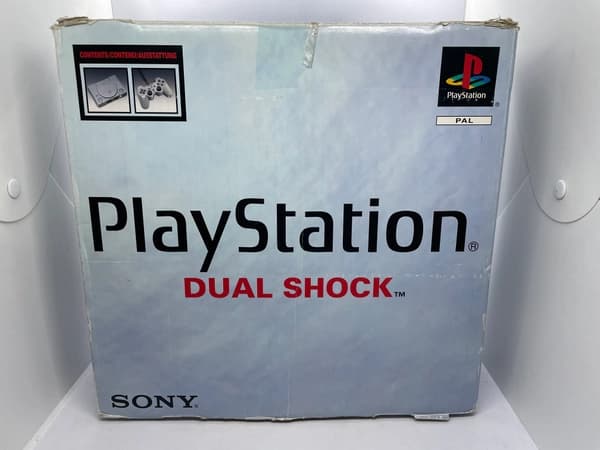
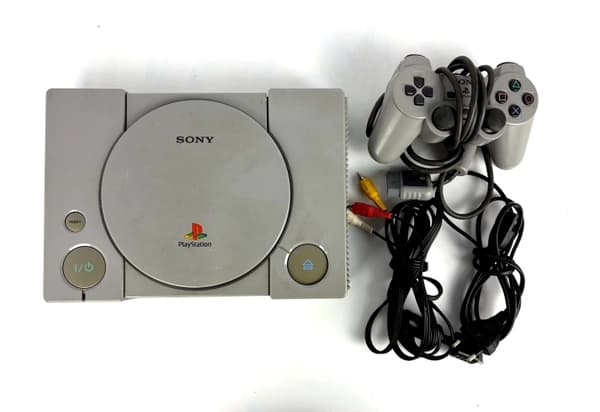
The dawn of PlayStation console history in Europe began in late 1995 with the original grey FAT console. Early adopters often seek out the SCPH-1002 model due to its direct RCA audio jacks and reputation as an audiophile-grade CD player. However, this specific model suffers from rapid wear on the plastic laser sled rails, causing skipping audio and FMV stuttering that often forces players to flip the console upside down just to read discs.
For returning players wanting reliability, later PS1 hardware revisions are far superior. The redesigned PSone Slim (SCPH-102) released in 2000 features a much more durable laser assembly and a compact footprint that fits easily into modern entertainment centres.
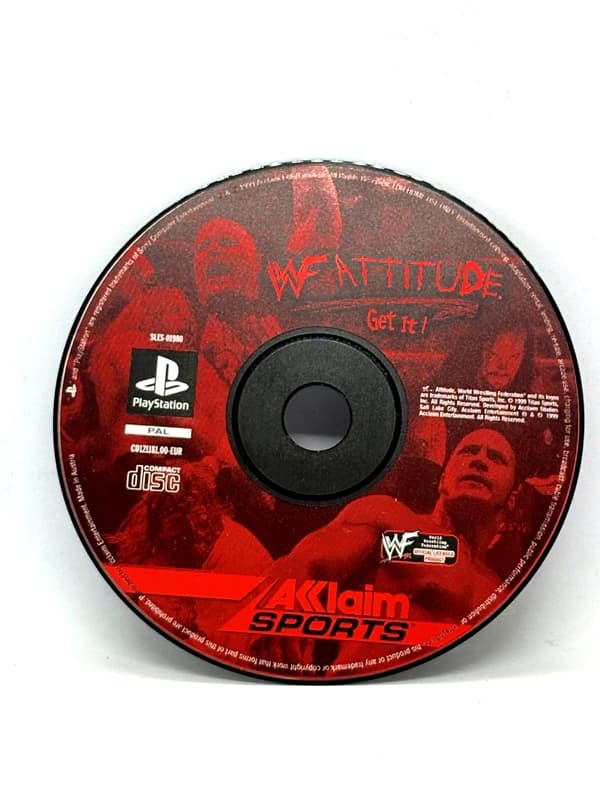
When exploring the early PlayStation generation timeline, PAL players must also contend with 50Hz optimisation issues. Early 3D games often ran 17% slower with large black borders at the top and bottom of the screen compared to their NTSC-U/J counterparts. Because original hardware features a strict PlayStation region lock, installing a modchip remains the most practical way to play imported 60Hz titles at their intended, full-screen speed.
PlayStation 2 (2000 PAL Release): Backwards Compatibility and Laser Lifespans
The PS2 era introduced DVD playback and true PS2 backwards compatibility with the PS1 library, making it an absolute powerhouse for retro fans. Finding reliable PAL PlayStation consoles today means navigating several distinct hardware revisions, each with unique benefits and drawbacks. The Phat models are beloved for their internal hard drive support, but the older SCPH-30000 series features a notably loud cooling fan. The later SCPH-50000 series introduced a whisper-quiet fan and a built-in IR receiver for DVD media remotes, though Sony removed the i.LINK (FireWire) port to cut costs.
Later in the PlayStation generation timeline, Sony introduced the ultra-compact Slim models. The original Slim (SCPH-70000 series) relies on an external power brick, while the final revision (SCPH-90000) integrates the power supply internally for a cleaner setup. However, all Slim models dropped support for internal hard drives, which is a major drawback for users relying on Free McBoot and OPL for loading backups directly from a disk.
| Model Series | Form Factor | Notable Features | Key Drawbacks |
|---|---|---|---|
| SCPH-30000 | Phat | i.LINK port, Internal HDD support | Loud cooling fan |
| SCPH-50000 | Phat | Quiet fan, Built-in IR receiver | No i.LINK port |
| SCPH-70000 | Slim | Extremely compact, built-in Ethernet | Requires external power brick, no HDD |
| SCPH-90000 | Slim | Internal power supply | Harder to softmod, no HDD support |
Regardless of the model you choose, PS2s are notorious for the dreaded Disc Read Error. This frustrating issue is usually caused by a dusty laser lens or a failing laser sled mechanism struggling to focus on DVDs. Carefully opening the console and gently cleaning the laser lens with 99% isopropyl alcohol and a cotton swab can often bring a seemingly dead console back to life.
PlayStation Portable (2005 PAL Release): UMDs and Battery Bloat
Sony's entry into the handheld market brought PS2-quality graphics on the go, but the hardware went through rapid evolution. The original PSP-1000 feels premium and substantial, but its LCD screen suffers from noticeable ghosting during fast motion. The PSP-2000 and PSP-3000 models doubled the internal RAM to 64MB, drastically improving game load times, while the 3000 introduced a vibrant screen with a wider colour gamut that fixed the ghosting issues. The digital-only PSP Go slid onto the scene later, offering 16GB of internal storage but abandoning the physical UMD drive entirely.
The biggest physical threat to PSP collectors today is severe battery bloat. Original lithium-ion cells from this era are expanding at an alarming rate, sometimes cracking the battery door or permanently damaging the console's internal motherboard. Always check your PSP batteries periodically; if they show any signs of swelling, safely dispose of them at a local battery recycling centre and source a modern aftermarket replacement from a reputable brand.
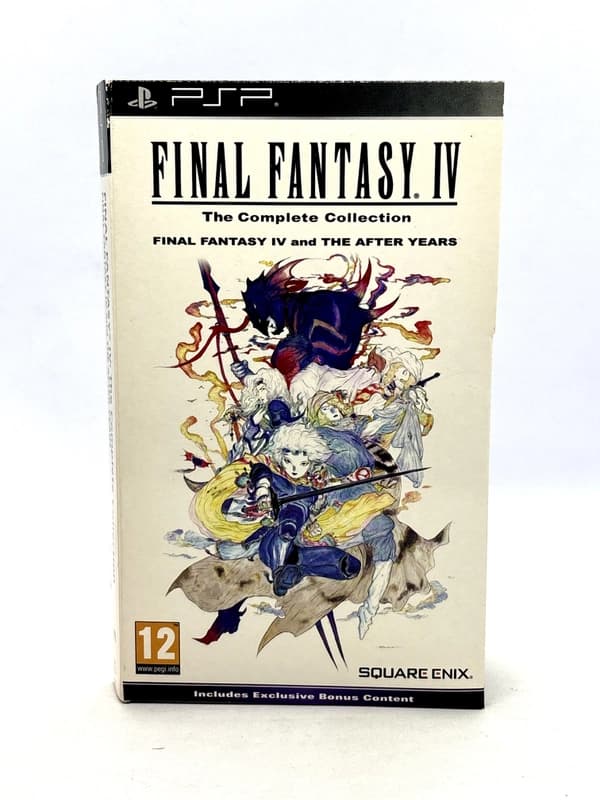
When buying physical games, you must also carefully inspect the Universal Media Disc (UMD) housing. The acrylic plastic shells are incredibly fragile and prone to splitting open down the middle. If you see a UMD held together by clear plastic clips or lacking the official UMD logo etched into the plastic, it has been rehoused. While these third-party replacement shells keep the game playable, they drastically lower the value of a CIB (Complete in Box) collectible.
Shop the gear from this story
Hand-matched to what you’re reading — tested, and covered by our warranty.
PlayStation 3 (2007 PAL Release): The Backwards Compatibility Minefield
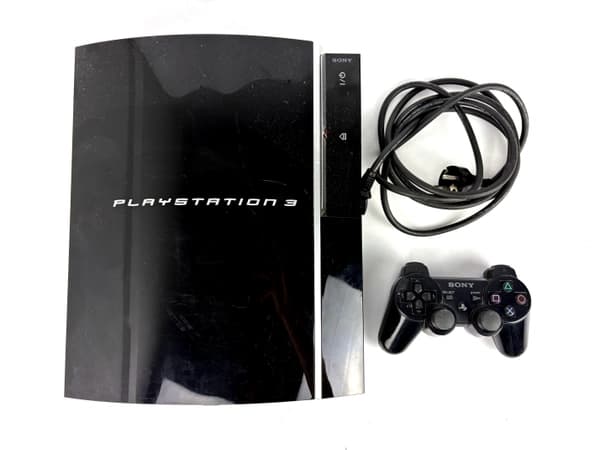
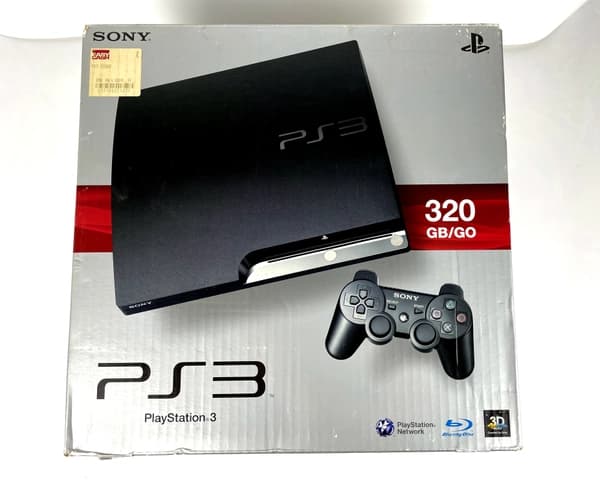
The PS3 era is arguably the most complicated segment of the PlayStation generation timeline. For collectors chasing the ultimate all-in-one console, PS2 backwards compatibility is the holy grail, but the PAL market received a compromised version of the hardware. While North America received the CECHA01 model with full PS2 chips on the motherboard, the European 60GB Phat model (CECHC04) relies on partial software emulation. This means some PS2 games will exhibit graphical glitches, run slowly, or fail to boot entirely on a PAL 60GB console.
Furthermore, early Phat models are ticking time bombs for the YLOD (Yellow Light of Death). This catastrophic hardware failure is heavily tied to deteriorating NEC/TOKIN capacitors and thermal stress on the 90nm RSX graphics chip. Keeping a CECHC04 alive today often requires highly skilled maintenance, such as replacing the capacitors or performing a complex "Frankenstein" mod to solder a smaller, cooler RSX chip from a later Slim model onto the Phat motherboard.
When comparing the PS3 fat vs slim, the later models win purely on reliability. If you solely want to play PS3 titles without constant overheating fears, the PS3 Slim (CECH-2000 or CECH-2500 series) or the top-loading Super Slim are the best daily drivers. They run cooler, draw significantly less power, and completely eliminate the fundamental YLOD design flaws associated with the launch units.
PlayStation Vita (2012 PAL Release): OLED vs LCD Panels
The PlayStation Vita remains a beloved piece of premium handheld hardware, sharply divided into two distinct camps for collectors. The launch PCH-1000 model boasts a gorgeous OLED display that provides deep blacks and incredibly vibrant colours. However, this early OLED technology is prone to screen burn-in and the "mura" effect, where blotchy black spots become visible during dark loading screens. The revised PCH-2000 (Slim) swapped the OLED for a standard LCD panel, which lacks the original's visual punch but offers longer battery life, a lighter chassis, and a highly convenient standard micro-USB charging port.
A major hurdle for Vita owners is the console's reliance on notoriously expensive, proprietary Sony memory cards, which are highly prone to sudden corruption and failure. For users running custom firmware, the SD2Vita adapter has become an essential hardware workaround. This cheap adapter allows you to use standard, high-capacity micro-SD cards directly via the game cartridge slot, bypassing Sony's failing memory cards entirely.
Keep the collection going
More retro finds picked to match this article.
Keep reading
More stories from the Retrobroker blog.
PAL vs NTSC-U vs NTSC-J: Understanding Video Game Region Codes
Unravel the differences between PAL, NTSC-U, and NTSC-J video game regions. Discover how region codes impact gameplay and compatibility. Start your retro gaming journey today!
Unlocking Nostalgia: How to Start Your Own Retro Gaming Collection
Discover the joy of retro gaming collection. Tips for beginners. Nostalgic journey through gaming history. Start your adventure today!
Awaiting New Challengers
Join The Bounty Board
Get exclusive first access to rare restocks, graded drops, and secret discount codes before anyone else.