PS3 vs Xbox 360: Which 7th Gen Console to Collect Today?
Published on 8/22/2026
PS3 vs Xbox 360: Which 7th Gen Console to Collect Today?
The debate over PS3 vs Xbox 360 has evolved from schoolyard sales arguments into a complex landscape for modern retro collectors. Choosing which of these seventh generation consoles to invest in today requires looking past nostalgia and understanding hardware survival rates, digital storefront closures, and region compatibility. This guide will help you navigate hardware revisions, spot counterfeit accessories, and build a resilient physical library that will stand the test of time.
Hardware Reliability: PS3 vs Xbox 360 Survival Rates
The early years of the seventh generation are infamous for catastrophic hardware failures. Both manufacturers rushed their initial consoles to market using new lead-free solder regulations, resulting in fundamental design flaws. For Microsoft, this manifested as the Xbox 360 red ring of death (RRoD), while Sony suffered the equally devastating Yellow Light of Death (YLoD).
To avoid these issues today, identifying specific Xbox 360 hardware revisions is crucial. The most reliable 'Fat' Xbox 360 is the 'Jasper' motherboard revision, introduced late in 2008. You can identify a Jasper without opening the console by checking the power socket on the back: look for a 12.1A (amp) rating above the video port, alongside a distinctively shaped power connector. Alternatively, opting for a later Xbox 360 Slim or the final 'E' model completely bypasses the original RRoD design flaws.
For Sony's hardware, early 'Fat' models require immediate and ongoing maintenance to survive as daily drivers. If you own an original backward-compatible unit, performing a PS3 YLoD fix or preventative maintenance—such as replacing the thermal paste and thoroughly clearing internal dust—is absolutely mandatory. Because maintaining these early units is a heavy burden, we generally consider the PS3 Slim (specifically the CECH-20xx, 21xx, and 25xx series) to be the safest bet for reliable, everyday play.
Buyers should strongly avoid early models marketed as 'refurbished' by amateur sellers. Many of these consoles have only been temporarily revived using a heat gun to reflow the solder. This is a stopgap measure that will inevitably fail again; only professional reballing or proper preventative repasting offers genuine longevity.
Region Locking and the PAL Collector's Advantage
When collecting for these systems in Europe, region compatibility dramatically alters your buying strategy. Here, the PlayStation 3 holds a massive, undeniable advantage.
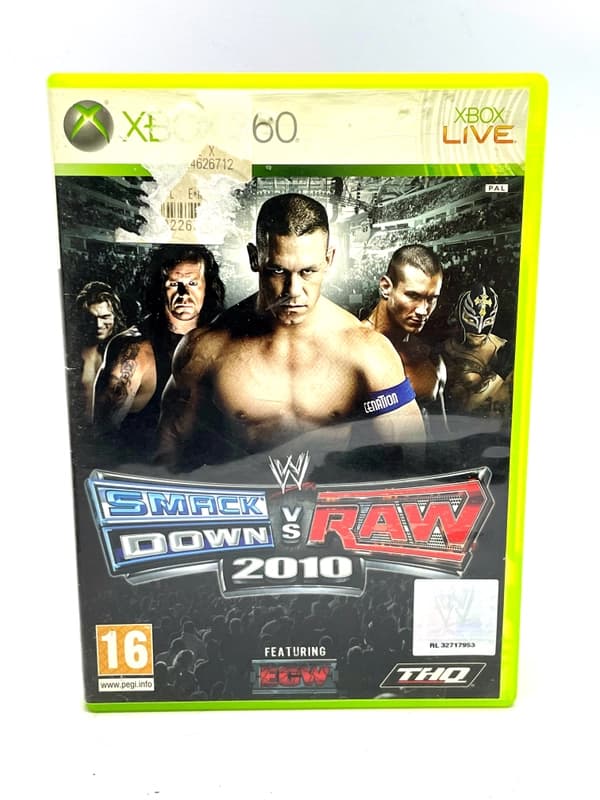
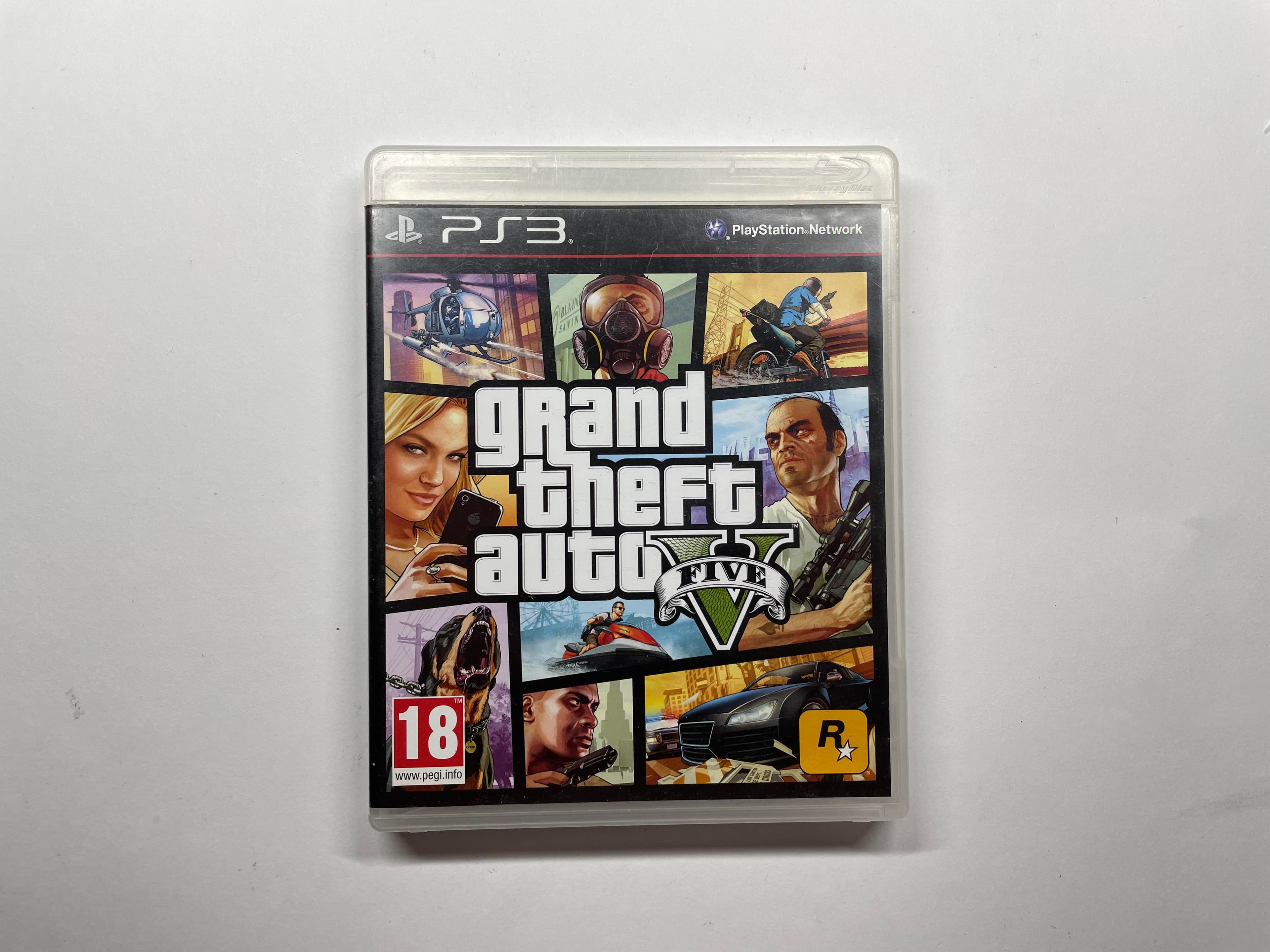
Almost all physical PlayStation 3 discs are entirely region-free. This means a PAL console can seamlessly play NTSC-U (North American) and NTSC-J (Japanese) releases. European collectors can freely import heavy-hitting RPGs or obscure Japanese shooters that never received a local release, without needing to modify their console. Conversely, the Xbox 360 is heavily region-locked. While a small handful of titles were published region-free, PAL collectors generally must hunt specifically for PAL-encoded discs or rely on a modified console to play imports.
| Feature | PlayStation 3 | Xbox 360 |
|---|---|---|
| Physical Game Region Locking | Region-Free (99% of games) | Region-Locked (PAL required) |
| Disc Format | Blu-ray (50GB dual-layer) | DVD-ROM (8.5GB dual-layer) |
| Durability / Scratch Resistance | Extremely High (Hard-coating) | Low (Prone to laser burns) |
| Multi-Disc Games | Very Rare | Common for large RPGs |
Media formats also play a significant role in long-term preservation. The PS3 utilizes Blu-ray discs, which feature a proprietary hard-coating that makes them highly resistant to scratches. It is rare to find a non-working PS3 disc unless it has been subjected to severe abuse. The Xbox 360 relies on standard DVDs, which are highly susceptible to scratching. Early Xbox 360 disc drives lacked protective rubber grommets, meaning that moving the console while a disc was spinning would score a perfect, often unreadable circular laser burn into the game data.
PS3 vs Xbox 360: Exclusives and Multiplatform Performance
If you are buying multiplatform games, the Xbox 360 is almost always the superior choice. Microsoft’s developer-friendly architecture and unified 512MB of memory made it much easier to program for. As a result, massive multiplatform titles like The Elder Scrolls V: Skyrim, Red Dead Redemption, and Bayonetta run noticeably better on the Xbox 360, boasting smoother framerates and sharper textures.
However, the PlayStation 3's notoriously complex Cell processor allowed first-party studios to extract incredible performance that the Xbox 360 simply could not match. Heavy-hitting exclusives like Metal Gear Solid 4: Guns of the Patriots, Killzone 2, and the Resistance trilogy remain trapped on the hardware. Because the Cell architecture is so difficult to emulate perfectly, many of these titles never received PC ports and must be played on original hardware to be fully appreciated.
For the modern collector, we advise building a hybrid library. Purchase your multiplatform titles on the Xbox 360 to guarantee the best performance, and reserve the PS3 strictly for its unparalleled lineup of first-party exclusives. Finding rare Xbox 360 PAL exclusives or definitive multiplatform ports is highly rewarding, but missing out on Sony's cinematic masterpieces is not an option.
Shop the gear from this story
Hand-matched to what you’re reading — tested, and covered by our warranty.
The Backward Compatibility Minefield
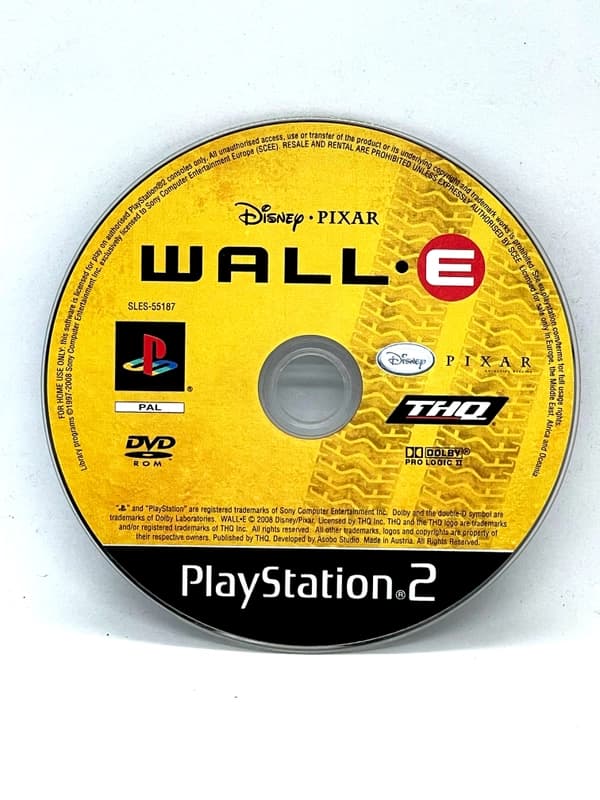
Navigating PS3 backward compatibility requires careful attention to model numbers. It is a common misconception that all bulky PS3s play PlayStation 2 games. In reality, all PS3 models (Fat, Slim, and Super Slim) can play original PS1 discs seamlessly. However, for PAL territories, only the original 60GB Fat model (CECHC04) plays PS2 discs. Furthermore, this European model achieves this via software emulation, which is slightly less accurate than the full hardware emulation found in the early NTSC-U (North American) units.
The Xbox 360 offers its own robust backward compatibility with original Xbox games, but it comes with a significant hardware catch. To play original Xbox discs, your Xbox 360 requires an official Microsoft hard drive. These official drives contain a specific, hidden emulation partition that allows the older games to boot.
Many collectors accidentally purchase aftermarket or third-party hard drives from auction sites because they are cheaper. While these drives will save Xbox 360 games perfectly fine, they entirely lack the crucial emulation partition. Without an official drive, your Xbox 360 will simply refuse to read original Xbox discs, leaving you locked out of a fantastic legacy library.
Controller Maintenance and Spotting Fakes
As the seventh generation ages, maintaining input hardware has become a major hurdle. The secondary market is currently flooded with counterfeit PlayStation 3 controllers, making the DualShock 3 fake vs real dilemma a daily headache for buyers.
Spotting a fake DualShock 3 requires testing a few specific quirks. Counterfeits typically feature stiff analogue sticks with massive deadzones, making precision aiming in first-person shooters impossible. Visually, look for misaligned Sony logos or slightly off-colour plastic on the directional pad. Functionally, fake controllers rarely include working Sixaxis motion sensors. The most definitive test, however, is charging: a genuine DualShock 3 requires a USB handshake to charge and will only draw power from a console or a PC. If you plug a DualShock 3 directly into a standard smartphone wall adapter and it begins charging, it is undoubtedly a fake.
The Xbox 360 controller has aged far more gracefully, largely due to its power source. While the internal lithium-ion batteries in genuine PS3 controllers are now failing and almost universally require soldering to replace, the Xbox 360 controller’s modular AA battery pack design remains brilliant. You can simply insert modern rechargeable AA batteries and play indefinitely. The only common maintenance required for Xbox 360 controllers is replacing worn rubber thumbsticks, which is a cheap, easy repair that takes ten minutes and restores the pad to a like-new feel.
Keep the collection going
More retro finds picked to match this article.
Keep reading
More stories from the Retrobroker blog.
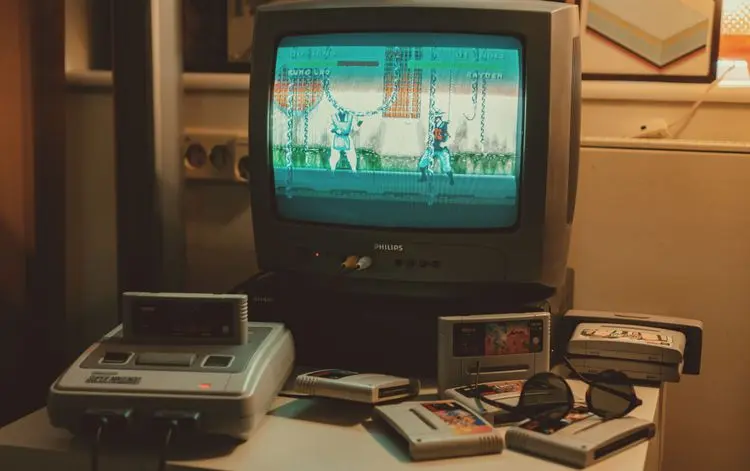
PAL vs NTSC-U vs NTSC-J: Understanding Video Game Region Codes
Unravel the differences between PAL, NTSC-U, and NTSC-J video game regions. Discover how region codes impact gameplay and compatibility. Start your retro gaming journey today!
Unlocking Nostalgia: How to Start Your Own Retro Gaming Collection
Discover the joy of retro gaming collection. Tips for beginners. Nostalgic journey through gaming history. Start your adventure today!
Awaiting New Challengers
Join The Bounty Board
Get exclusive first access to rare restocks, graded drops, and secret discount codes before anyone else.