PS5 vs Xbox Series X vs Switch 2: A Retro Collector's 2026 Guide
Published on 8/20/2026
PS5 vs Xbox Series X vs Switch 2: A Retro Collector's 2026 Guide
Choosing between the PS5 vs Xbox Series X vs Switch 2 is usually a debate about frame rates, graphical fidelity, and exclusive titles. However, for preservationists and physical media advocates, the real battleground is legacy support and hardware longevity. We evaluate the current generation of hardware strictly on physical media preservation, native backwards compatibility, offline play requirements, and hardware repairability. You will walk away from this guide knowing exactly which modern ecosystem best respects your existing collection and guarantees access to your games decades from now.
PS5 vs Xbox Series X vs Switch 2: Backwards Compatibility
When evaluating playing retro games on modern consoles, the ability to insert a dusty disc or cartridge and simply press play is the ultimate test. Each of the major platform holders handles their legacy catalogue with distinctly different philosophies, directly impacting collectors who prefer physical media over digital rentals.
The backwards compatibility Xbox Series X offers is heavily marketed as the best in the industry, but it comes with a significant technical caveat. Microsoft's console supports a massive, curated list of original Xbox and Xbox 360 physical discs. However, the console does not run the code directly from the disc. Inserting a legacy physical game prompts the console to download an emulation wrapper and a recompiled version of the game from Microsoft's servers. Your physical disc merely acts as a DRM licence check. If your console is offline, or if Microsoft eventually deactivates the Xbox 360 emulation servers, those physical discs will no longer boot on a Series X.
Sony's approach with the PlayStation 5 is strictly native, but severely limited in scope. The PS5 natively reads and executes PlayStation 4 discs using integrated hardware compatibility. Unfortunately, native physical backward compatibility stops there. The PS5 optical drive will not read PS1, PS2, or PS3 discs. To access games from those older generations, players are forced to rely entirely on the digital PlayStation Plus Premium subscription service, streaming or downloading official emulator ports with no option to utilize their existing physical collections.
The Switch 2 backwards compatibility strategy provides a seamless bridge to the immediate past. Nintendo has confirmed that their new hardware will natively boot physical cartridges from the original Nintendo Switch library. However, much like Sony, Nintendo has locked their older legacy systems behind a subscription paywall. NES, SNES, Nintendo 64, Game Boy, and Game Boy Advance titles remain strictly accessible via the digital Nintendo Switch Online service, with no modern physical cartridge releases planned for these classic libraries.
| Console Ecosystem | Supported Legacy Physical Media | Execution Method | Offline Playability for Legacy Physical Media |
|---|---|---|---|
| Xbox Series X | Original Xbox, Xbox 360, Xbox One | Downloadable emulation wrapper | Requires initial internet connection to download |
| PlayStation 5 | PlayStation 4 | Native hardware compatibility | Fully offline out of the box |
| Nintendo Switch 2 | Nintendo Switch (Gen 1) | Native hardware compatibility | Fully offline out of the box |
Physical Media Preservation and Offline Playability
True physical media preservation dictates that a game should be fully playable from start to finish directly from its distribution media, without requiring a server handshake or a mandatory day-one patch. In this arena, the gap between the major consoles widens significantly.
When comparing the PS5 physical edition vs digital console, the physical edition remains the superior choice for offline preservation. The vast majority of PS5 physical releases contain the fully playable 1.0 version of the game pressed directly onto the UHD Blu-ray disc. You can take a factory-sealed PS5 game, insert it into a completely offline PS5 console, and play the entire campaign. While you will miss out on subsequent bug fixes and performance patches, the core game is preserved entirely on the disc, making the PS5 highly resilient against future server shutdowns.
The Xbox Series X struggles significantly with offline preservation due to its Smart Delivery system. In many cases, an Xbox Series X physical case actually contains a standard Xbox One disc. When inserted, the console reads the disc as a DRM key and requires a mandatory, massive download to acquire the Xbox Series X graphical assets and compiled code. If you attempt to install these games on a completely offline Series X console, you will either be forced to play the inferior Xbox One version, or the game will simply refuse to install without a network connection.
Nintendo's ecosystem remains the gold standard for plug-and-play offline gaming. The Switch and the upcoming Switch 2 utilise high-capacity flash cartridges. Because Nintendo strictly limits mandatory dashboard installs, the vast majority of physical cartridge releases contain the entire game. You insert the cartridge, the icon appears on the dashboard, and you are immediately playing without requiring local storage dumps or server verifications.
Shop the gear from this story
Hand-matched to what you’re reading — tested, and covered by our warranty.
Region-Free Gaming: Importing PAL, NTSC-U, and NTSC-J Releases
For European collectors accustomed to the strict 50Hz PAL regional lockouts of the 1990s and 2000s, the modern landscape is remarkably open. If you are looking for region free modern consoles, you will be pleased to know that the PS5, Xbox Series X, and the Switch 2 family have completely abandoned physical region locking.
A European PAL console will natively boot North American (NTSC-U) and Japanese (NTSC-J) physical discs and cartridges without any modifications. This is vital for retro enthusiasts importing limited run physical releases, Japanese-exclusive shoot-'em-ups, or North American collector's editions. The hardware simply reads the media and launches the software, often automatically adjusting the game language to match your console's system settings if a translation is available on the disc.
However, a strict regional divide still exists regarding digital storefronts and downloadable content (DLC). Digital codes included inside imported physical games are strictly region-locked to the user account. If you import a Japanese physical game that includes a paper insert with a code for an expansion pack or digital soundtrack, your European user account will reject the code.
To bypass this digital restriction, collectors must create a secondary account. A European player must create a separate Japanese PSN, Xbox Live, or Nintendo account, tying it to a secondary email address and selecting Japan as the home region. Once the imported DLC code is redeemed and downloaded via this secondary account, the primary European profile on the same console can usually access the content.
Hardware Longevity in the PS5 vs Xbox Series X vs Switch 2 Era
Decades from now, the ability to play these consoles will depend entirely on hardware repairability. Modern optical drives, CMOS batteries, and analogue sticks introduce severe long-term preservation risks that collectors must mitigate today.
The optical drive architecture on the PlayStation 5 is currently the largest threat to long-term hardware preservation. The detachable disc drives featured on the PS5 Slim (CFI-2000 series) and the PS5 Pro require an initial online handshake to pair with the console's motherboard. If a disc drive fails in twenty years and you attempt to install a replacement, the console must connect to Sony's authentication servers to synchronise the new hardware. If those servers are offline in the future, the console will permanently lose the ability to read physical media, turning it into a digital-only machine.
The Xbox Series X optical drive presents a different, heavily integrated repair challenge. The disc drive's daughterboard is cryptographically paired to the main motherboard at the factory. If the Series X laser fails, you cannot simply swap in a replacement disc drive. You must completely disassemble the optical drive, extract the original paired daughterboard, and micro-solder it onto the new replacement drive. Without advanced soldering skills, a failed Xbox Series X disc drive is essentially unrepairable by the average user.
Keep the collection going
More retro finds picked to match this article.

Keep reading
More stories from the Retrobroker blog.
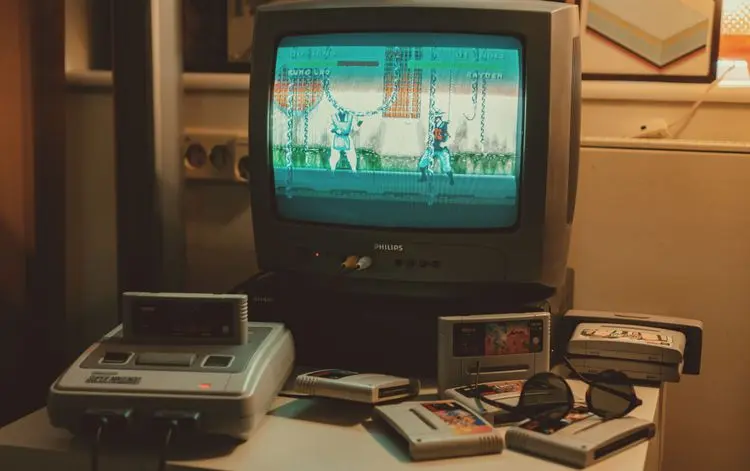
PAL vs NTSC-U vs NTSC-J: Understanding Video Game Region Codes
Unravel the differences between PAL, NTSC-U, and NTSC-J video game regions. Discover how region codes impact gameplay and compatibility. Start your retro gaming journey today!
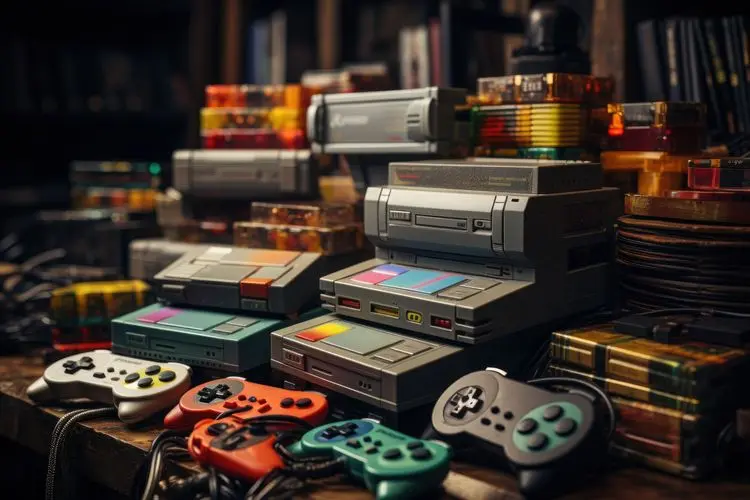
Unlocking Nostalgia: How to Start Your Own Retro Gaming Collection
Discover the joy of retro gaming collection. Tips for beginners. Nostalgic journey through gaming history. Start your adventure today!
Awaiting New Challengers
Join The Bounty Board
Get exclusive first access to rare restocks, graded drops, and secret discount codes before anyone else.