Resident Evil History: A Complete Retrospective of the Survival Horror Series
Published on 2/7/2025
Stepping Back in Time: A Deep Dive into the History of Resident Evil
The chilling growl of a zombie. The creeping dread of an unseen enemy. The desperate scramble for that last green herb. These are the hallmarks of Resident Evil, a franchise that has not only defined the survival horror genre but has also left an indelible mark on the entire video game landscape. Here at RetroBroker, we're passionate about preserving gaming history, and few series boast a history as rich, terrifying, and influential as Resident Evil.
So, grab your shotgun (metaphorically, of course), and let's take a terrifying trip down memory lane, exploring the evolution of this iconic franchise.
The Genesis of Fear: Resident Evil (1996)
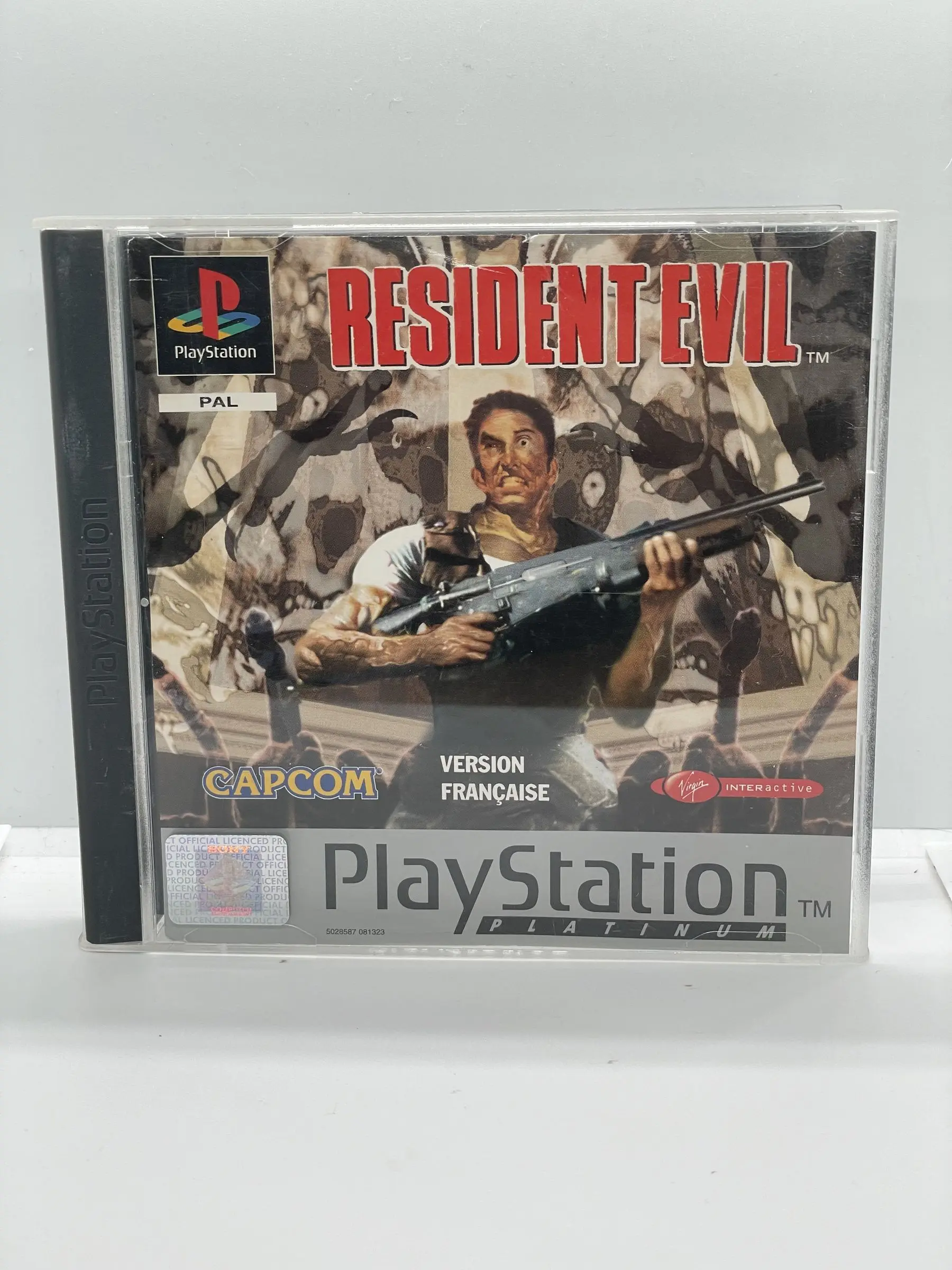
It all began in 1996, with the release of Resident Evil (known as Biohazard in Japan) for the PlayStation. Inspired by earlier horror games like Sweet Home and Alone in the Dark, director Shinji Mikami and his team at Capcom crafted an experience unlike anything seen before. Players were thrust into the role of either Chris Redfield or Jill Valentine, members of the elite S.T.A.R.S. (Special Tactics and Rescue Service) team, investigating strange occurrences in the Arklay Mountains.
What they found was a nightmare: a sprawling mansion filled with undead horrors, cunning traps, and a sinister conspiracy involving the Umbrella Corporation. Resident Evil’s groundbreaking combination of fixed camera angles, limited resources, and genuinely terrifying enemy encounters created a palpable sense of tension and vulnerability. The "tank controls," while often criticized today, were a deliberate design choice, contributing to the feeling of helplessness and making every encounter a desperate fight for survival.
The game's success was monumental. It popularized the term "survival horror," spawned numerous sequels, and established many of the series' core elements: the focus on resource management, puzzle-solving, and exploring intricate environments.
Building the Nightmare: The Golden Age (1998-2004)
The late 90s and early 2000s saw Resident Evil solidify its dominance.
-
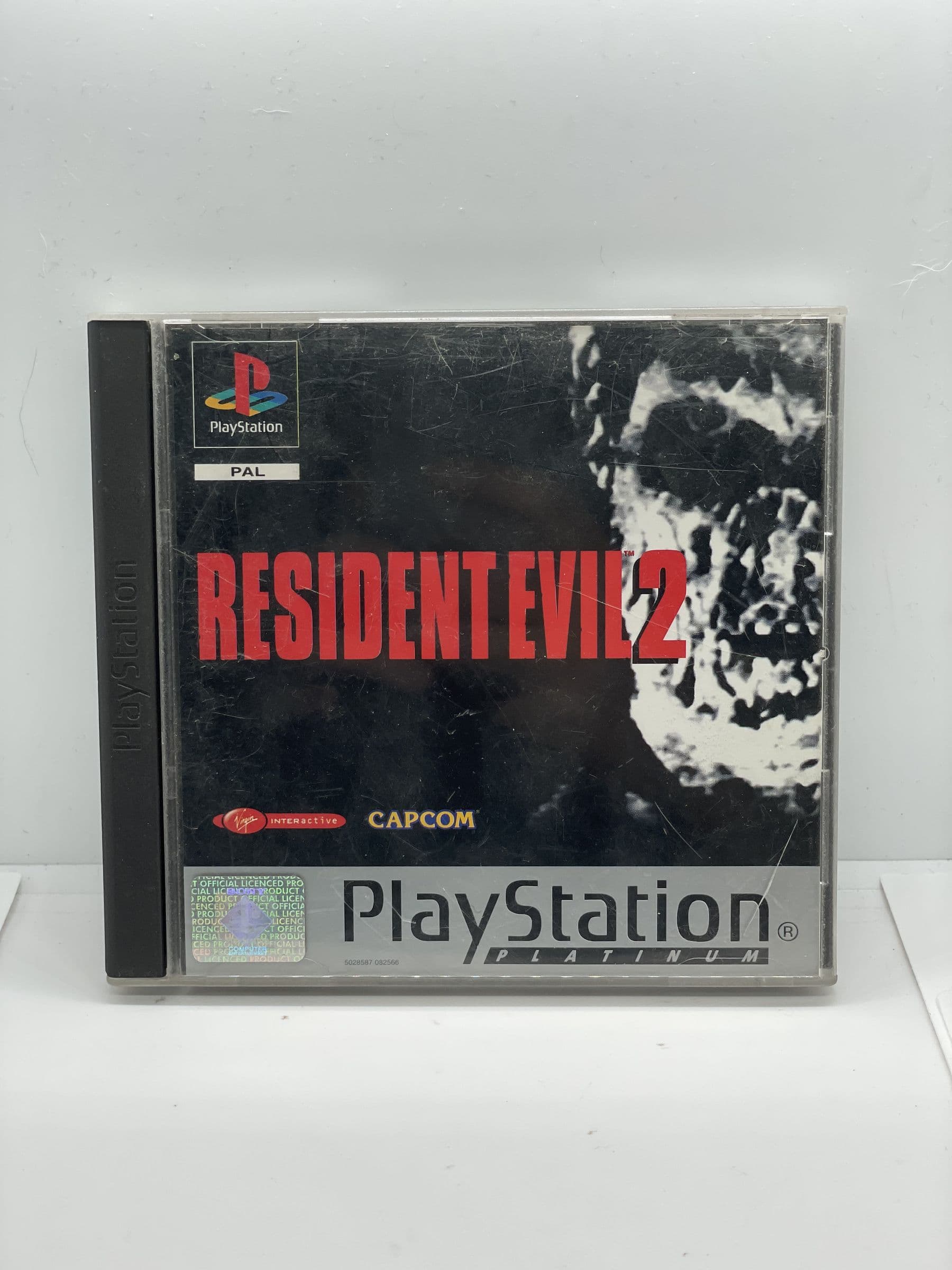
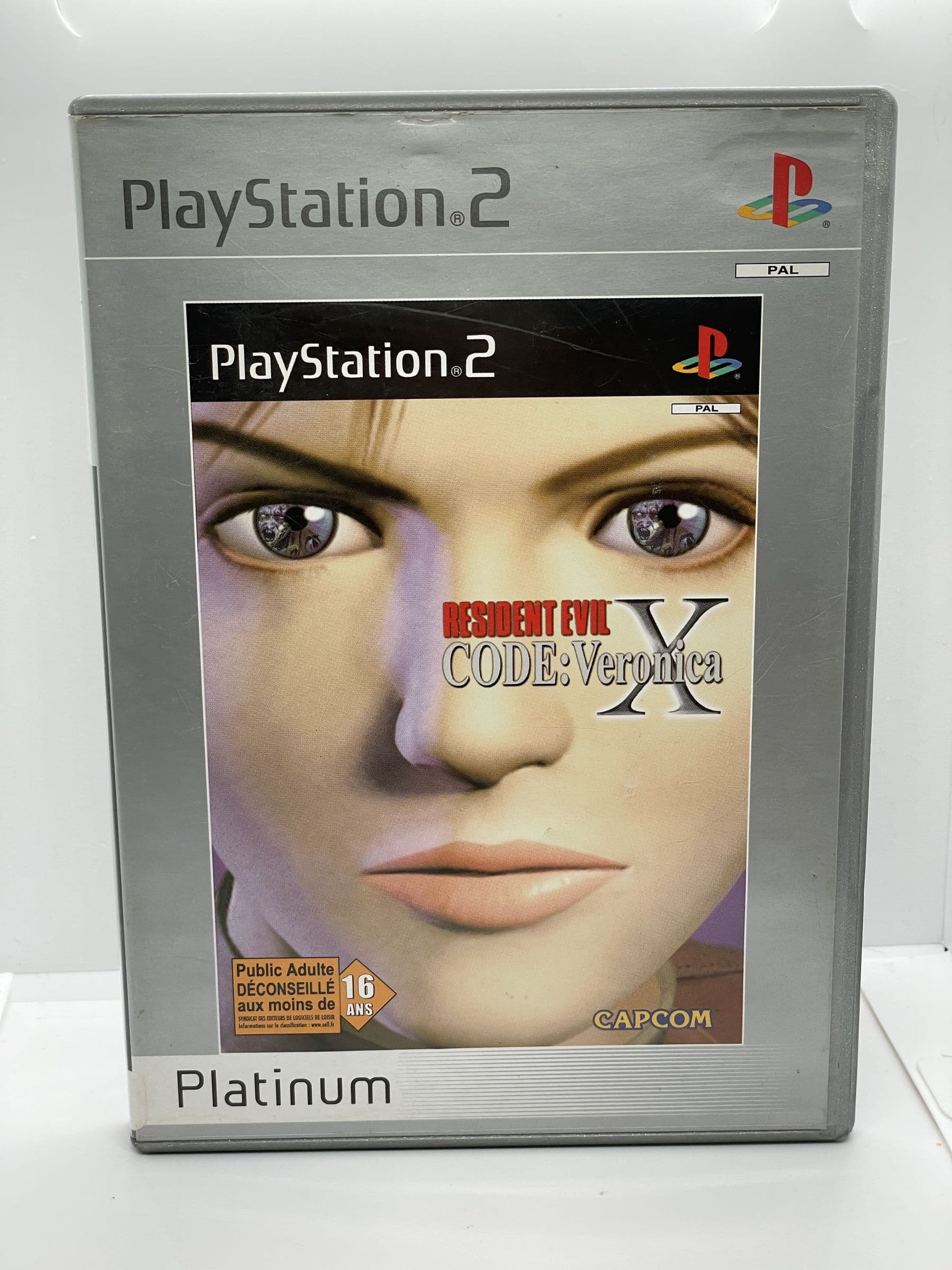
Resident Evil 2 (1998): This sequel expanded upon the original's formula, introducing two new protagonists, Leon S. Kennedy and Claire Redfield, and a larger, more dynamic setting: Raccoon City. The "zapping system" allowed players to experience the story from both perspectives, adding replayability and depth. is widely considered one of the greatest horror games of all time.
Shop the gear from this story
Hand-matched to what you’re reading — tested, and covered by our warranty.
A Shift in Perspective: Resident Evil 4 (2005)
Resident Evil 4 represented a radical departure for the series. Ditching the fixed camera angles and tank controls, the game adopted an over-the-shoulder perspective, emphasizing action and combat. Leon S. Kennedy returned, now a government agent tasked with rescuing the President's daughter from a remote European village.
The enemies were no longer zombies but rather "Ganados," villagers infected with a mind-controlling parasite called Las Plagas. This change in enemy design, combined with the faster-paced gameplay, divided fans. However, Resident Evil 4 was a critical and commercial triumph, influencing countless action games that followed. It's still considered a masterpiece of game design, even by those who prefer the classic survival horror formula.
Action and Evolution: The Modern Era (2007-Present)
The success of Resident Evil 4 led to a period where the series leaned more heavily into action, though the survival horror roots were never completely abandoned.
-
Resident Evil 5 (2009): This installment featured Chris Redfield and his new partner, Sheva Alomar, battling a bioweapon outbreak in Africa. Resident Evil 5 emphasized co-op gameplay, allowing two players to experience the story together.
-
Resident Evil 6 (2012): A more divisive entry, Resident Evil 6 featured multiple campaigns with intertwined storylines, starring various characters from the series' history. While ambitious in scope, it was criticized for its convoluted narrative and excessive focus on action.
-
Resident Evil: Revelations (2012) and Revelations 2 (2015): These spin-off titles attempted to bridge the gap between the classic survival horror and the more action-oriented installments, featuring a mix of exploration, puzzle-solving, and combat.
A Return to Roots: Reclaiming the Horror (2017-Present)
After the mixed reception of Resident Evil 6, Capcom took a step back and reassessed the franchise's direction. The result was a triumphant return to form.
Keep the collection going
More retro finds picked to match this article.
Keep reading
More stories from the Retrobroker blog.
PAL vs NTSC-U vs NTSC-J: Understanding Video Game Region Codes
Unravel the differences between PAL, NTSC-U, and NTSC-J video game regions. Discover how region codes impact gameplay and compatibility. Start your retro gaming journey today!

Unlocking Nostalgia: How to Start Your Own Retro Gaming Collection
Discover the joy of retro gaming collection. Tips for beginners. Nostalgic journey through gaming history. Start your adventure today!
Awaiting New Challengers
Join The Bounty Board
Get exclusive first access to rare restocks, graded drops, and secret discount codes before anyone else.