Resident Evil History: From PS1 Origins to Modern Survival Horror | RetroBroker
Published on 2/7/2025
Stepping Back in Time: A Deep Dive into the History of Resident Evil
The chilling howls, the shuffling undead, the creeping sense of dread… Few franchises have left such an indelible mark on the gaming landscape as Resident Evil. From its groundbreaking debut to its modern reimaginings, the series has consistently redefined survival horror, captivating players with its blend of tense atmosphere, puzzle-solving, and heart-stopping action. Here, at RetroBroker, we're passionate about gaming history, and Resident Evil holds a special place in the pantheon of classics. Let's delve into the terrifyingly rich history of this iconic franchise.
The Genesis of Fear: Resident Evil (1996)
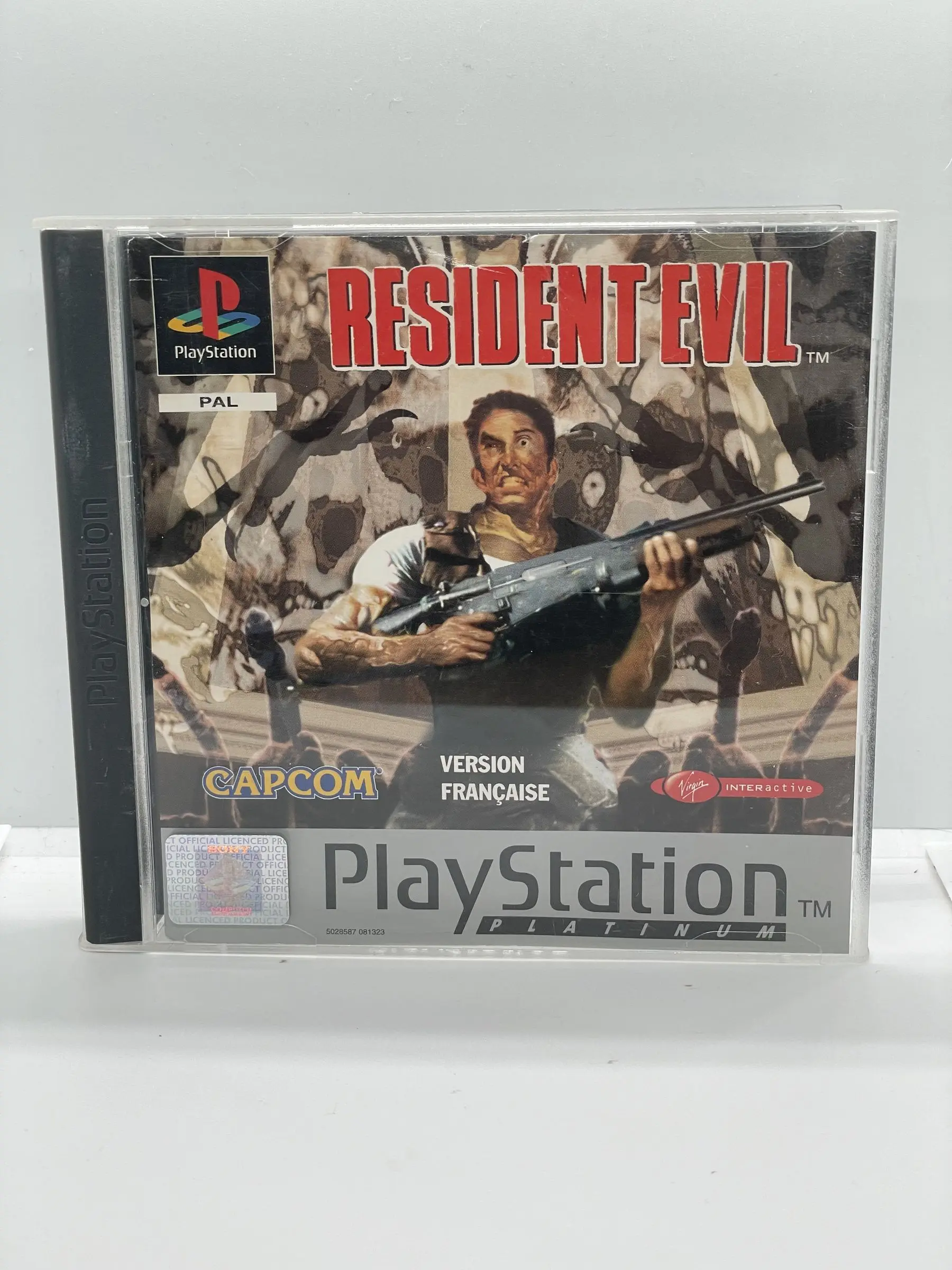
It all began in 1996. Capcom, already a respected name in the industry, unleashed Resident Evil (known as Biohazard in Japan) onto the PlayStation. Inspired by earlier horror games like Sweet Home and classic zombie films, the game introduced players to the S.T.A.R.S. (Special Tactics and Rescue Service) team, investigating a series of bizarre murders in the outskirts of Raccoon City.
Players could choose to control either Chris Redfield or Jill Valentine, navigating the eerie Spencer Mansion, a location that would instantly become synonymous with the franchise. The game's fixed camera angles, limited resources, and deliberately clunky "tank controls" weren't just design choices; they were integral to creating a sense of vulnerability and claustrophobia. Resident Evil wasn't just about shooting zombies; it was about managing inventory, conserving ammo, solving intricate puzzles, and, above all, surviving.
The original Resident Evil was a critical and commercial smash, single-handedly popularizing the survival horror genre. It established many of the series' hallmarks: the iconic zombies, the grotesque mutations, the mysterious Umbrella Corporation, and the blend of action and puzzle-solving that would become a staple.
Building on a Nightmare: Resident Evil 2 (1998)
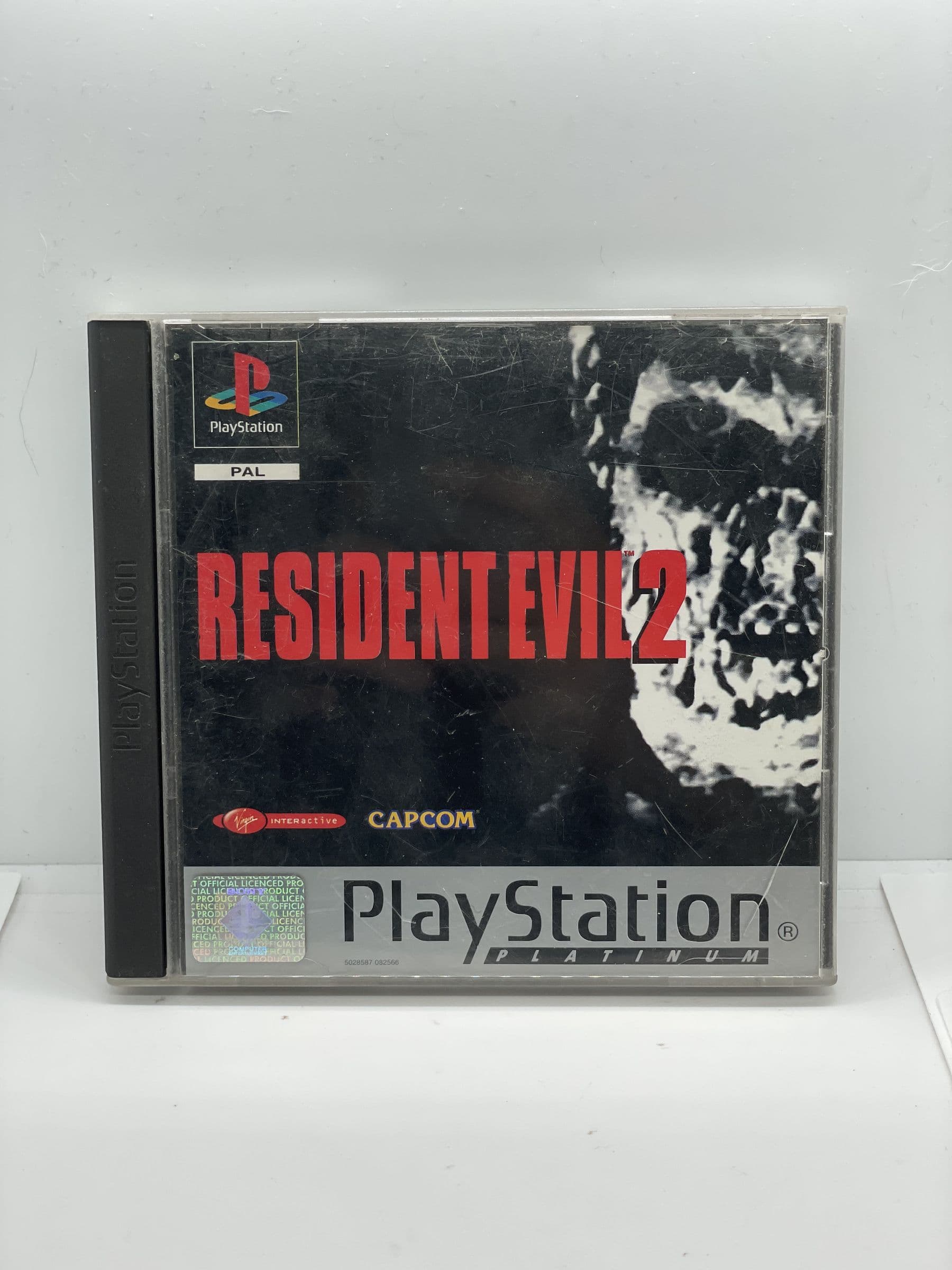
Resident Evil 2, released in 1998, took everything that made the original great and amplified it. The setting shifted from the isolated mansion to the overrun Raccoon City, offering a larger, more diverse environment. Players could choose between two new protagonists: rookie cop Leon S. Kennedy and Claire Redfield, searching for her missing brother, Chris.
The "zapping" system, where actions taken in one character's scenario could affect the other's, added a layer of replayability and interconnected storytelling. introduced iconic creatures like the Licker and the relentless Mr. X (the Tyrant), further solidifying the franchise's reputation for terrifying enemies. The game's improved graphics, expanded story, and refined gameplay cemented its place as one of the greatest survival horror games of all time.
Shop the gear from this story
Hand-matched to what you’re reading — tested, and covered by our warranty.
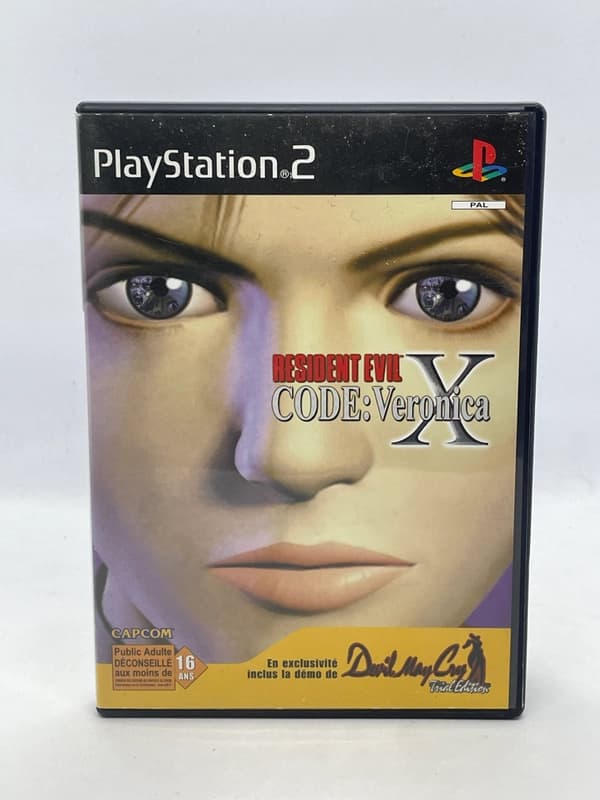
Code: Veronica and a Shift in Perspective (2000-2003)
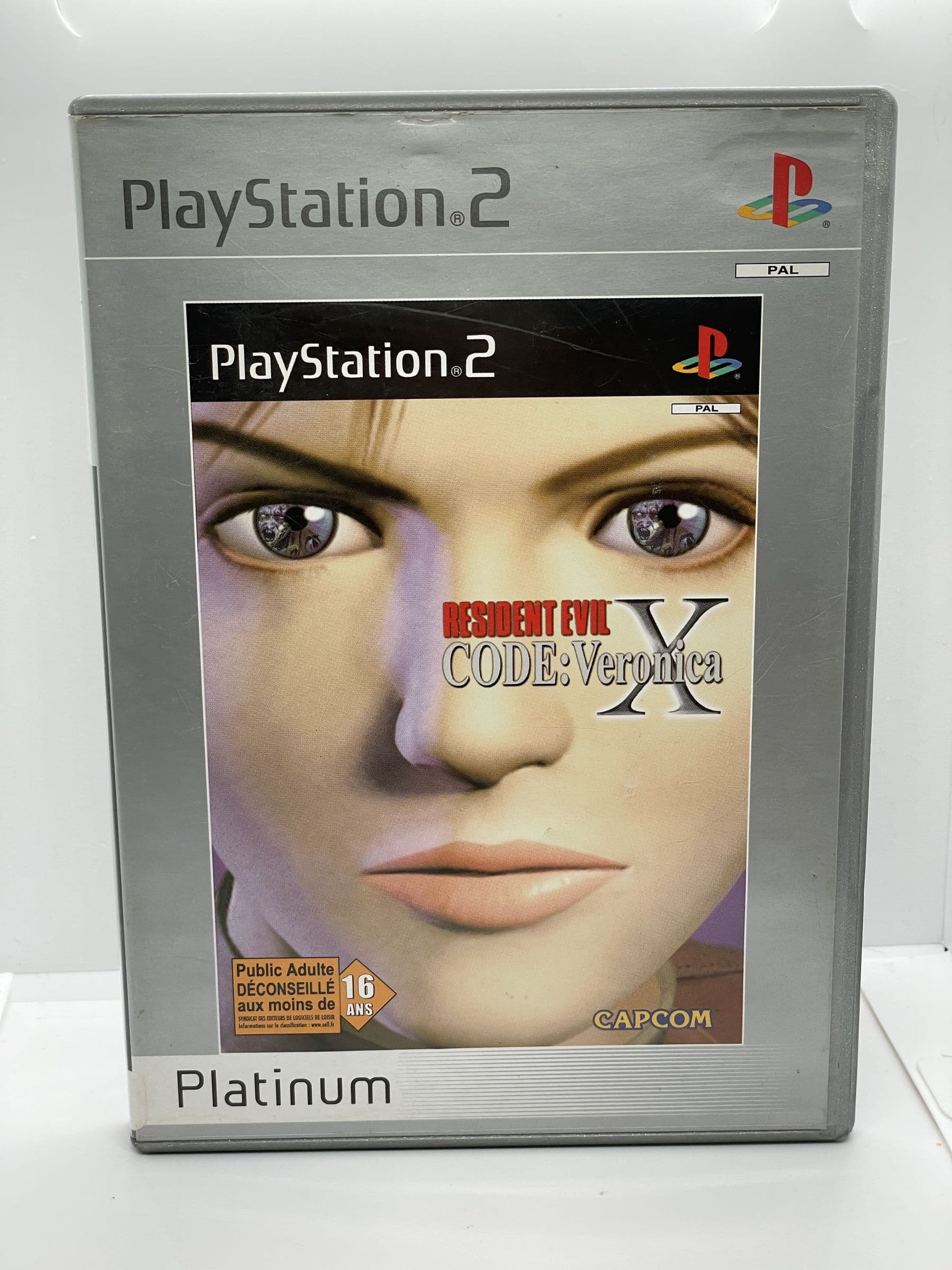
Resident Evil – Code: Veronica (2000), initially released for the Dreamcast, marked a significant visual leap for the series, utilizing fully 3D environments for the first time. The story continued Claire Redfield's journey as she searched for Chris, taking her to a remote island prison and an Antarctic research facility.
This era also saw the release of Resident Evil Survivor (2000), a light-gun spin-off, and Resident Evil Gaiden (2001) on the Game Boy Color, showcasing Capcom's willingness to experiment with the franchise on different platforms and in different genres. While these titles weren't as critically acclaimed as the mainline entries, they demonstrated the growing popularity and versatility of the Resident Evil universe.
The Rebirth: Resident Evil 4 (2005)
After a period of experimentation, Resident Evil 4 (2005) arrived and completely revolutionized the series. Abandoning the fixed camera angles and tank controls, the game adopted an over-the-shoulder perspective, creating a more dynamic and action-packed experience.
Leon S. Kennedy returned as the protagonist, now a government agent tasked with rescuing the President's daughter from a remote European village infected with a mind-controlling parasite called Las Plagas. Resident Evil 4 shifted the focus from traditional zombies to more agile and intelligent enemies, emphasizing strategic combat and resource management in a new way.
The game's impact was immense. It's widely considered one of the greatest video games ever made, influencing countless action and horror games that followed. Resident Evil 4 proved that the franchise could reinvent itself while still retaining its core identity.
Continuing the Legacy: Resident Evil 5, 6, and Beyond (2009-Present)
Resident Evil 5 (2009) continued the over-the-shoulder perspective and introduced co-op gameplay, with Chris Redfield and new partner Sheva Alomar battling a bioweapon outbreak in Africa. Resident Evil 6 (2012) took the action focus even further, featuring multiple interconnected campaigns with different characters and playstyles.
While these titles were commercially successful, some fans felt they strayed too far from the series' survival horror roots. Capcom listened to this feedback, and with Resident Evil 7: Biohazard (2017), the franchise returned to its terrifying origins.
Keep the collection going
More retro finds picked to match this article.
Keep reading
More stories from the Retrobroker blog.
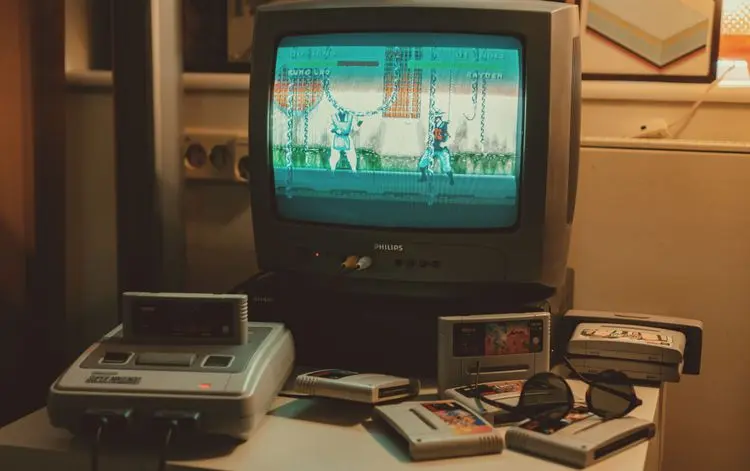
PAL vs NTSC-U vs NTSC-J: Understanding Video Game Region Codes
Unravel the differences between PAL, NTSC-U, and NTSC-J video game regions. Discover how region codes impact gameplay and compatibility. Start your retro gaming journey today!

Unlocking Nostalgia: How to Start Your Own Retro Gaming Collection
Discover the joy of retro gaming collection. Tips for beginners. Nostalgic journey through gaming history. Start your adventure today!
Awaiting New Challengers
Join The Bounty Board
Get exclusive first access to rare restocks, graded drops, and secret discount codes before anyone else.