RGB & Upscaling for Retro Gaming: The Ultimate Guide | RetroBroker
Published on 10/25/2024
A Guide to RGB and Upscaling for Retro Gaming: Reviving the Classics in Vivid Detail
Retro gaming isn't just about nostalgia; it's about experiencing classic games as they were meant to be seen, and sometimes even better. Modern technology allows us to enhance these experiences with RGB and upscaling, breathing new life into pixelated sprites and blocky landscapes. This guide explores these concepts, helping you understand how to get the most out of your retro gaming setup.
Understanding RGB: The Purest Color Signal
Many older consoles, particularly those from the 8-bit and 16-bit eras, output video using an RGB signal. RGB stands for Red, Green, and Blue, the three primary colors of light. By sending these color signals separately, RGB bypasses the composite video encoding process used by standard AV cables, resulting in a cleaner, more accurate image. This means sharper details, more vibrant colors, and reduced artifacts like dot crawl and color bleeding.
Why does this matter? Composite video often muddies the image, making it look softer and less defined. RGB, on the other hand, delivers a crisp, vibrant picture closer to what the developers originally intended. Think of it like listening to a remastered album compared to a worn-out cassette tape.
Upscaling: Bringing Retro to the Modern Age
Upscaling refers to the process of increasing the resolution of a video signal. Retro games were designed for much lower resolutions than today's displays. Simply stretching a low-resolution image onto a high-definition screen results in a blurry, pixelated mess. Upscaling technologies aim to intelligently fill in the missing pixels, creating a sharper and more detailed image on modern TVs.
Shop the gear from this story
Hand-matched to what you’re reading — tested, and covered by our warranty.
There are various upscaling methods, from simple integer scaling (multiplying each pixel) to more sophisticated techniques using algorithms and AI. Each method has its pros and cons, affecting the final image's sharpness, smoothness, and overall aesthetic. Some gamers prefer the crisp pixel-perfect look of integer scaling, while others prefer the smoother, more modern look of advanced upscaling solutions.
Choosing the Right Equipment for RGB and Upscaling:
Getting the best RGB and upscaling experience requires the right hardware. Here are a few key components:
- RGB Cables: These specialized cables carry the separate red, green, and blue signals, ensuring the purest video output from your console. Different consoles require different cables, so research your specific system.
- SCART Cables (for European Systems): SCART is a European standard that can carry RGB signals, as well as composite and S-Video. A high-quality SCART cable is essential for many European consoles.
- Upscalers/Line Doublers: These devices process the video signal, upscaling it to a higher resolution for modern displays. They range from simple line doublers to advanced devices with multiple processing modes and customizable settings.
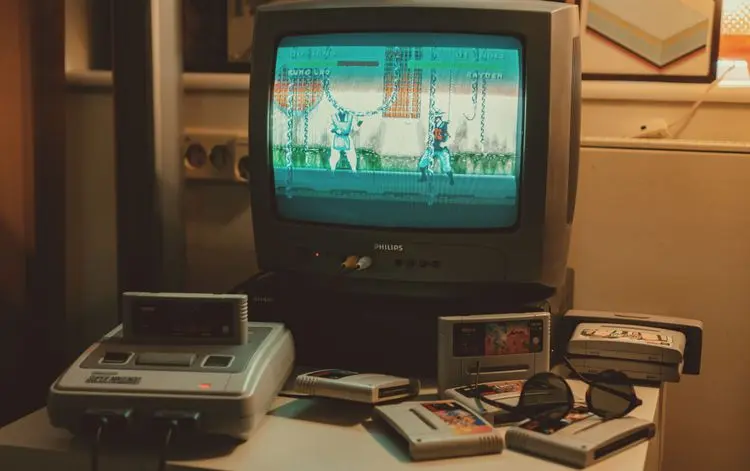
- CRT TVs (Optional): While not strictly necessary for RGB, some purists argue that CRT TVs offer the best experience for retro gaming due to their natural handling of scanlines and analog signals.
Getting Started with RGB and Upscaling:
- Research your console: Find out what type of RGB cable it requires and what upscaling options are available.
- Acquire the necessary hardware: Purchase the appropriate cables and upscaler/line doubler.
- Connect your console: Connect your console to your upscaler and then to your display using the appropriate cables.
- Experiment with settings: Adjust the settings on your upscaler to find the optimal image quality for your preferences.
Conclusion: Preserving the Past, Enhancing the Present
RGB and upscaling are powerful tools for preserving and enhancing the retro gaming experience. By understanding these technologies and investing in the right equipment, you can rediscover your favorite classic games in stunning clarity and vibrant color, bridging the gap between retro charm and modern display technology. Enjoy the journey back in time!
Keep the collection going
More retro finds picked to match this article.
Keep reading
More stories from the Retrobroker blog.
PAL vs NTSC-U vs NTSC-J: Understanding Video Game Region Codes
Unravel the differences between PAL, NTSC-U, and NTSC-J video game regions. Discover how region codes impact gameplay and compatibility. Start your retro gaming journey today!
Unlocking Nostalgia: How to Start Your Own Retro Gaming Collection
Discover the joy of retro gaming collection. Tips for beginners. Nostalgic journey through gaming history. Start your adventure today!
Awaiting New Challengers
Join The Bounty Board
Get exclusive first access to rare restocks, graded drops, and secret discount codes before anyone else.