Spider-Man Games History: Retro Classics to Modern Marvels
Published on 2/7/2025
Swinging Through Time: A Deep Dive into Spider-Man Video Game History
Spider-Man. The name conjures images of web-slinging, wall-crawling, and villain-vanquishing action. But beyond the comics and movies, the friendly neighborhood Spider-Man has enjoyed a long and surprisingly varied history in the world of video games. For retro game enthusiasts, this history is a treasure trove of classic titles, hidden gems, and perhaps a few frustrating missteps. Let's swing through the decades and explore the evolution of Spider-Man in video games!
The Early Days: 8-Bit Adventures and Atari Beginnings (1980s)
Spider-Man's video game journey began, perhaps unsurprisingly, on the Atari 2600. In 1982, Spider-Man tasked players with climbing a skyscraper, rescuing hostages, and defusing bombs planted by the Green Goblin. While simplistic by today's standards, the game captured the core essence of Spider-Man's abilities – climbing and web-slinging – in a surprisingly effective way. The graphics were blocky, the gameplay repetitive, but it was Spider-Man, and for many, it was their first interactive experience with the character.
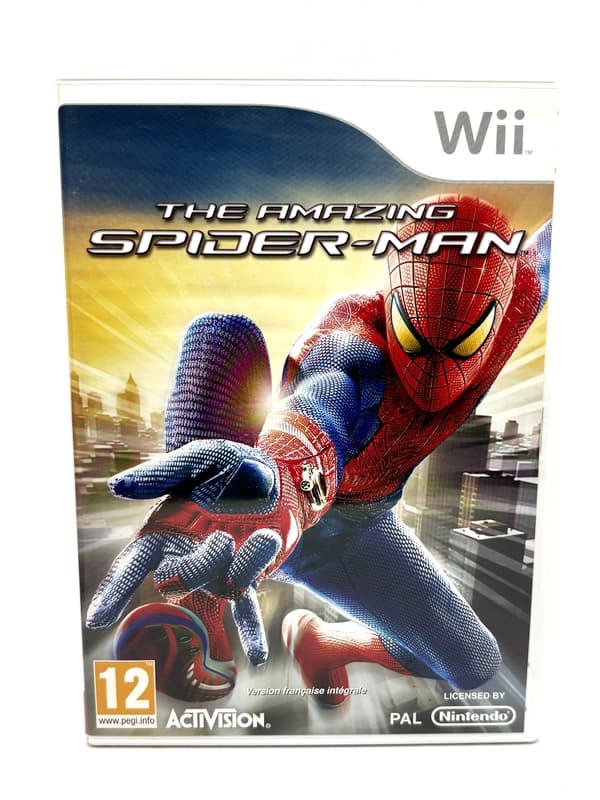
Moving into the late 80s, Spider-Man began appearing on other platforms, including home computers like the Commodore 64 and ZX Spectrum. The Amazing Spider-Man (1989), developed by Rare, saw Spidey facing off against Mysterio in a side-scrolling adventure that featured more detailed graphics and a wider range of abilities. This era also saw the release of Spider-Man and Captain America in Doctor Doom's Revenge! (1989), a crossover title that brought together two iconic Marvel heroes.
The 16-Bit Era: Genesis/SNES Dominance and the Rise of Beat 'Em Ups (1990s)
The 16-bit era was a golden age for superhero games, and Spider-Man was no exception. The Sega Genesis (Mega Drive) and Super Nintendo (SNES) became battlegrounds for some of the most beloved Spider-Man titles.
The Amazing Spider-Man vs. The Kingpin (1990) on the Genesis is often hailed as a classic. It featured impressive (for the time) graphics, multiple villains, and a surprising amount of freedom in its level design. Players could choose different paths through the city, collect web fluid upgrades, and even take photographs to earn money for health refills (a surprisingly prescient mechanic!).
Shop the gear from this story
Hand-matched to what you’re reading — tested, and covered by our warranty.
The SNES saw its own share of Spider-Man greatness. Spider-Man and the X-Men: Arcade's Revenge (1992) offered a unique twist by letting players control not only Spider-Man but also several X-Men characters, each with their own unique levels and abilities.
Perhaps the most iconic Spider-Man games of this era were the beat 'em ups, largely influenced by the popular animated series. Spider-Man: The Animated Series (1995) and Maximum Carnage (1994) (and its sequel, Separation Anxiety (1995)) delivered side-scrolling, button-mashing action that captured the feel of the cartoons perfectly. Maximum Carnage, in particular, is fondly remembered for its red cartridge, its challenging gameplay, and its faithful adaptation of the comic book storyline.
The 3D Revolution: PlayStation and Beyond (Late 1990s - Early 2000s)
The arrival of 3D gaming on the PlayStation and Nintendo 64 marked a turning point for Spider-Man games. Spider-Man (2000), developed by Neversoft (of Tony Hawk's Pro Skater fame), was a landmark title. It featured a fully 3D New York City to explore, a wide range of villains (voiced by actors from the animated series), and, most importantly, fantastic web-swinging mechanics. This game truly made players feel like Spider-Man for the first time.
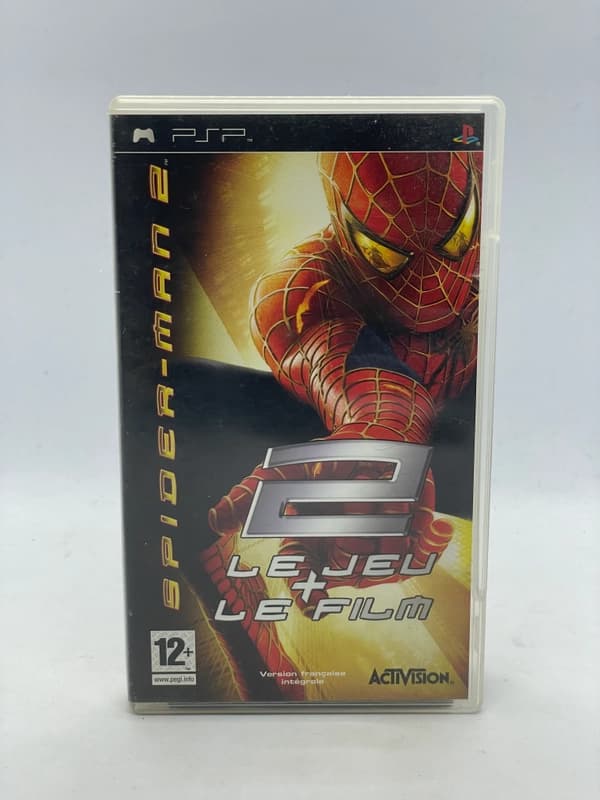
The success of the PlayStation game led to a sequel, Spider-Man 2: Enter Electro (2001), which refined the formula and introduced new villains. The GameCube, PlayStation 2, and Xbox era saw movie tie-in games based on Sam Raimi's Spider-Man trilogy. Spider-Man: The Movie (2002) and Spider-Man 2 (2004) were particularly noteworthy, with Spider-Man 2 receiving widespread acclaim for its revolutionary open-world web-swinging, setting a new standard for superhero games.
The Modern Era: Open Worlds and Continued Innovation (Mid-2000s - Present)
The trend of open-world Spider-Man games continued with titles like Ultimate Spider-Man (2005), which featured a cel-shaded art style inspired by the comic book of the same name, and Spider-Man: Web of Shadows (2008), which introduced a morality system and allowed players to switch between the classic red-and-blue suit and the symbiote suit.
While some games in this era were met with mixed reception, the core appeal of swinging through New York City as Spider-Man remained strong. Games experimented with different gameplay styles, storylines, and even multiple playable Spider-Men from different universes.
Keep the collection going
More retro finds picked to match this article.

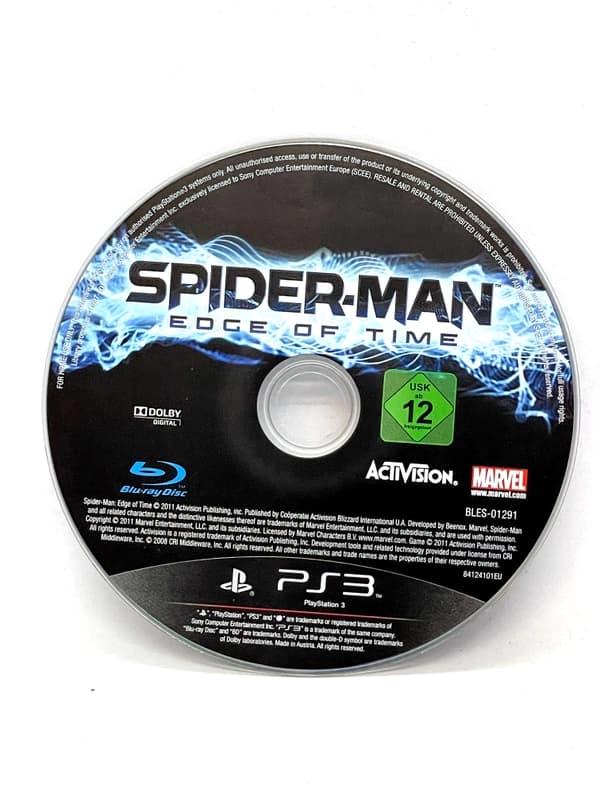
Keep reading
More stories from the Retrobroker blog.
PAL vs NTSC-U vs NTSC-J: Understanding Video Game Region Codes
Unravel the differences between PAL, NTSC-U, and NTSC-J video game regions. Discover how region codes impact gameplay and compatibility. Start your retro gaming journey today!
Unlocking Nostalgia: How to Start Your Own Retro Gaming Collection
Discover the joy of retro gaming collection. Tips for beginners. Nostalgic journey through gaming history. Start your adventure today!
Awaiting New Challengers
Join The Bounty Board
Get exclusive first access to rare restocks, graded drops, and secret discount codes before anyone else.