The Evolution of Handheld Gaming Consoles: From Game & Watch to Nintendo Switch
Published on 10/2/2024
The Evolution of Handheld Gaming Consoles: From Game & Watch to Nintendo Switch
Introduction
The world of gaming has undergone a remarkable transformation since its inception, with one of the most significant developments being the rise of handheld gaming consoles. These portable devices have not only changed how we play games but have also shaped the entire gaming industry. In this comprehensive exploration, we'll journey through the fascinating evolution of handheld gaming consoles, from their humble beginnings to the cutting-edge devices of today.
The Pioneers: Early Handheld Devices (1970s-1980s)
Mattel Auto Race and Football (1976-1977)
The story of handheld gaming begins in the mid-1970s with Mattel's groundbreaking releases. Auto Race (1976) is widely considered the first handheld electronic game, featuring a vertical series of LEDs to represent a car navigating traffic. Football (1977) followed, using a similar LED display but introducing more complex gameplay.
Milton Bradley Microvision (1979)
The Microvision, released in 1979, marked a significant milestone as the first handheld game console with interchangeable cartridges. Despite its short lifespan due to technical limitations, it laid the groundwork for future portable gaming systems.
Nintendo Game & Watch Series (1980-1991)
Nintendo's entry into the handheld market came with the Game & Watch series. These single-game devices featured LCD screens and a clock function, making them practical as well as entertaining. Popular titles like "Donkey Kong" and "Mario Bros." helped establish Nintendo as a major player in the portable gaming space.
The Game Boy Era: Nintendo's Dominance (1989-2003)
Original Game Boy (1989)
The launch of the Nintendo Game Boy in 1989 revolutionized handheld gaming. Its robust design, long battery life, and an impressive game library, including the addictive "Tetris," made it an instant success. The Game Boy's popularity persisted for over a decade, selling over 118 million units worldwide.
Atari Lynx and Sega Game Gear: The Failed Competitors
While technologically superior in some aspects, both the Atari Lynx (1989) and Sega Game Gear (1990) failed to dethrone the Game Boy. Their color screens and more powerful hardware were offset by higher prices, poor battery life, and smaller game libraries.
Game Boy Color (1998)
The Game Boy Color brought vibrant visuals to Nintendo's handheld line while maintaining backwards compatibility with original Game Boy titles. This strategic move helped Nintendo maintain its market dominance.
Shop the gear from this story
Hand-matched to what you’re reading — tested, and covered by our warranty.

Sony's Entry: PlayStation Portable (PSP) (2004)
Sony's PSP aimed to bring console-quality gaming to the handheld market. Its powerful hardware and multimedia capabilities, including a widescreen display and UMD drive, positioned it as a premium alternative to Nintendo's offerings.
Nintendo 3DS (2011)
Building on the success of the DS, the 3DS introduced glasses-free 3D technology. While the 3D feature had mixed reception, the console's strong game library and improved online features made it a worthy successor to the DS line.
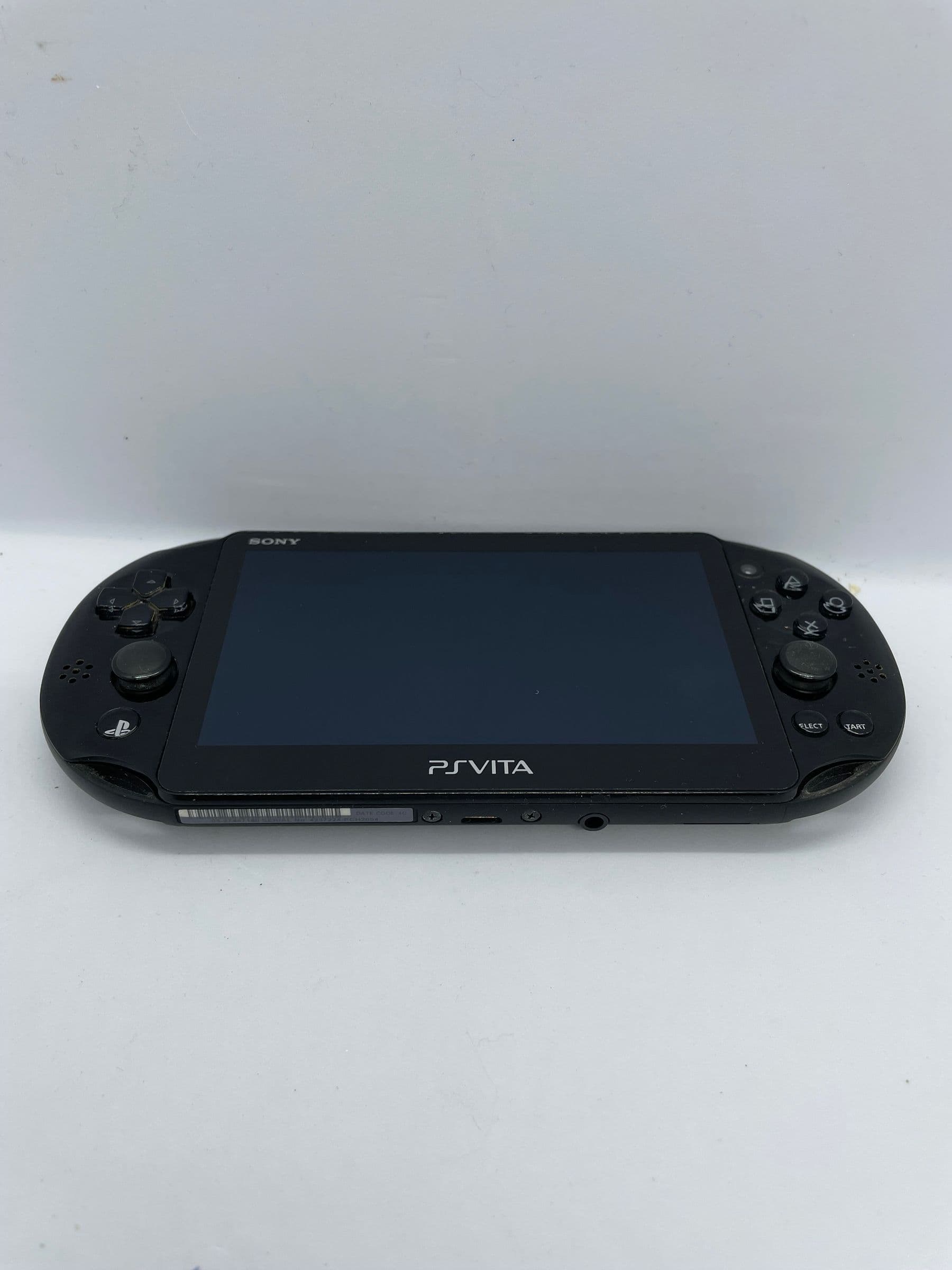
PlayStation Vita (2011)
Sony's follow-up to the PSP boasted impressive graphics and dual analog sticks, addressing a common criticism of its predecessor. However, despite its technical prowess, the Vita struggled to capture a significant market share.
Smartphones and the Mobile Gaming Revolution
The rise of smartphones, particularly following the iPhone's introduction in 2007, dramatically impacted the handheld gaming landscape. The convenience of having games on a device people already carried, combined with the ease of digital distribution through app stores, led to an explosion in casual gaming. This shift posed significant challenges to dedicated handheld consoles.
Modern Handheld Consoles: Blurring the Lines (2017-Present)
Nintendo Switch (2017): Handheld-Console Hybrid
The Nintendo Switch represented a paradigm shift in console design, functioning as both a home console and a portable device. Its success demonstrated the enduring appeal of dedicated gaming hardware in the smartphone era.
Nintendo Switch Lite (2019): Return to Pure Handheld Form
The Switch Lite, a more affordable, portable-only version of the Switch, reaffirmed Nintendo's commitment to the handheld market.
Steam Deck (2022): PC Gaming Goes Portable
Valve's entry into the handheld market with the Steam Deck brought the vast library of PC games to a portable form factor, appealing to a different segment of the gaming audience.
The Future of Handheld Gaming
Cloud Gaming and Its Potential Impact
Services like Google Stadia, Xbox Cloud Gaming, and NVIDIA GeForce Now are pushing the boundaries of what's possible in portable gaming, potentially reducing the need for powerful local hardware.
Augmented Reality (AR) and Virtual Reality (VR) in Portable Devices
Keep the collection going
More retro finds picked to match this article.

Keep reading
More stories from the Retrobroker blog.
PAL vs NTSC-U vs NTSC-J: Understanding Video Game Region Codes
Unravel the differences between PAL, NTSC-U, and NTSC-J video game regions. Discover how region codes impact gameplay and compatibility. Start your retro gaming journey today!
Unlocking Nostalgia: How to Start Your Own Retro Gaming Collection
Discover the joy of retro gaming collection. Tips for beginners. Nostalgic journey through gaming history. Start your adventure today!
Awaiting New Challengers
Join The Bounty Board
Get exclusive first access to rare restocks, graded drops, and secret discount codes before anyone else.