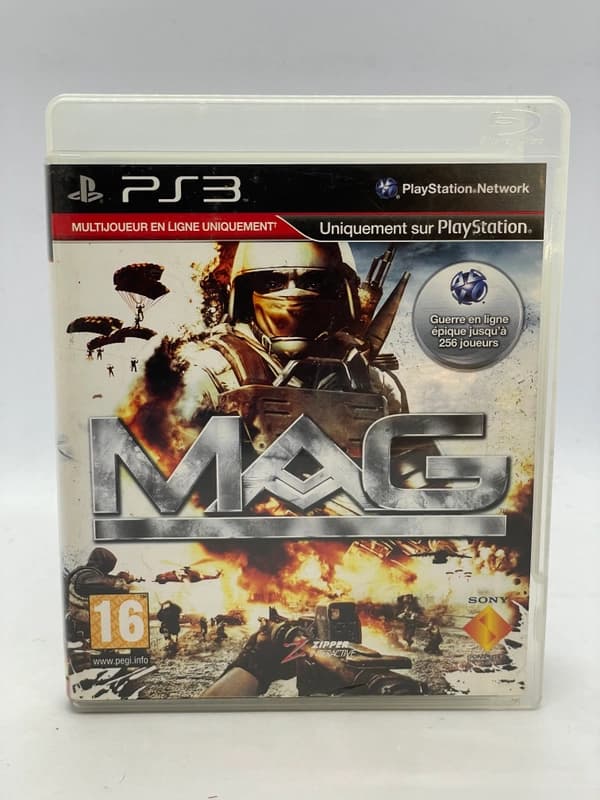
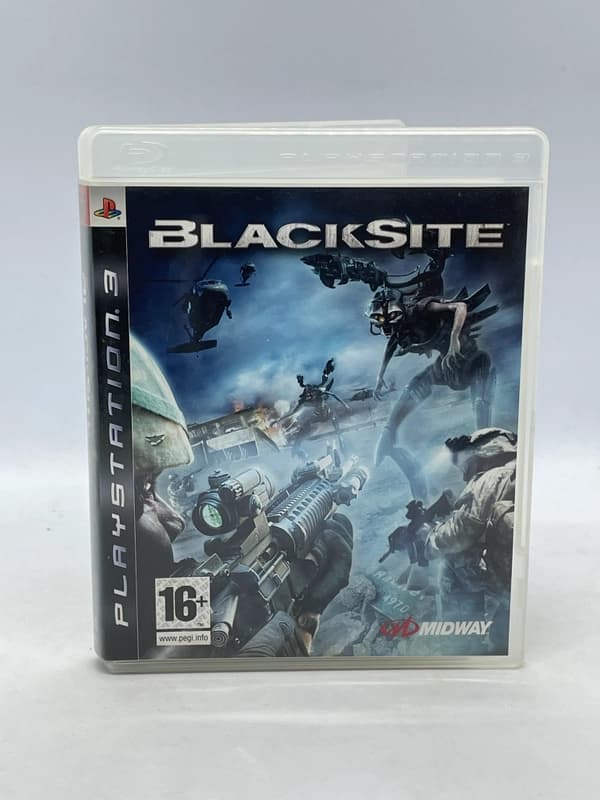
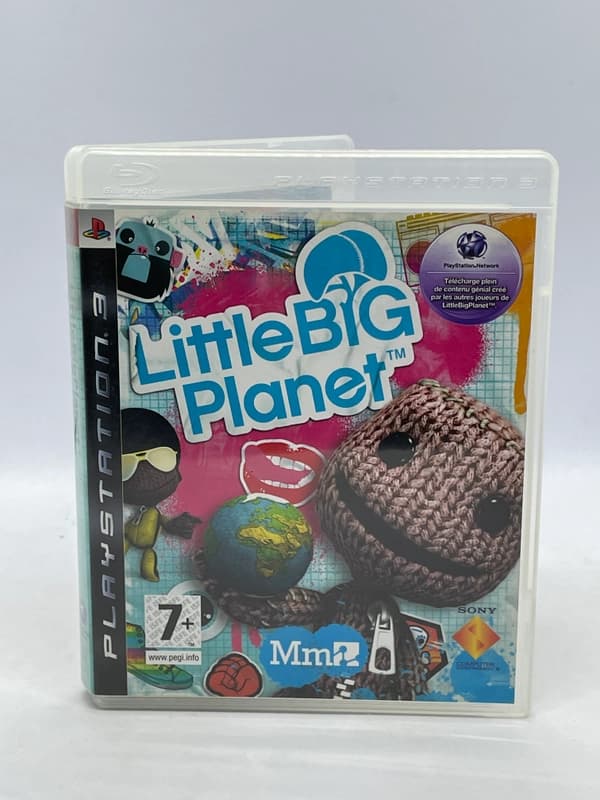
PS3 Emulation vs. Original Console: Why Emulation Falls Short
Published on February 7, 2025
The Rose-Tinted Glasses Come Off: Why PS3 Emulation Can't Beat the Real Deal
The PlayStation 3. A powerhouse of its time, home to iconic franchises like Uncharted, The Last of Us, Metal Gear Solid 4, and Gran Turismo 5. The allure of revisiting these classics on your PC, through the magic of emulation, is strong. We get it. But at RetroBroker.com, where we live and breathe authentic retro gaming experiences, we have to be honest: PS3 emulation, while technically impressive, falls drastically short of playing on the original hardware.
Let's dive into why firing up a real PS3, complete with that iconic startup chime, is still the only way to truly experience these games as they were intended.
1. The Performance Paradox: Power Doesn't Equal Perfection
One of the biggest misconceptions about emulation is that a powerful PC automatically guarantees a superior experience. While a top-of-the-line rig is certainly required to even attempt PS3 emulation (the PS3's Cell processor architecture is notoriously complex to emulate), it doesn't guarantee smooth sailing.
Here's the reality:
- Stuttering and Frame Rate Drops: Even with a beastly PC, you're likely to encounter frequent stuttering, frame rate drops, and inconsistent performance. Certain games, particularly those that pushed the PS3's hardware to its limits, can become practically unplayable, even on high-end systems.
- Graphical Glitches and Artifacts: Emulation is never perfect. Expect visual glitches, textures not loading correctly, strange lighting effects, and other visual anomalies that break immersion and detract from the overall experience.
- Audio Issues: Sound problems, ranging from crackling audio to complete sound dropouts, are common occurrences in PS3 emulation. This can ruin crucial atmospheric moments or make dialogue inaudible.
- Input Lag: The delay between your controller input and the on-screen action can be significantly higher in emulation, making games that require precise timing (like fighting games or rhythm games) frustrating to play.
2. The Complexity Conundrum: A Technical Minefield
Explore products
Explore more products from our catalogue.
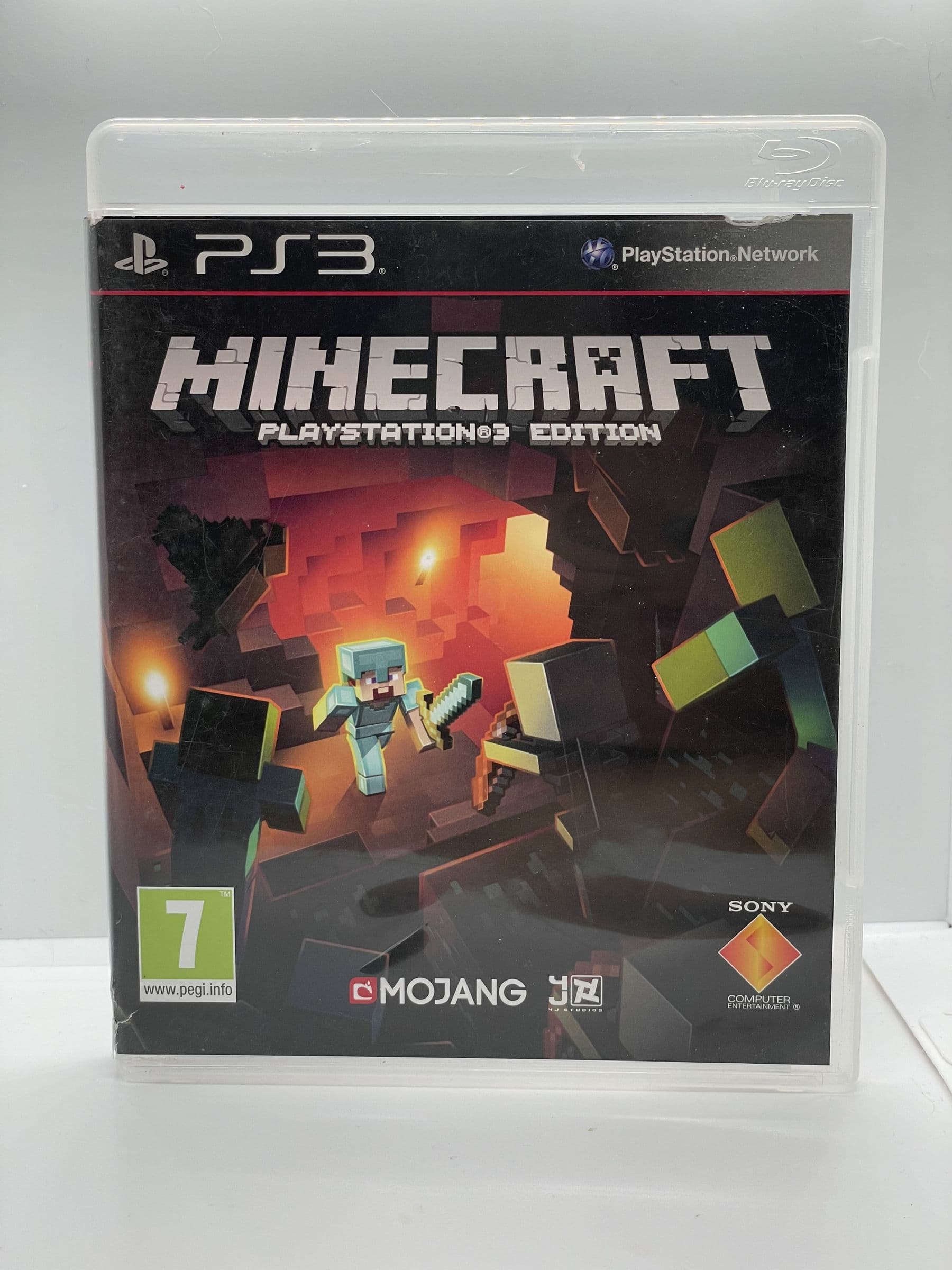
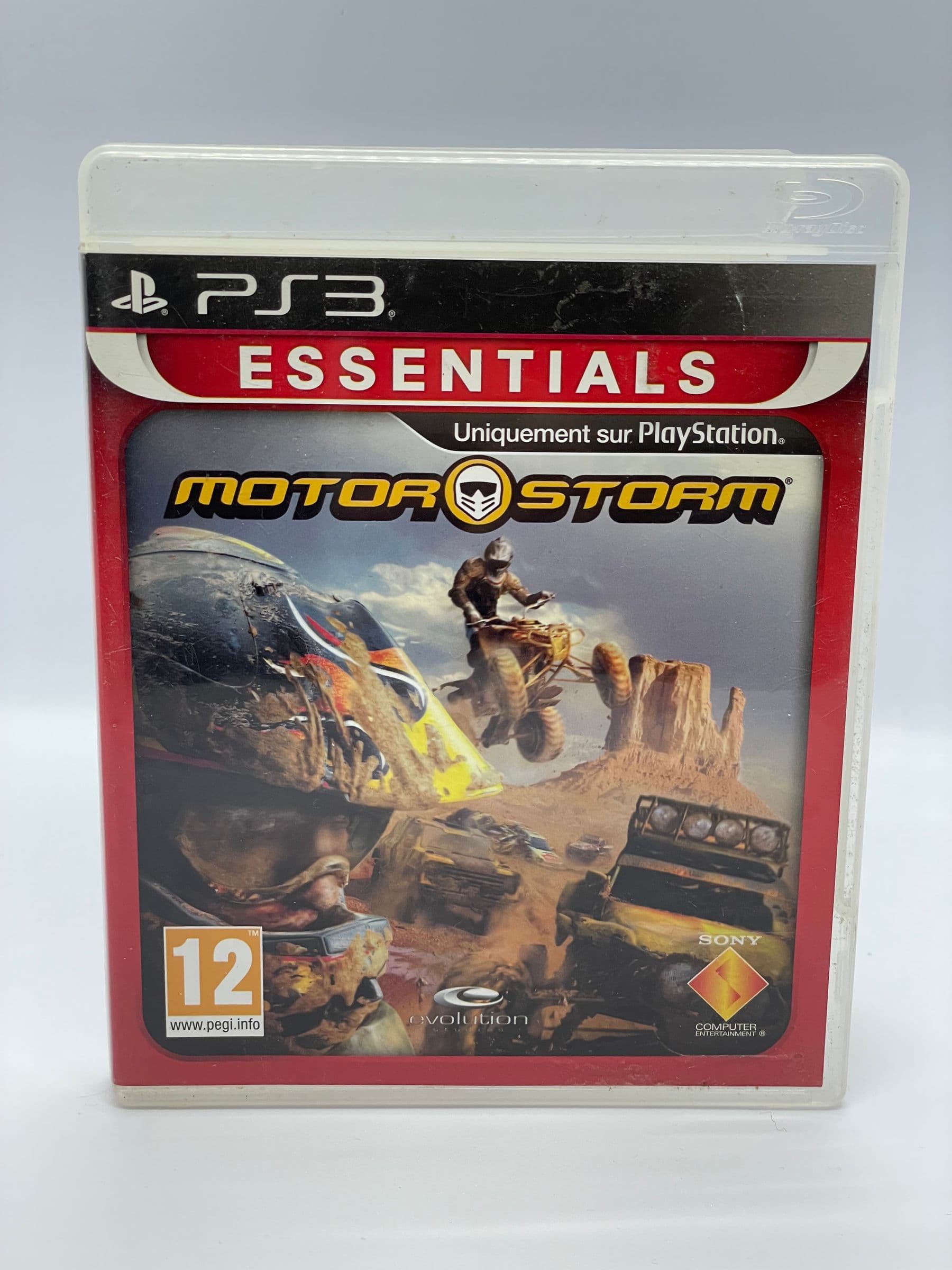
Setting up a PS3 emulator is not for the faint of heart. It's not a simple "download and play" situation. Prepare yourself for a potentially lengthy and frustrating process involving:
- BIOS Acquisition: You'll need to obtain a legitimate PS3 BIOS file, which can be a legal gray area.
- Constant Tweaking: Emulation requires constant tweaking of settings, plugins, and configurations to try and achieve optimal performance for each individual game. What works for one game might completely break another.
- Compatibility Roulette: Not all PS3 games are compatible with emulators. Even those that are "playable" might have significant issues that make them far from enjoyable.
- Ongoing Updates and Patches: Emulators are constantly being developed and updated, which means you'll need to stay on top of the latest versions and patches to potentially fix issues (or introduce new ones!).
3. The Authenticity Argument: Missing the Soul of the PS3
Beyond the technical hurdles, there's a fundamental element missing when you emulate: the authentic PS3 experience.
- The DualShock 3: The feel of the DualShock 3 controller, with its pressure-sensitive buttons and SIXAXIS motion control, is integral to many PS3 games. While you can connect a DualShock 3 to your PC, the experience is often not perfectly replicated.
- The PS3 Operating System: Navigating the XrossMediaBar (XMB), the PS3's iconic user interface, is part of the charm. Emulation bypasses this, stripping away a layer of the console's personality.
- The Physical Media: There's something special about inserting a physical Blu-ray disc into your PS3. It's a tangible connection to the game that's lost with digital ROMs.
- The Original Hardware Feel: The sleek design of the PS3, the whir of the disc drive, the startup sound – these are all small details that contribute to the overall experience, and they're simply absent in emulation.
4. The Stability Struggle: Crashes and Freezes
Emulation, by its very nature, is less stable than playing on original hardware. Prepare for: