Retro Console Hardware Anatomy: How Classic Systems Were Built
Published on October 25, 2024
The Anatomy of Retro Console Hardware: How Classic Systems Were Built
For many, the shimmering pixels and synthesized sounds of retro video games evoke a powerful nostalgia. But beyond the captivating gameplay and iconic characters, lies a fascinating world of hardware engineering. This blog post delves into the anatomy of retro consoles, exploring the ingenious technology that powered our childhood gaming experiences.
The 8-Bit Era: Simplicity and Innovation
The 8-bit era, dominated by consoles like the NES and Master System, represents a pivotal moment in gaming history. These systems utilized relatively simple hardware compared to today's standards, but their ingenuity lay in maximizing limited resources.
- The CPU: The central processing unit, or CPU, acted as the console's brain, executing instructions and controlling game logic. 8-bit CPUs, like the Ricoh 2A03 in the NES, were limited in processing power but were surprisingly versatile.
- Memory: RAM (Random Access Memory) held temporary game data, allowing the CPU to quickly access information. ROM (Read-Only Memory) cartridges contained the game code itself. Limited memory capacities pushed developers to create incredibly efficient code.
- Graphics Processing Unit (PPU): Responsible for generating the visuals, the PPU was a crucial component. The NES's PPU, for example, could display a limited color palette and resolutions, but clever programming techniques created memorable visuals.
- Sound Chip: Dedicated sound chips generated the characteristic bleeps and bloops of 8-bit soundtracks. These chips, while simple, offered surprising depth and became iconic in their own right.
The 16-Bit Revolution: A Leap Forward
Explore products
Explore more products from our catalogue.

The 16-bit era, ushered in by the SNES and Sega Genesis, brought significant advancements in processing power and graphical capabilities.
- Enhanced CPUs: 16-bit CPUs, like the Motorola 68000 in the Genesis, allowed for more complex game logic, larger game worlds, and improved AI.
- Increased Memory: Larger RAM capacities enabled developers to create richer game experiences with more detailed graphics and sound.
- Advanced Graphics: 16-bit consoles boasted improved color palettes, higher resolutions, and hardware support for scrolling and other visual effects, resulting in more immersive gaming experiences.
- Improved Sound Capabilities: More sophisticated sound chips provided higher quality audio, enabling more complex soundtracks and sound effects.
Beyond 16-Bit: The Dawn of 3D
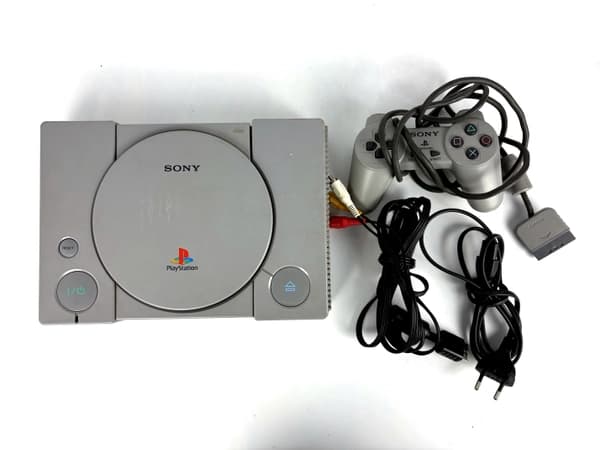
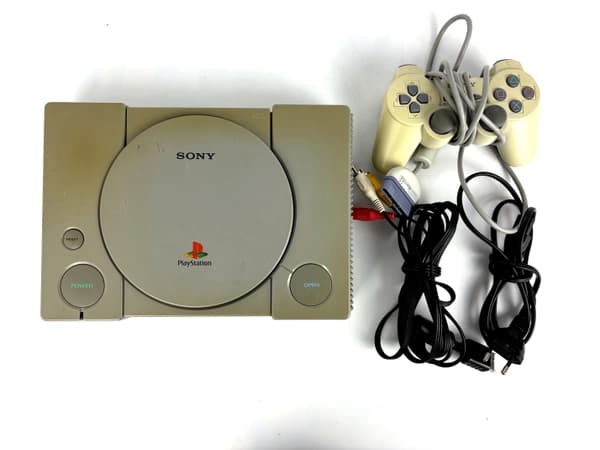
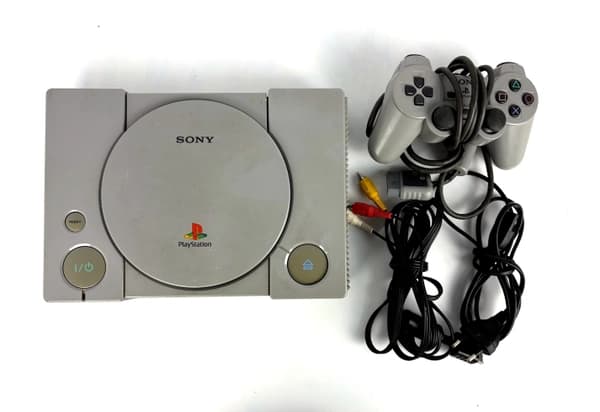
The transition to 3D gaming with consoles like the PlayStation and Nintendo 64 marked another major leap. These systems incorporated specialized hardware for rendering 3D graphics.
- Powerful CPUs: These consoles utilized more advanced CPUs capable of handling the complex calculations required for 3D graphics.
- Dedicated Graphics Processors: The introduction of dedicated GPUs allowed for real-time 3D rendering, revolutionizing game visuals.
- Increased Memory Bandwidth: Faster data transfer rates enabled the system to handle the large amounts of data required for 3D graphics.
- Optical Media: The shift to CD-ROMs provided vastly increased storage capacity, allowing for larger game worlds, higher quality audio, and full-motion video cutscenes.
The Legacy of Retro Hardware
Understanding the hardware limitations and ingenious solutions employed by developers gives us a deeper appreciation for retro games. The creativity born from these constraints led to innovative gameplay mechanics, memorable soundtracks, and iconic pixel art that continues to inspire game developers today. Collecting and playing these classic systems allows us to connect with gaming history and experience firsthand the evolution of video game technology. It's a testament to the enduring power of clever engineering and creative game design.