Silent Hill History: Unveiling the Origins of Survival Horror | RetroBroker
Published on February 7, 2025
Descending into Darkness: A Deep Dive into the History of Silent Hill
For retro game enthusiasts, certain titles evoke a specific feeling, a shiver of nostalgia mixed with a thrill of the experience. Few games accomplish this quite like the Silent Hill series. A cornerstone of the survival horror genre, Silent Hill didn't just scare players; it unnerved them, burrowing deep into their psyches with its unsettling atmosphere, psychological storytelling, and truly disturbing creature designs. At RetroBroker, we often see the demand for these classic titles, so let's delve into the foggy history of this iconic franchise.
The Genesis of Fear: Silent Hill (1999 - PlayStation)
The story begins with Team Silent, an internal development group within Konami. Tasked with creating a game that would appeal to the Western market, they crafted something truly unique. Silent Hill, released for the original PlayStation in 1999, introduced players to Harry Mason, a man searching for his missing daughter Cheryl in the titular, fog-shrouded town.
What set Silent Hill apart was its focus on psychological horror rather than jump scares. The thick fog, a technical limitation cleverly used to mask the PlayStation's draw distance, became a defining characteristic, creating a constant sense of unease and claustrophobia. The radio static, alerting players to nearby monsters, became an iconic sound, instantly raising tension.
The game's narrative, exploring themes of loss, guilt, and the occult, was far more complex than most games of the era. The disturbing creature designs, born from the twisted psyche of the town and its inhabitants, were truly nightmare-inducing. Silent Hill was a critical and commercial success, establishing a new standard for survival horror.
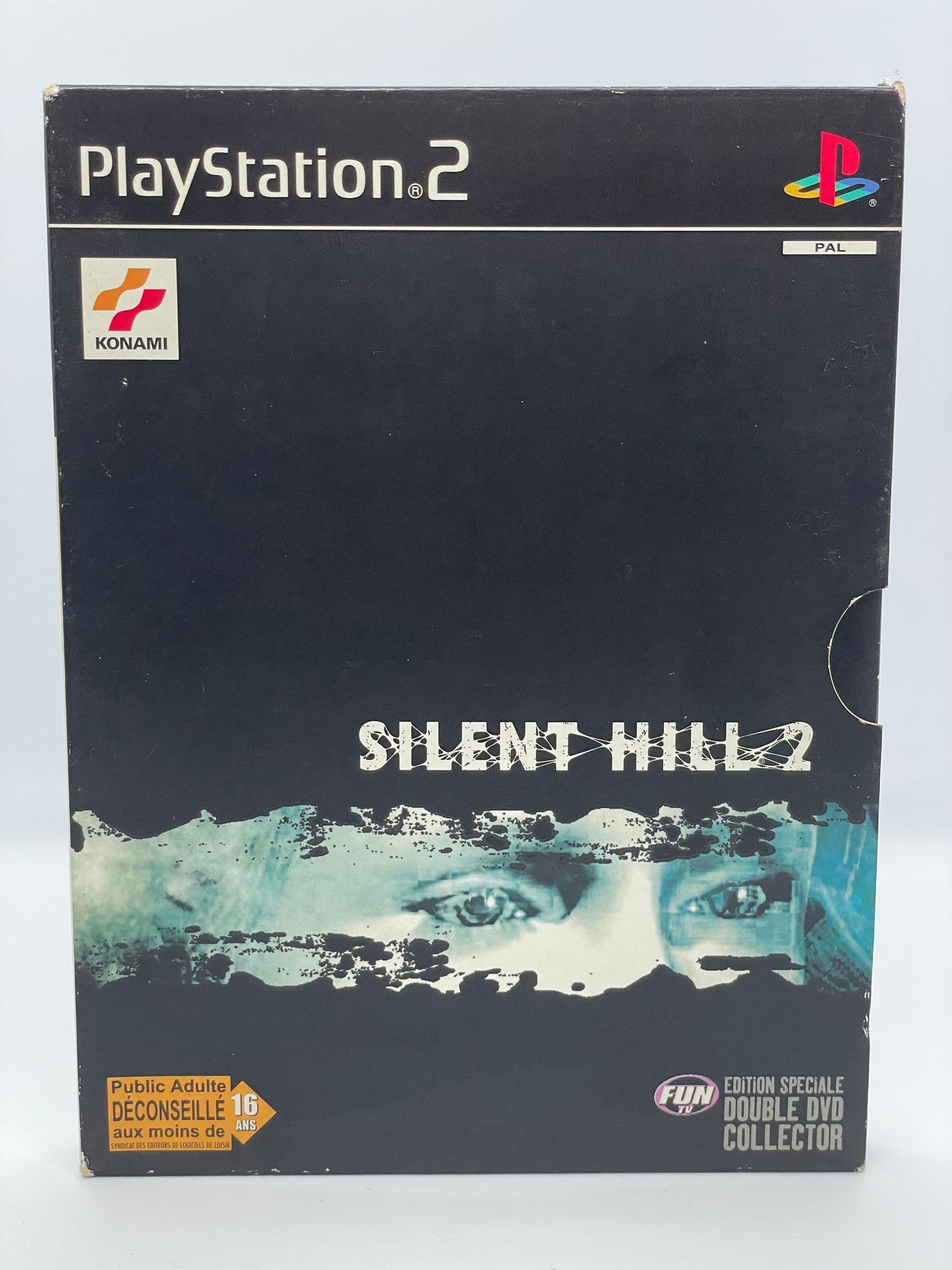
Refining the Nightmare: Silent Hill 2 (2001 - PlayStation 2, Xbox, PC)
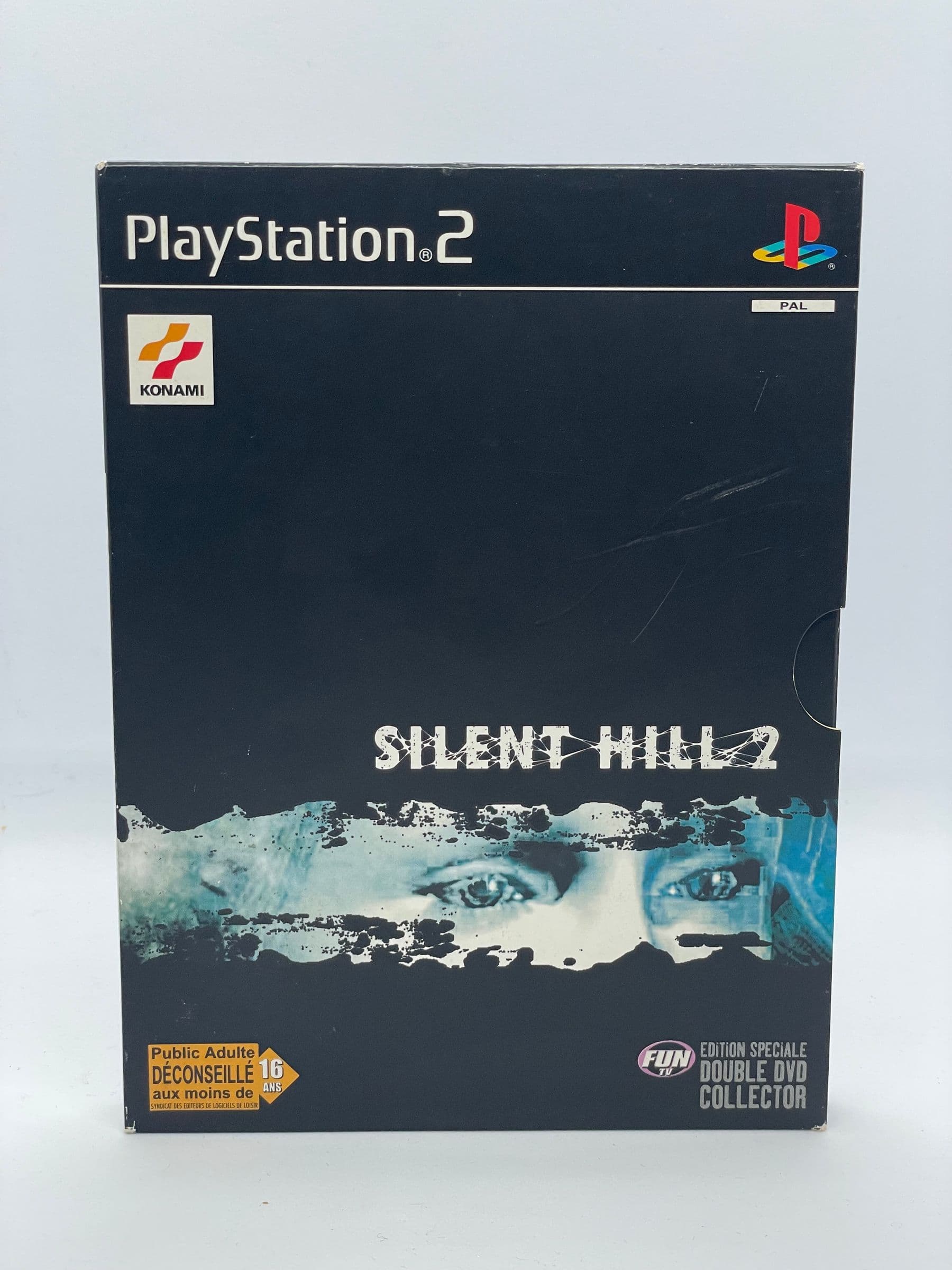
Widely considered the pinnacle of the series, Silent Hill 2 arrived in 2001, further refining the psychological horror formula. This time, players controlled James Sunderland, a man drawn to Silent Hill by a letter from his deceased wife.
Silent Hill 2 delved even deeper into the psychological aspects of horror, with the town itself manifesting James's inner turmoil and guilt. The monsters, including the iconic Pyramid Head, were symbolic representations of his repressed emotions and desires. The narrative was ambiguous, open to interpretation, and incredibly impactful, leaving a lasting impression on players long after the credits rolled.
The improved graphics of the PlayStation 2 allowed for even more detailed and disturbing environments and creature designs. The soundtrack, composed by Akira Yamaoka, was equally haunting, perfectly complementing the game's unsettling atmosphere. Silent Hill 2 is often cited as one of the greatest video games of all time, a testament to its profound impact on the genre.
Explore products
Explore more products from our catalogue.
Expanding the Lore: Silent Hill 3 (2003 - PlayStation 2, PC)
Silent Hill 3, released in 2003, served as a direct sequel to the original Silent Hill, following Heather Mason, a teenager who discovers her connection to the town's dark history.
While maintaining the series' signature psychological horror, Silent Hill 3 also featured more action-oriented gameplay. The narrative explored the cult's origins and the events that transpired after the first game. The creature designs remained terrifying, and the environments were even more detailed and grotesque.
Silent Hill 3 continued to push the boundaries of the genre, solidifying the series' reputation for delivering truly unsettling and thought-provoking experiences.
The Shifting Fog: Silent Hill 4: The Room (2004 - PlayStation 2, Xbox, PC)
Silent Hill 4: The Room, released in 2004, marked a departure from the established formula. While still set within the Silent Hill universe, the game centered on Henry Townshend, a man trapped in his apartment, which becomes a portal to various nightmarish worlds.
Silent Hill 4 introduced new gameplay mechanics, including a first-person perspective within Henry's apartment and a limited inventory system. The narrative was more linear than previous entries, focusing on the mystery of Henry's confinement and the disturbing events unfolding around him.
While still a chilling experience, Silent Hill 4 received mixed reviews, with some praising its unique approach and others criticizing its departure from the series' core elements.
The Later Years: A Mixed Legacy
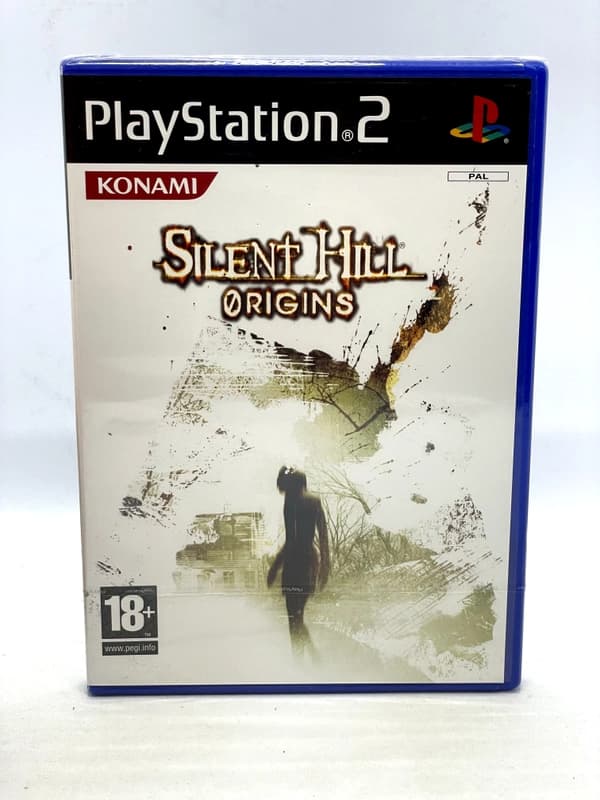
After Silent Hill 4, the development of the series was handed to various external studios, resulting in a mixed bag of sequels and spin-offs. Titles like Silent Hill: Origins (2007), Silent Hill: Homecoming (2008), and Silent Hill: Shattered Memories (2009) attempted to recapture the magic of the original games, with varying degrees of success.
Silent Hill: Downpour (2012) was the last major console release in the series, and while it had some interesting ideas, it failed to fully reignite the franchise. The cancellation of Silent Hills, a highly anticipated collaboration between Hideo Kojima and Guillermo del Toro (teased with the playable teaser ), was a significant blow to fans.