Best PlayStation JRPGs by Generation: A Collector's Guide
Published on August 31, 2026
Best PlayStation JRPGs by Generation: A Collector's Guide
Tracking down the best PlayStation JRPGs requires more than just a list of critically acclaimed titles; it demands an understanding of regional hardware limits, disc conditions, and generational quirks. This guide walks you through building a pristine role-playing collection from the 32-bit era to the modern day. You will learn how to navigate 50Hz PAL optimisation, spot counterfeit cases, and safely import games your local console might initially reject.
PS1 JRPGs: The Golden Age and the PAL 50Hz Dilemma
The original 32-bit console is widely considered a golden era for the genre, hosting heavyweights like Final Fantasy VII through IX and the Suikoden series. However, European players hunting for the top PS1 JRPGs face a significant hurdle with the PAL standard. Many local SLES-coded releases were poorly optimised for 50Hz televisions, resulting in squashed aspect ratios with thick black borders and a noticeable 17% reduction in gameplay speed compared to their NTSC counterparts.
Furthermore, the European market was entirely skipped for several landmark titles. Genre-defining games such as Chrono Cross, Xenogears, and Parasite Eve were never officially released in PAL territories. Collectors must therefore make a crucial decision: hunt down incredibly rare and expensive PAL English copies like Suikoden II, or modify their original hardware to play cheaper, full-speed 60Hz NTSC imports from North America or Japan.
When sourcing these older games, physical condition is paramount. Multi-disc PlayStation games were packaged in thick, double-jewel cases which are notoriously fragile. The central plastic hinges and disc trays are prone to snapping, and finding authentic, matching replacement trays with the correct original transparent or black plastic can be quite difficult. Always ask sellers to confirm the structural integrity of the case and the presence of all original manuals before purchasing.
PS2 JRPGs: The 128-Bit Era and Blue Disc Degradation
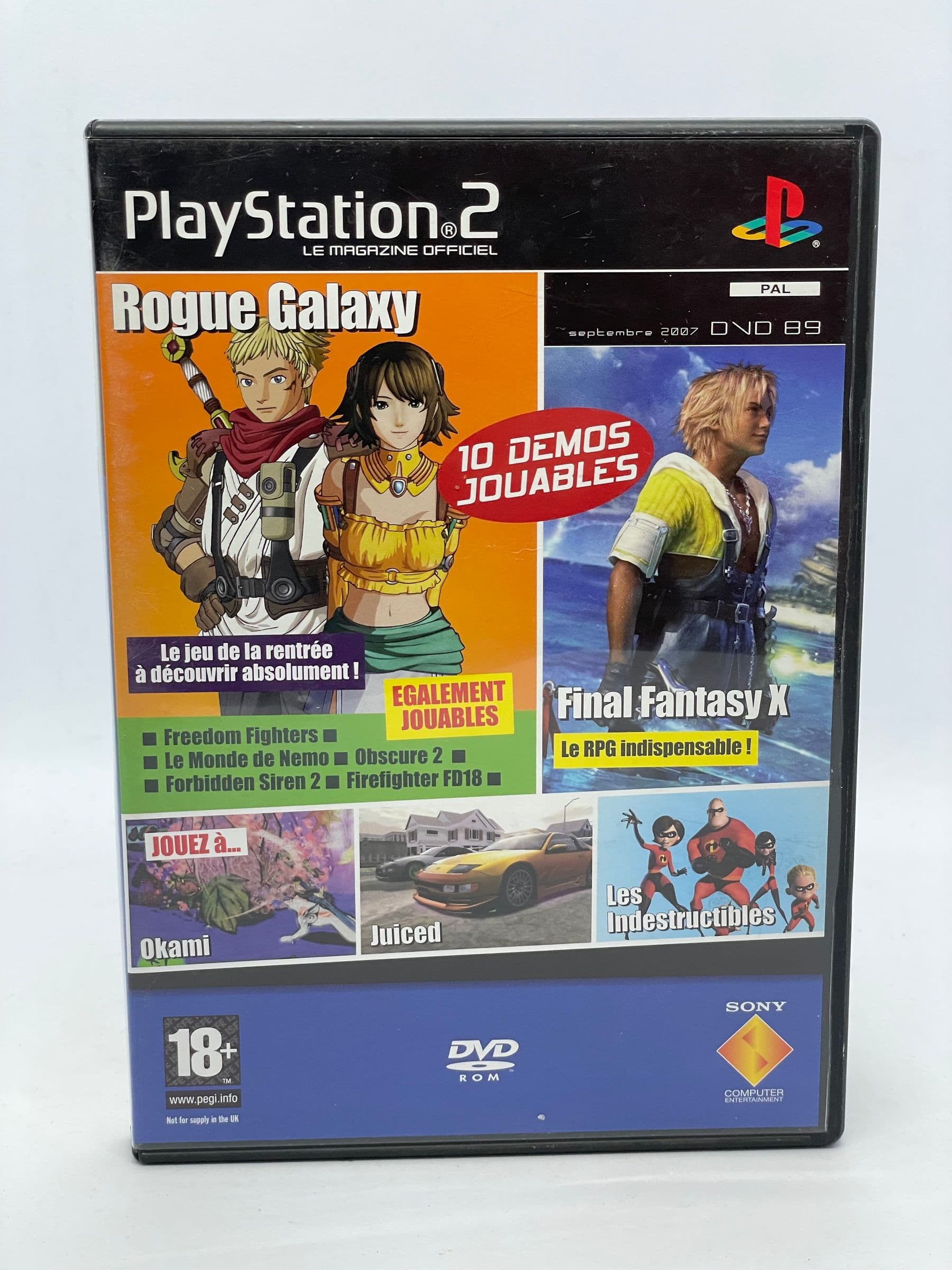
The PlayStation 2 continued Sony's dominance in the genre, delivering massive adventures and arguably some of the best PS2 JRPGs ever made. Standout titles like Persona 3 FES, Persona 4, , and defined this generation. Thankfully, as the console matured, the PAL market finally began seeing 60Hz selectors built into the software. However, many early EU releases, including the original release of Final Fantasy X, still forced a sluggish 50Hz mode with heavy letterboxing.
Shop the gear from this story
Hand-matched to what you’re reading — tested, and covered by our warranty.
PS4 and PS5 JRPGs: Modern Masterpieces and Cross-Gen Prints
The modern era of PlayStation has seen a massive resurgence in the genre. Blockbusters like Persona 5 Royal, Final Fantasy VII Remake, and Yakuza: Like a Dragon dominate the landscape, pushing cinematic storytelling to new heights. The globalised nature of modern gaming means PAL players no longer suffer from delayed release dates or 50Hz slowdowns.
When purchasing physical copies spanning the PS4 and PS5 generations, collectors must pay close attention to upgrade paths. Always check whether a PS4 disc offers a free native PS5 digital upgrade, or if a separate, distinct physical PS5 print exists. In many cases, the PS5 native disc is preferred for preservation, as it contains the higher-resolution assets directly on the disc without requiring a massive digital download. Additionally, PS4 JRPG imports remain popular for niche titles that only received physical releases in Asia, often retaining full English subtitle options.
Many modern titles receive limited physical print runs through boutique publishers, making pre-ordering essential to avoid severe aftermarket markups on these specific releases. Finally, always check if a complete-in-box modern game is supposed to include DLC vouchers. In the second-hand market, these codes are almost always expired or previously redeemed, which may affect the overall value of a premium edition.
Spotting Fake Copies of the Best PlayStation JRPGs
As the value of the best PlayStation JRPGs continues to climb, counterfeit copies have become a genuine concern for collectors. Authentic PS1 discs feature a distinctive black dye on the read surface. This dark polycarbonate plastic was a proprietary Sony anti-piracy measure and is incredibly difficult for counterfeiters to replicate using standard CD-R media. If a PS1 disc has a silver or light blue underside, it is a copied disc.
While fake Vita cartridges do not currently exist due to their complex proprietary format, reproduction cover art and manuals are rampant across all PlayStation generations. Dishonest sellers often print scanned artwork to replace water-damaged or missing covers, passing them off as original. Inspect the print resolution on all paper inserts closely. Reproductions often look slightly blurry, feature washed-out colours, or lack the correct glossy finish of official Sony printing.
To verify authenticity, always check the disc's inner plastic ring. Authentic PlayStation discs feature a matrix barcode etched into the centre ring, alongside official PlayStation logo holograms. If these manufacturing stamps are missing, or if the printed label on the top of the disc looks slightly off-centre, you are likely looking at a reproduction.